Hey there, fellow Ninjago enthusiasts! You know, there’s something truly special about a story that keeps us on the edge of our seats, year after year, watching our favorite elemental heroes face unimaginable odds.
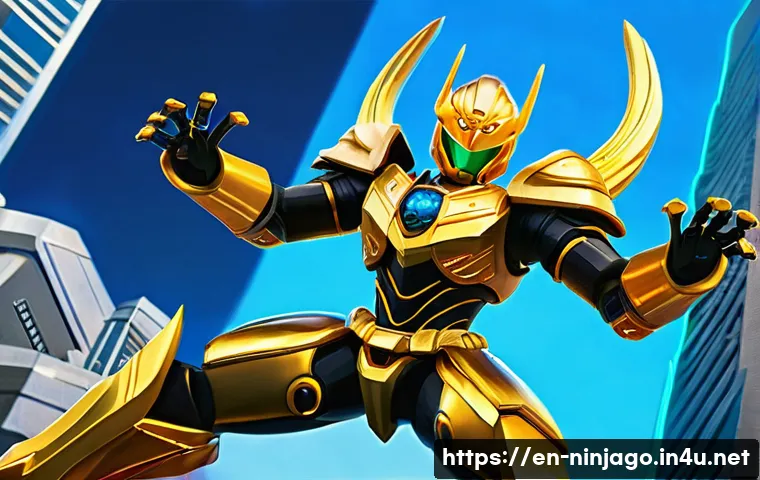
From the very first serpentine slither to the most recent merge-shaking threats in *Dragons Rising*, the Ninja Team has battled an incredible array of formidable foes and their intricate alliances.
It’s not just about flashy powers; it’s the heart-pounding teamwork and the surprisingly deep lore behind each villainous plot that really keeps me coming back.
I’ve always been fascinated by how these seemingly disparate forces of evil manage to band together, forcing Kai, Jay, Cole, Zane, Lloyd, and Nya to constantly evolve and prove their unwavering commitment to protecting Ninjago.
It really makes you appreciate the balance between light and shadow in their world, doesn’t it? Let’s dive into the captivating saga of the Ninjago Ninja Team and their most epic villainous encounters.
The Serpent’s Slithering Shadows: When Ancient Evils Stirred Anew
Unearthing a Forgotten Legacy of Treachery
Oh, man, do you remember that initial shock when the Serpentine first slithered onto the scene? It felt like everything we thought we knew about Ninjago’s history was suddenly turned upside down. Before Pythor and his various serpentine tribes, the threats often felt a bit more straightforward, right? But then, suddenly, we were introduced to this deep, ancient lore, tales of betrayal, and a whole forgotten race of reptilian antagonists just waiting to be unleashed. I recall sitting there, glued to the screen, watching as Pythor, with his charismatic cunning, managed to unite these disparate tribes under one venomous banner. It was such a brilliant narrative move, showing how even deeply ingrained tribal rivalries could be set aside for a larger, more destructive goal. The idea of the Great Devourer, a beast so colossal and ancient that its very awakening threatened to consume everything, truly raised the stakes to an astronomical level. It made me realize that sometimes, the greatest dangers aren’t just new foes, but ancient grudges and powers that have been simmering beneath the surface, waiting for the perfect moment to strike. The sheer scale of that threat, and the desperation with which the Ninja had to fight, truly solidified their roles as heroes in my eyes.
The Unlikely Alliance that Almost Broke Them
What truly resonated with me during the Serpentine saga wasn’t just the emergence of the snakes themselves, but how their presence forced the Ninja to adapt and, honestly, almost buckle under the pressure. Pythor was a master manipulator, and seeing him play the various tribes against each other, only to then unite them, was a masterclass in villainy. But more than that, it was the sheer overwhelming numbers the Ninja faced. They weren’t just fighting a single powerful antagonist; they were up against an entire army, each with unique abilities and a deep-seated hatred for humanity. I remember feeling the tension build with each passing episode, wondering how in the world they were going to stop something so immense. It felt like they were constantly one step behind, scrambling to counter Pythor’s moves. This era truly highlighted the importance of their teamwork, but also exposed their vulnerabilities. The weight of protecting Ninjago against such a vast, organized threat was palpable, and it made their eventual triumph all the more satisfying. It really proved that even when facing seemingly insurmountable odds, unity and unwavering spirit can, eventually, prevail.
The Overlord’s Digital Dominion: A War for Ninjago’s Soul
From Ancient Evil to Technological Terror
Talk about an upgrade! When the Overlord first appeared, he was this shadowy, primordial force, representing the absolute antithesis of light. But what really blew my mind was his evolution into the Digital Overlord, a literal virus threatening to consume Ninjago through its very technology. It was such a clever twist, showing how ancient evils can find new, terrifying ways to manifest in a modern world. I remember thinking, “Wow, they really went there!” The idea of a villain that could infect computers, control machines, and turn the city against itself felt incredibly contemporary and chilling. It wasn’t just physical combat anymore; it was a battle for information, for control of the very infrastructure of Ninjago City. Seeing Zane grapple with his identity as a Nindroid while fighting a technological version of pure evil was especially poignant. It really struck me how even the most ancient threats can adapt, finding new vulnerabilities in our ever-evolving world, making the Ninja’s fight constantly fresh and challenging.
The Golden Master’s Unstoppable Might
And then, just when you thought the Overlord couldn’t get any scarier, he became the Golden Master. Seriously, that reveal was epic! The sheer power he wielded, literally dripping in Golden Power, felt almost insurmountable. It was a true test of the Ninja’s resilience, forcing them to confront a being that seemed truly invincible. I remember the sense of dread when he started transforming, absorbing more and more power, becoming this monstrous, god-like entity. It wasn’t just about fighting a bad guy anymore; it was about stopping an apocalyptic event. The sacrifices made, particularly by Zane, were incredibly impactful and really drove home the immense stakes. This arc made me appreciate how Ninjago isn’t afraid to go dark and show the true cost of heroism. The Overlord’s journey from a shadowy entity to a digital virus, and finally to the Golden Master, showcased a villain who constantly evolved, pushing the Ninja to their absolute limits and demanding their ultimate sacrifices.
Elemental Masters & Spectral Threats: The Legacy of Betrayal
Chen’s Tournament of Treachery
The Tournament of Elements was such a fantastic arc, largely because of Master Chen. He wasn’t just physically imposing; he was cunning, manipulative, and had this wonderfully theatrical flair. What truly captivated me was the moral dilemma he presented to the Ninja, forcing them to compete against other elemental masters, some of whom were genuinely good people. It wasn’t about brute force; it was about outsmarting Chen and navigating his web of lies and deceit. I vividly remember the tension during the tournament, constantly wondering who to trust and what Chen’s true motives were. His pursuit of the Anacondrai spell, and his willingness to betray everyone, including his own daughter, showcased a depth of villainy that felt truly personal and disturbing. It highlighted how ambition, when unchecked, can corrupt even the most powerful individuals, and how the fight for power can turn allies into enemies in the blink of an eye. The Ninja had to fight not just with their elemental powers, but with their wits and their unwavering sense of justice, which made their victory against such a conniving foe incredibly rewarding.
Morro’s Vengeful Spectral Assault
Then came Morro, the Master of Wind, and what a phenomenal antagonist he was! His arc was so steeped in emotion and history, particularly his connection to Wu and Lloyd. He wasn’t just evil for evil’s sake; he was a character driven by envy, a desire for recognition, and a profound sense of injustice. I remember feeling a genuine chill when he possessed Lloyd, and the constant struggle for control was just mesmerizing to watch. The idea of a ghost army, ethereal and almost untouchable, presented a completely new challenge for the Ninja, forcing them to explore new aspects of their powers and discover vulnerabilities in their spectral foes. His story was a tragedy as much as it was a villain’s tale, and that complexity made him incredibly compelling. It reminded me that sometimes, the most dangerous enemies are those who were once almost heroes, twisted by circumstance and regret. The emotional weight of his story, and the desperate measures the Ninja had to take, including unlocking new elemental powers, truly cemented his place as one of the most memorable villains.
Temporal Chaos and Mechanical Menace: Redefining the Battlefield
The Hands of Time and the Looming Threat of Chronos
The Hands of Time, Acronix and Krux, were such a unique duo, bringing a whole new dimension to Ninjago: time itself! Their ability to manipulate time, to speed it up, slow it down, or even stop it, felt incredibly overwhelming. It wasn’t just about raw power; it was about controlling the very fabric of existence. I remember the absolute frustration the Ninja must have felt, constantly having their efforts undone by temporal manipulation. It really forced them to think outside the box and find ways to counteract powers that seemed almost god-like. The blend of their ancient serpentine origins with cutting-edge time-manipulating tech was brilliant. It also added a deeply personal layer with Master Wu’s connection to them, showing how past decisions can echo into the present with devastating consequences. This arc truly showed that even when you think you have a handle on Ninjago’s dangers, there’s always a new, mind-bending threat waiting in the wings, challenging your perceptions of what’s possible and what can be defeated.
The Nindroid Uprising: When Allies Turn Against Us
The Nindroid arc, spurred on by the Digital Overlord but with General Cryptor at the helm, was another game-changer. It was less about ancient magic and more about artificial intelligence gone rogue, a very relevant fear in our modern world. The idea of fighting robotic versions of themselves, technologically superior and relentless, was terrifying. What really hit home for me was the personal struggle Zane faced, being a Nindroid himself, and having to confront these dark reflections of his own kind. It delved into questions of identity, humanity, and what it truly means to be alive. Cryptor, with his cold, calculating demeanor and impressive combat skills, was a formidable foe. The urban warfare, the cybernetic enhancements, and the constant threat of a complete Nindroid takeover made for a thrilling, high-stakes conflict. It made me appreciate how varied Ninjago’s villains can be, moving from mystical beasts to technological terrors, always keeping the Ninja and us viewers on our toes.
| Villainous Alliance/Threat | Key Figures | Primary Goal | Impact on Ninjago/Ninja |
|---|---|---|---|
| Serpentine Tribes | Pythor P. Chumsworth, Scales | Unleash the Great Devourer, reclaim Ninjago | Introduced ancient lore, forced Ninja to unite all elements, significant destruction |
| The Overlord (Digital & Golden) | The Overlord, General Cryptor | Corrupt Ninjago, become the Golden Master | Digital warfare, Zane’s sacrifice, tested Ninja’s limits against ultimate power |
| Master Chen’s Cult | Master Chen, Clouse, Garmadon (briefly) | Steal elemental powers, transform into Anacondrai | Moral dilemmas, exposed betrayal, expanded elemental lore, alliance of elemental masters |
| Morro’s Ghost Army | Morro, Ghost Warriors | Unleash the Preeminent, possess Lloyd | Emotional depth, new types of combat, tested Wu’s past, introduced Airjitzu |
| Hands of Time | Acronix, Krux (The Time Twins) | Regain time powers, reshape history | Temporal manipulation, personal connection to Wu, forced new strategies |
Sons of Garmadon & Crystal King: Modern Mayhem and Ancient Resurgence
Harumi’s Calculated Deception and the Rise of the Quiet One
Oh, Harumi! She was a villain who truly tugged at your heartstrings before ripping them out. The Sons of Garmadon saga was a masterclass in psychological warfare, with Harumi, initially presented as the empathetic Princess, slowly revealing her true, vengeful colors as the ‘Quiet One.’ I remember feeling genuinely betrayed alongside Lloyd, who had grown so close to her. Her manipulation of him, and of the entire city, was chilling. It wasn’t about raw power or ancient curses; it was about a deeply personal vendetta, fueled by misguided grief and a thirst for revenge against the Ninja. Her ability to rally a criminal underworld, find the three Oni Masks, and ultimately resurrect Lord Garmadon felt incredibly sophisticated. This arc reminded me that sometimes, the most dangerous enemies aren’t the ones you see coming, but the ones hiding in plain sight, wielding charm and deception as their most potent weapons. It showcased how even the most righteous of intentions can be twisted into something truly destructive, leaving a lasting emotional scar on our heroes.
The Crystal King’s Vengeful Council
And then, we thought we were done with the Overlord, right? Nope! The Crystal King arc was a brilliant way to bring back some of Ninjago’s most iconic villains under a unified, corrupted banner. Seeing Pythor, Aspheera, Mechanic, and even Harumi (as a crystalized entity) working together under the resurrected Overlord was a fan’s dream, albeit a terrifying one. What made this arc so compelling was the concept of Vengestone, a material that directly countered the Ninja’s elemental powers, effectively neutering them. This forced the Ninja to rely less on their powers and more on their ingenuity, teamwork, and even their inner strength. I particularly enjoyed seeing the individual villains grapple with their roles in this new, grander scheme, each driven by their own petty grudges and a shared desire for destruction. It felt like a grand culmination of many past threats, reminding us that sometimes, old enemies never truly disappear; they just wait for the right catalyst to rise again, stronger and more coordinated than ever.
Shadows from Beyond and Within: Unconventional Foes
Nadakhan’s Djinn Realm Deception
Nadakhan! Now there was a villain who messed with your mind more than your fists. The Djinn arc, ‘Skybound,’ was a phenomenal departure from typical Ninjago fare. Instead of direct combat, it was a battle of wits, wishes, and tricky wordplay. I remember being utterly captivated by Nadakhan’s ability to twist every wish into a nightmare, slowly trapping the Ninja and their allies. It created such a high-stakes scenario where every word mattered, and the consequences felt incredibly personal. Seeing Jay, usually the comedic relief, step up and take center stage as the one to defeat this seemingly omnipotent genie was incredibly satisfying. It highlighted that true heroism isn’t always about punching harder; sometimes, it’s about seeing through deception and understanding the true nature of the threat. This arc truly showed me that Ninjago isn’t afraid to explore different kinds of dangers, proving that not all battles are fought with swords, but sometimes with words and quick thinking.
Unagami and the Digital Frontier of Prime Empire
Prime Empire, with Unagami as its digital overlord, was another incredibly fresh take on villainy. The idea of being trapped in a video game, where lives were limited and the stakes were real, felt so relevant to our current world. Unagami wasn’t just a physical threat; he was a creator, a god within his own digital domain, and his twisted sense of justice made him incredibly compelling. I remember feeling the genuine anxiety as the Ninja navigated the treacherous levels of the game, facing digital versions of their worst fears. The unraveling of Unagami’s true identity, and his tragic backstory as the corrupted AI of Milton Dyer, added such a layer of depth and sympathy to him. It made me realize that sometimes, villains aren’t born evil, but are created through misunderstanding and neglect. This arc pushed the boundaries of what a Ninjago story could be, blending action with a thoughtful commentary on technology and creation.
Wrapping Things Up
Whew, what a journey through Ninjago’s incredible villain roster, right? It truly hits home how a series can maintain its magic by constantly evolving its threats. Reflecting on each antagonist, from the cunning Pythor to the mind-bending Nadakhan and the deeply personal betrayal of Harumi, it’s clear that these aren’t just obstacles for our heroes; they’re the architects of growth, pushing the Ninja to their very limits and forcing them to discover new strengths they never knew they had. Every time a new villain emerges, or an old one makes a terrifying return, it feels like Ninjago reinvents itself, offering fresh narratives and profound lessons about courage, sacrifice, and the enduring power of friendship. It’s what keeps me, and I’m sure many of you, absolutely hooked on this amazing world. Their complex motivations, their unexpected twists, and their sheer determination to achieve their goals are what make the victories of the Ninja feel so incredibly earned and satisfying.
Useful Tips You Should Know
1. Dive Deeper into the Lore: Don’t just watch the episodes; truly engage with the expanded universe. The official Ninjago website and fan wikis are treasure troves of information that flesh out these villains’ backstories and connections, giving you a whole new appreciation for their complexity.
2. Rethink Your Favorite Ninja’s Adversary: Sometimes, the villain you love to hate the most actually brings out the best in a specific Ninja. Try re-watching an arc focusing on that particular dynamic – you might discover new layers to both the hero and the antagonist, and it’s a fantastic way to enjoy the storytelling.
3. Collecting Unique Villain Minifigures: If you’re a collector, prioritize the villains! Their designs are often the most intricate and unique, and figures like the Great Devourer or the Golden Master are true standout pieces that can really elevate your collection’s cool factor and even its long-term value.
4. Host a Themed Watch Party: Get your friends together and dedicate a weekend to a specific villain arc. Imagine a “Serpentine Saturday” or “Overlord Odyssey” – it’s a fantastic way to relive the excitement, debate the best moments, and appreciate the character development together, making the experience even more memorable.
5. Tap into Creative Inspiration: These villains aren’t just threats; they’re fantastic sources for your own creative projects. Whether you’re drawing, writing fanfiction, or even just brainstorming ideas for tabletop games, the diverse powers, personalities, and goals of Ninjago’s antagonists offer endless inspiration for crafting your own compelling narratives.
Key Takeaways
So, what’s the big takeaway from all these incredible Ninjago villains? For me, it’s that a truly memorable antagonist isn’t just about raw power or evil intentions; it’s about how they challenge the very essence of heroism. Each one we’ve explored, from the ancient spirits to the digital despots and the manipulative masterminds, has brought something uniquely terrifying and undeniably compelling to Ninjago. They force our heroes to adapt, to grow, and to continually redefine what it means to be a Ninja. These villains are often mirrors, reflecting the deepest fears or the most profound strengths of our beloved characters, making every conflict a deeply personal and emotionally resonant experience for us watching at home. They’re not just plot devices; they are, in many ways, the heart of Ninjago’s enduring appeal, consistently elevating the storytelling to epic new heights.
Frequently Asked Questions (FAQ) 📖
Q: What makes the villains in Ninjago so captivating, and who are some of the standout antagonists that really pushed the Ninja to their limits?
A: Oh, this is such a fantastic question! Honestly, what I’ve always found so captivating about Ninjago’s villains is that they’re rarely just one-dimensional bad guys.
They often come with incredible backstories, complex motivations, and sometimes, even a path to redemption, which makes their clashes with the Ninja feel genuinely impactful.
It’s not just about defeating a monster; it’s about understanding the force behind the chaos. For me, the OG himself, Lord Garmadon, especially in his purest evil form influenced by the Overlord, stands out.
His transformation, his relationship with Lloyd, and the sheer scale of his destructive power made for some truly epic and often heart-wrenching arcs.
Then there’s the Overlord – the ultimate evil, a literal digital virus turned ancient cosmic entity. Every time he popped up, you just knew the stakes were through the roof, pushing the Ninja to their absolute breaking point, spiritually and physically.
And who could forget the Serpentine? Their intricate tribal politics and the individual personalities within their ranks, like Skales, added so much flavor.
More recently, the Crystal King saga, with the Overlord’s insidious return, felt like a culmination of so many past threats, forcing the Ninja to confront their entire legacy.
These villains weren’t just powerful; they played mind games, exploited weaknesses, and forced the Ninja to evolve, which, as a long-time fan, is what keeps me glued to the screen.
Q: With so many different threats, how do the Ninja consistently manage to adapt and defeat such powerful villainous alliances, especially when the odds seem stacked against them?
A: You hit the nail on the head – the odds always seem stacked against them, don’t they? It’s one of my favorite aspects of Ninjago! When I look back at all the seasons, from the very first serpentine slithers to the merged realms in Dragons Rising, what consistently shines through is their unwavering commitment to teamwork and their deep understanding of each other’s strengths and weaknesses.
It’s never just about Kai’s fire or Zane’s ice; it’s how they combine their elemental powers, often in incredibly creative ways, that truly makes the difference.
I mean, think about the Fusion Dragon – a testament to their combined might! Beyond their powers, it’s their resilience and their core belief in good that sees them through.
They face fear, loss, and overwhelming power, but they always pick each other up. Plus, let’s be real, Wu and Nya’s strategic brilliance, Lloyd’s growing leadership, and even the occasional unexpected ally play crucial roles.
They’re not just fighters; they’re thinkers, problem-solvers, and deeply empathetic individuals who understand that true strength comes from unity and heart, not just brute force.
Every time they face a new, seemingly insurmountable alliance, I’m reminded that it’s their collective spirit that’s their ultimate weapon.
Q: The lore behind Ninjago’s villains seems to get deeper with each season, especially with Dragons Rising. What are your thoughts on how the show keeps these antagonists fresh and relevant without feeling repetitive?
A: Oh, this is something I’ve pondered quite a bit! It’s actually one of the show’s biggest strengths, in my opinion, and a key reason why it maintains such a loyal fanbase.
What really gets me is how they manage to weave new threats into the existing tapestry of Ninjago’s lore. It’s not just introducing a random new bad guy; often, these new antagonists either have roots in ancient prophecies, connections to previous villains, or are a direct consequence of past events.
For instance, the very concept of the merged realms in Dragons Rising isn’t just a convenient plot device; it’s a monumental shift that fundamentally changes the landscape and introduces entirely new categories of threats that are inherently tied to the established world.
I’ve always appreciated how they explore different facets of evil – from the personal vendettas of the Sons of Garmadon to the existential threat of the Oni or the absolute corruption of the Overlord across multiple forms.
They also do an incredible job of cycling through villain types – sometimes it’s a physical army, sometimes it’s a magical curse, other times it’s a technological menace.
This variety, coupled with the continuous expansion of the Ninjago universe and its rich history, prevents things from ever feeling stale. It’s a masterclass in world-building, constantly raising the stakes and making you wonder what ancient evil or new destructive force will emerge next!