It’s truly wild how a simple toy can spark such incredible creativity, isn’t it? As someone who’s spent countless hours admiring the intricate details of character design, especially in iconic franchises, I’ve always been fascinated by the sheer artistry that goes into making our favorite heroes look so cool.
Take the LEGO Ninjago ninja outfits, for instance. They aren’t just random pieces of plastic; each suit tells a story, evolves with the narrative, and frankly, makes us want to jump right into the action ourselves.
It’s more than just a costume; it’s a carefully crafted element of identity that resonates with fans worldwide. I’ve often found myself wondering about the journey from a concept sketch to the final, vibrant minifigure suit we hold in our hands.
How do designers balance tradition with innovation, especially when a franchise like Ninjago has such a rich history and a passionate fan base that scrutinizes every new detail?
There’s a subtle art to creating something new while retaining that beloved core aesthetic, a challenge that requires immense talent and an understanding of what truly connects with the audience.
As toy design continues to lean heavily into personalization and intricate storytelling, the process behind these iconic outfits has only become more fascinating, blending classic elements with fresh, trend-savvy touches.
It’s a creative tightrope walk, ensuring each iteration of the ninja’s attire feels fresh and exciting, yet instantly recognizable. Every stitch, every color choice, and every unique accessory is a deliberate decision, aimed at deepening our connection to these beloved heroes and their ever-evolving world.
From the initial trainee robes to the highly specialized suits for different seasons and missions, their attire reflects their journey and growth, often influenced by powerful in-universe events or new elemental abilities.
This continuous evolution in design also speaks to the broader trends in character media, where fan engagement and the desire for unique, collectible items drive innovation.
It’s truly a masterclass in how visual storytelling enhances a brand, creating lasting emotional bonds with the audience. If you’re as curious as I am about the creative magic behind these unforgettable looks, then you’ve come to the right place.
Let’s dive into the fascinating world of Ninjago ninja outfit design, revealing all the secrets and insights you’ve been waiting for!
The Evolution of Elemental Threads: From Trainee to Master
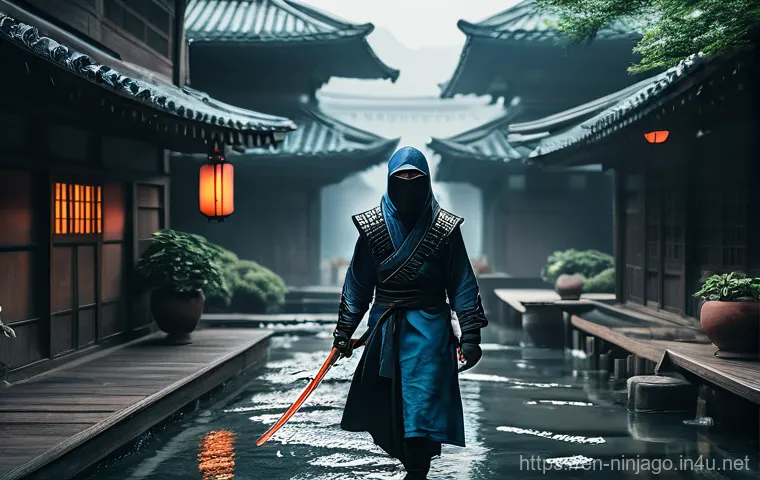
It’s truly incredible to look back and see how far our favorite Ninjago heroes have come, isn’t it? I’ve been following their journey for years, and what always strikes me is how their outfits aren’t just static costumes; they’re living, breathing reflections of their growth.
Think about it – we first met them in those simpler, more humble trainee robes, a beautiful blend of traditional ninja attire that whispered promises of potential.
I remember when Kai first donned that fiery red, and you could just *feel* the raw energy, the untapped power waiting to burst forth. Each subsequent design, from the intricate patterns of their elemental suits to the more specialized gear for particular seasons, tells a story of trials overcome, new powers mastered, and a deeper understanding of their destiny.
It’s like watching a friend mature; you see the subtle changes, the added details that signify new responsibilities or newfound strengths. This isn’t just about looking cool; it’s about visual storytelling at its finest, making us feel every step of their adventurous path right alongside them.
I’ve often paused just to admire how a new shoulder pad or a specific metallic accent completely changes the silhouette and implies a readiness for a fresh challenge.
It’s a testament to the designers’ keen eye for character development.
Starting from Scratch: The Humble Beginnings
When the Ninjago team first appeared, their outfits were classic, functional, and instantly recognizable. Those initial designs, often in distinct primary colors with minimal adornments, were perfect for introducing us to the core personalities of Kai, Jay, Cole, Zane, and later, Lloyd and Nya.
I personally loved the simplicity because it allowed their individual personalities to shine through even more. It was all about the foundational elements – the distinct colors, the basic ninja gi, and a sense of shared purpose.
These early suits felt like a clean slate, ready for all the adventures that lay ahead. They evoked a sense of tradition and the timeless appeal of martial arts heroes, setting the stage perfectly for the epic saga that was to unfold.
It’s a nostalgic feeling to look back at those first minifigures and remember the excitement of collecting them, knowing this was just the beginning.
Mastering the Elements: Suits of Power
As the series progressed and the ninja faced increasingly formidable foes, their attire evolved dramatically. We saw the introduction of more complex patterns, specialized armor pieces, and even technological enhancements.
These “suits of power” weren’t just for show; they visually reinforced the ninja’s growing mastery over their elemental abilities. I always found it thrilling to see how a new suit design would subtly hint at a new power-up or a specific mission.
For instance, the intricate golden weaves or the subtle energy patterns on some of their later suits really conveyed their ascension to true elemental masters.
It wasn’t just aesthetic; it was an extension of their very being, a visible manifestation of their unbreakable spirit and incredible strength. These are the suits that really make you want to grab the minifigure and re-enact your favorite epic battles, aren’t they?
Unmasking the Details: The Symbolism Woven Into Every Stitch
What really blows me away about Ninjago outfits is the incredible depth of symbolism tucked into every design choice. It’s not just about picking cool colors or sharp lines; every single element feels deliberate, telling a deeper story about the ninja wearing it.
I’ve spent countless hours poring over the details of my minifigures, noticing how a specific emblem or a subtle pattern reflects a character’s journey or their elemental power.
For example, Kai’s suits often feature fiery motifs that aren’t just red; they literally *crackle* with the intensity of his passion and sometimes his impulsiveness.
It’s like the designers are speaking a secret language through fabric and plastic, and as a fan, decoding it adds another layer of enjoyment to the whole experience.
This attention to detail is what transforms a simple toy into a piece of art that resonates on a much deeper level. It feels like the creators genuinely understand these characters and want us to feel that connection too.
Color Psychology in Ninjago
The use of color in Ninjago is absolutely brilliant and probably one of the most powerful symbolic tools in their design arsenal. Each ninja is defined by their primary color, which isn’t just a random choice, but a carefully selected hue that embodies their elemental power and core personality.
Red for Kai’s fire and hot-headed nature, blue for Jay’s lightning-fast wit and energy, black for Cole’s grounded strength, white for Zane’s icy precision and purity, green for Lloyd’s leadership and destiny, and teal for Nya’s flowing water and adaptability.
These colors aren’t static; they shift in intensity, gain metallic accents, or combine with other shades to reflect story developments. It’s more than just aesthetics; it’s a visual shorthand that instantly communicates who these heroes are and what they stand for.
I find myself instinctively recognizing a ninja just by a flash of their signature color, even in a crowded scene.
Cultural Nods and Easter Eggs
One of the most engaging aspects of Ninjago outfit design for me is spotting the subtle cultural nods and even the occasional “Easter egg” that designers weave into the fabric of the ninja suits.
You can often see influences from various East Asian martial arts traditions, not just in the overall silhouette but in the intricate patterns, the way certain sashes are tied, or the inclusion of specific symbols.
These aren’t just generic design elements; they add a layer of authenticity and respect for the rich history of ninja and samurai lore. Sometimes, if you look closely enough, you might even catch a tiny detail that references a past event in the show or a specific character trait, which always brings a knowing smile to my face.
It shows a true dedication to the craft and a deep understanding of their passionate audience, who absolutely love these little discoveries.
Beyond the Battle: How Outfit Design Drives Storytelling
Honestly, the ninja outfits in Ninjago are so much more than just clothes; they’re pivotal narrative devices. I’ve realized over the years that a new suit isn’t just a cool aesthetic upgrade, it often signals a major turning point in the story or a significant character arc.
It’s a visual shorthand that prepares us for what’s to come, sometimes even foreshadowing challenges or new abilities before they’re explicitly mentioned in dialogue.
Think about how a change from lighter, more flexible gear to heavy, armored suits instantly communicates a more dangerous mission ahead, or how a suit imbued with golden power reflects a major boost in their capabilities.
It’s a brilliant way to keep the audience engaged, making us wonder about the story behind the new look. This kind of thoughtful design truly elevates the visual storytelling, turning each minifigure into a tangible piece of the ongoing saga.
It really helps to deepen the emotional investment we have in these characters.
Costumes as Narrative Tools
Every new suit in Ninjago feels like a new chapter being opened. I’ve often found myself connecting a particular outfit to a specific story arc or a major antagonist.
It’s fascinating how the designers use the ninja’s attire to set the mood and tone for an entire season. For instance, the “Deepstone” armor perfectly encapsulated the underwater adventure of the *Hydro Bounty*, while the “Prime Empire” digital suits clearly set the stage for their virtual reality challenge.
These aren’t just costumes; they’re visual markers that help us track the ninja’s progress, their challenges, and their victories. It’s a subtle yet incredibly effective way to enhance the narrative without needing endless exposition.
The designers are essentially telling part of the story through threads and plastic, and I think that’s just masterful.
Reflecting Character Arcs Through Attire
What truly resonates with me is how the outfits mirror the personal journeys and growth of each ninja. When Kai, the hothead, gets a more refined, less overtly aggressive suit, it often signifies his personal maturity and newfound discipline.
Similarly, when Zane, the Nindroid, dons an outfit that looks more battle-worn or integrated with advanced technology, it reflects his internal struggles with his identity or his upgraded capabilities.
These changes aren’t random; they’re deeply tied to the emotional and psychological development of the characters. It allows us to track their evolution visually, making their growth feel more tangible.
I love seeing how Nya’s journey from a supporting character to a full-fledged Water Ninja is so clearly marked by the increasing prominence and power of her suit designs, culminating in her incredible Elemental Master form.
The Art of the Collectible: Why Fans Obsess Over Every New Look
Oh, if you’re anything like me, you know the absolute thrill of seeing a new Ninjago set unveiled, especially when it features fresh ninja outfits! It’s more than just adding another minifigure to the collection; it’s about acquiring a piece of the evolving Ninjago universe.
I’ve always been drawn to the sheer artistry and attention to detail that goes into each new iteration, and frankly, I *obsess* over them. The designers clearly understand the collector’s mindset, knowing that we scrutinize every new pattern, every unique accessory, and every subtle color variation.
This constant innovation keeps the franchise feeling fresh and exciting, encouraging us to dive back in season after season, eager to see what visual treats await.
It creates a vibrant community around the shared passion for these incredible designs.
The Thrill of the New Release
There’s something truly magical about the anticipation leading up to a new Ninjago wave release. I always keep an eye out for leaks or official reveals, eagerly dissecting every pixel of a new minifigure image.
Will Kai have new armor? What unique weapon will Jay be sporting this time? It’s like a mini-Christmas every time.
That moment when you finally get your hands on a new set and pop out the minifigures, examining every tiny detail – that’s pure joy for a collector. It’s a testament to how well LEGO and the Ninjago team understand their audience, consistently delivering fresh takes on beloved characters that feel both familiar and excitingly new.
Building Your Minifigure Army
For many fans, including myself, collecting isn’t just about owning a few key figures; it’s about building an entire display, a physical representation of the Ninjago world.
I love arranging my ninja minifigures, showcasing the various eras and suit designs side-by-side. It’s like having a little museum of their history right on my shelf.
Seeing the progression from their first simple gis to their most intricate, armored forms is incredibly satisfying. Each new outfit adds another dimension to the collection, making it richer and more diverse.
It truly feels like building an army, ready for any adventure you can imagine.
From Sketchpad to Minifigure: The Designer’s Journey
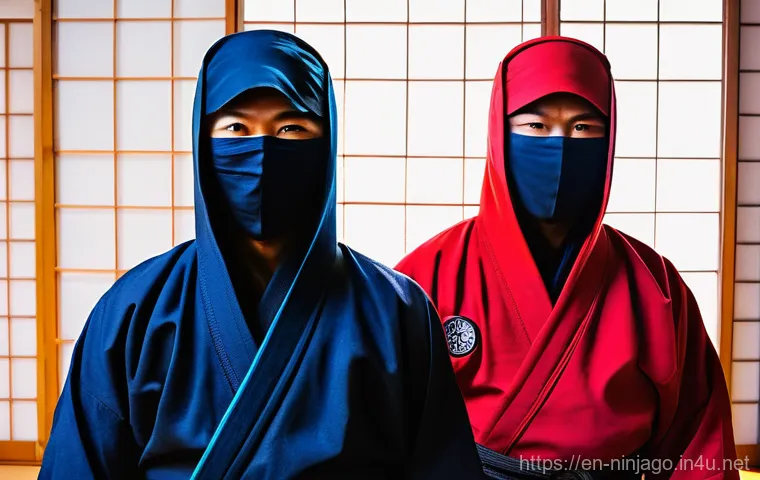
It’s truly a fascinating thought, isn’t it, imagining the journey from a designer’s initial spark of an idea to the vibrant minifigure suit we hold in our hands?
I often picture a team of incredibly talented artists huddled over sketchpads, brainstorming how to make Kai’s next fire suit even more dynamic or how to give Zane’s ice armor a fresh, futuristic twist.
It’s not just about drawing a cool picture; there’s so much careful consideration that goes into balancing the rich history of Ninjago with the need for fresh, innovative designs.
They have to think about how the colors will pop, how the patterns will translate onto such a tiny canvas, and crucially, how it will look and feel when a child is playing with it.
It’s a dance between creativity, practicality, and staying true to the beloved characters. I can only imagine the pressure to get it just right, especially with such a passionate fanbase scrutinizing every detail!
Balancing Tradition and Innovation
One of the biggest challenges I imagine the designers face is finding that sweet spot between honoring the established look of the ninja and bringing something genuinely new to the table.
We love the classic elements of their gis, the distinctive colors, and the core silhouettes, but we also crave innovation. How do you make Kai’s fire suit feel fresh for the tenth time without losing that essential “Kai-ness”?
It’s a tightrope walk. They often introduce subtle new patterns, unique armor pieces, or even a slight shift in color palette to achieve this. It’s about building upon what’s come before, adding layers of detail and story without ever fully abandoning the core identity.
I think they do an exceptional job of making each iteration feel both nostalgic and excitingly new.
The LEGO Design Philosophy
There’s a unique philosophy that underpins all LEGO design, and it’s particularly evident in the Ninjago outfits. It’s not just about aesthetics; it’s about playability, interchangeability, and encouraging creativity.
The designers have to ensure that while the suits look amazing, they also work seamlessly with the existing LEGO system. This means considering how a minifigure’s head, torso, and legs can be swapped, how accessories fit, and how the overall design contributes to the building and play experience.
It’s a holistic approach that ensures every element, from the tiniest detail on a gi to the largest piece of armor, enhances the imaginative play that LEGO is famous for.
That’s a huge part of why these figures are so enduringly popular.
The Alchemy of Color: More Than Just a Pretty Hue
When I look at the Ninjago ninja, their colors instantly grab me. But it’s so much deeper than just a “pretty hue.” The color choices are an absolute masterclass in visual communication, acting as an emotional and elemental anchor for each character.
They’re not just arbitrary decisions; they tell us so much about who these ninja are at their core and how their powers manifest. I’ve often thought about how brilliantly a simple color can convey so much personality and potential, almost like an unspoken oath each ninja carries.
This is where the magic truly happens, blending aesthetics with meaningful identity.
| Ninja | Primary Color | Elemental Power | Key Design Features & Symbolism |
|---|---|---|---|
| Kai | Red | Fire | Fiery patterns, sometimes with dragon motifs. Represents passion, courage, and sometimes impulsiveness. His suits often have a dynamic, aggressive edge, reflecting his hot-headed nature and leadership. |
| Jay | Blue | Lightning | Electric bolts, circuit-like patterns. Symbolizes wit, speed, and nervous energy. His outfits often feel streamlined and agile, hinting at his quick movements and knack for inventive solutions. |
| Cole | Black / Grey | Earth | Stone textures, rugged armor, often with golden accents representing durability. Embodies strength, reliability, and a grounded nature. His suits convey a sense of unyielding power and resilience. |
| Zane | White / Light Blue | Ice | Snowflake motifs, crystalline textures. Reflects precision, calm, and his Nindroid nature. His attire often has a sleek, technological, yet elegant look, highlighting his advanced capabilities and inner peace. |
| Lloyd | Green | Energy | Golden accents, swirling energy patterns, occasionally dragon iconography. Signifies destiny, leadership, and balance. His suits often feel regal and powerful, marking him as the chosen leader and the focal point of the team. |
| Nya | Teal / Blue | Water | Wave patterns, aquatic elements. Represents adaptability, resilience, and flow. Her designs often have a graceful yet determined feel, evolving from her Samurai X days to her full embrace of her elemental powers. |
Kai’s Fiery Red: A Testament to Passion
You can’t talk about Ninjago colors without immediately thinking of Kai and his vibrant red. It’s just *him*. That fiery hue perfectly encapsulates his passionate, sometimes fiery, personality and his undeniable connection to the element of fire.
I’ve noticed how even subtle variations in his red—from a bright, almost orange-red to a deeper, more intense crimson—reflect his emotional state or the gravity of the challenge he’s facing.
It’s a color that speaks volumes, conveying both his courage and his occasional impulsiveness. It’s a constant reminder of the raw power and drive that makes Kai such an unforgettable character.
Jay’s Electric Blue: Sparking Innovation
And then there’s Jay, with his distinctive electric blue. It’s such a perfect match for his lightning powers and his quick-witted, often zany, personality.
That shade of blue just crackles with energy and innovation, mirroring his knack for inventive solutions and his sometimes-nervous energy. His suits often incorporate jagged lines or subtle circuit board patterns, which I absolutely adore because they visually represent the dynamic, unpredictable nature of electricity.
It’s a color that makes you feel like anything could happen, much like Jay himself, always ready to spark a new idea or a hilarious one-liner.
Behind the Seams: The Practical Magic of Playability
While we obsess over the stunning visuals of the Ninjago outfits, it’s easy to forget the incredible thought that goes into making them incredibly fun to *play* with.
As someone who’s spent countless hours building and playing with these figures, I can tell you that the designers are masters of balancing intricate aesthetics with robust functionality.
These aren’t just display pieces; they’re designed to be handled, posed, and integrated into epic imaginative battles. Every single detail, from the flexibility of a cape to the snug fit of a helmet, is considered with playability in mind.
It’s a pragmatic magic that ensures the visual storytelling doesn’t overshadow the hands-on experience, making sure these minifigures are always ready for action in any kid’s (or adult’s!) imaginative world.
It really makes a difference when you’re staging those epic showdowns in your living room.
Durability and Design
One of the things I truly appreciate about LEGO minifigure outfits, especially in a high-action theme like Ninjago, is their durability. These aren’t delicate figurines; they’re built to withstand countless adventures.
The printing on the torsos and legs holds up remarkably well against repeated handling, and the plastic accessories are sturdy enough for vigorous play.
The designers have to create complex patterns and armor pieces that look fantastic but also won’t chip, break easily, or impede articulation. It’s a tough balance between creating something visually striking and something that can survive the rigors of a child’s imagination.
This commitment to robust design means these minifigures become cherished companions for years, not just fleeting fads.
Interchangeability and Customization
The genius of LEGO lies in its modularity, and the Ninjago outfits fully embrace this. I love how easily you can swap out helmets, weapons, and even sometimes shoulder armor between different ninja, allowing for endless customization.
This feature sparks so much creativity; you can mix and match elements from different suits to create your own unique ninja variations or imagine “upgraded” forms.
It’s not just about what comes in the box; it’s about what *you* can create with those pieces. This interchangeability extends the play value exponentially, giving fans the power to be designers themselves, crafting their own versions of the elemental heroes.
It truly empowers the imagination.
Closing Thoughts
Whew, what a ride through the vibrant world of Ninjago outfits! It’s been so much fun diving deep into how these incredible designs aren’t just cool to look at, but truly tell a story, evolve with our beloved characters, and deepen our connection to this amazing universe. For me, every new suit reveal feels like catching up with an old friend and seeing how they’ve grown, and I know many of you feel the same. The passion that goes into every stitch and detail, whether it’s a subtle pattern or a bold new armor piece, is truly what makes Ninjago so special and keeps us coming back for more, season after season. It’s a testament to brilliant storytelling through visual artistry.
Useful Information
Here are a few quick tips and insights for fellow Ninjago enthusiasts and collectors:
1. Display with Pride: Invest in good display cases or shelving. Arranging your minifigures by season or elemental power can create a stunning visual narrative of their journey, making your collection a true conversation starter.
2. Hunt for Hidden Gems: Keep an eye on new LEGO set releases, as they often introduce exclusive minifigures and suit variants. Don’t forget to check online marketplaces like eBay or BrickLink for older, rarer figures that can complete your collection.
3. Engage with the Community: Join online forums or social media groups dedicated to Ninjago. It’s a fantastic way to connect with other fans, trade duplicates, learn about upcoming releases, and share your own collection stories.
4. Appreciate the Detail: Take time to really examine the minifigure prints and accessories. The designers put so much thought into reflecting character arcs and elemental powers, and noticing these subtle details enhances your appreciation for the craft.
5. Beyond the Box: Remember that LEGO’s modularity encourages creativity! Don’t be afraid to mix and match elements from different suits to create your own unique ninja variations, extending the play value and personalizing your collection.
Key Takeaways
Ultimately, the outfits in Ninjago are far more than mere costumes; they are dynamic narrative elements that beautifully illustrate character development and plot progression. Each design choice, from the vibrant color palettes to the intricate armor pieces, is a deliberate stroke in the ongoing saga, reflecting mastery, challenges, and alliances. The thoughtful evolution of these suits deepens our connection to the ninja, transforms minifigures into treasured collectibles, and fuels the endless imagination that makes the world of Ninjago so incredibly engaging for fans of all ages.
Frequently Asked Questions (FAQ) 📖
Q: How do LEGO designers manage to keep the Ninjago ninja outfits feeling fresh and new with each season, while still making them instantly recognizable?
A: Oh, this is a question I’ve pondered endlessly! It’s truly a testament to their brilliance. From what I’ve observed and gathered over the years, it’s a delicate dance between innovation and respecting the legacy.
Think about it: they always keep that core silhouette, right? The distinct head wraps, the specific color palettes for each ninja – those are non-negotiable anchor points.
But then, they introduce these incredible, subtle variations. Maybe it’s a new texture in the fabric print, a slight change in the armor plating, or a unique accessory that ties directly into the season’s storyline.
I recall one season where the suits had this almost futuristic, tech-infused look, a stark contrast to the more traditional robes we’d seen before, yet you instantly knew it was Kai or Lloyd.
It’s like a seasoned fashion designer updating a classic piece; you know it’s still that iconic trench coat, but with a fresh twist. They understand that fans crave novelty, but also comfort in familiarity.
It’s pure genius in character design, and honestly, it’s what keeps me coming back for more.
Q: What’s the biggest influence on the design of new ninja suits? Is it story events, new elemental powers, or something else entirely?
A: Speaking from my own observations, and having followed the Ninjago saga for what feels like ages, I’d say it’s an incredible blend, but if I had to pick a “biggest” influence, it’s absolutely the unfolding narrative and the evolution of their elemental powers.
The suits aren’t just aesthetic; they’re a visual representation of the ninjas’ journey! When they gain a new power or face a significant challenge, their attire often reflects that transformation.
Remember when Zane embraced his true potential, or how Kai’s outfits often seem to burn with his fiery spirit? It’s not just a cool look; it’s storytelling through textile (or, well, plastic decals!).
Sometimes, external forces within the Ninjago world, like specific environments or new enemies, also dictate the practical elements of the suits. It’s a very organic process, where form truly follows function within their fictional universe.
This meticulous attention to detail is why we feel such a strong connection to these characters; their outfits tell us so much without a single word.
Q: From a designer’s perspective, what’s the most challenging part of creating these iconic ninja outfits, especially when thinking about fan expectations and the collectibility factor?
A: Oh, if I were in that design studio, I bet the biggest tightrope walk would be balancing fan expectations with creative freedom. You’ve got a passionate fanbase, right?
They scrutinize every detail, and they have such strong connections to the existing designs. I’ve always thought it must be incredibly tough to innovate without alienating those loyal fans who cherish the classics.
Then there’s the collectibility! Every season brings new variants, and each has to be distinct enough to warrant collecting, but still feel authentically “Ninjago.” It’s not just about making a cool design; it’s about crafting something that has lasting appeal, that fits into the broader universe, and that makes a fan say, “Yes, that’s the one I need!” Imagine the pressure to design something unique year after year, knowing millions of eyes will be on it.
It’s a testament to their dedication that they consistently deliver, season after season, giving us outfits that are not just visually stunning but also deeply resonant with the story and characters.