Hey everyone, it’s your favorite Lego enthusiast here, diving deep into something I’ve been pondering a lot lately: how do those amazing Ninjago sets actually get from the factory floor into our eager hands?
It’s not as simple as it used to be, is it? Gone are the days when a single toy store was your only quest. The world of toy distribution, especially for a powerhouse like Lego’s Ninjago line, has become a fascinating, intricate web.
I’ve spent countless hours navigating online shops, hitting up big box stores, and even scouring specialty retailers, all to snag those elusive minifigures or the latest dragon build.
And let me tell you, understanding the ‘how’ behind it all truly changes your collecting game. With global supply chain shifts and the explosion of e-commerce, tracking down your next Ninjago masterpiece involves a lot more than just knowing when it drops.
Ever wondered why some sets seem to disappear instantly or pop up in unexpected places? There’s a method to the madness, and it’s all about strategy, partnerships, and staying ahead of the game.
I’ve personally seen how a limited-edition launch can drive collectors wild, and it’s clear that Lego is incredibly smart about how they get their beloved bricks to us.
We’re going to unravel the entire journey, from production to your playroom, shedding light on the current landscape and what might be coming next for our favorite ninja heroes.
Let’s explore exactly how these incredible Ninjago Lego sets make their way to you, and what makes some channels shine brighter than others.
The Initial Spark: From Concept to Production Line
You know, it’s always fascinating to think about where our beloved Ninjago sets truly begin their journey. It’s not just some random idea popping into existence; there’s a whole world of creativity and engineering that goes into every single brick and minifigure. I’ve often wondered about the sheer dedication that goes into perfecting a new dragon or mech design. Imagining the brainstorming sessions, the sketches, the hundreds of prototypes that probably never see the light of day – it’s a colossal effort. It’s a process where imagination meets precision, a dance between artistic vision and practical engineering. My own experience with building some of the more intricate Ninjago sets has made me truly appreciate the thoughtfulness behind each connection point and every articulated joint. It’s truly a marvel how they translate an idea into something so tangible and enjoyable for us. It’s a testament to the fact that passion fuels every step, from the smallest elemental blade to the grandest temple.
Inside the Design Studio: Making the Magic Happen
I can only imagine the energy buzzing within the Lego design studios, especially when they’re cooking up new Ninjago themes! From what I’ve gathered, it’s a collaborative whirlwind. Designers are probably immersed in storyboards, character development, and countless rounds of concept art. They’re not just making toys; they’re crafting narratives and worlds. I recall seeing some behind-the-scenes glimpses online – not much, mind you, but enough to show the sheer scale of the operation. It must be incredible to see initial sketches evolve into 3D models, then into physical brick builds. The iteration process has to be intense, ensuring that each set not only looks amazing but also delivers that signature Lego building experience we all crave. It’s where the magic truly begins, where the initial spark of an idea transforms into a tangible vision that eventually lands in our hands. Every time I open a new Ninjago box, I feel a connection to that creative energy.
The Manufacturing Marvel: Where Bricks Take Shape
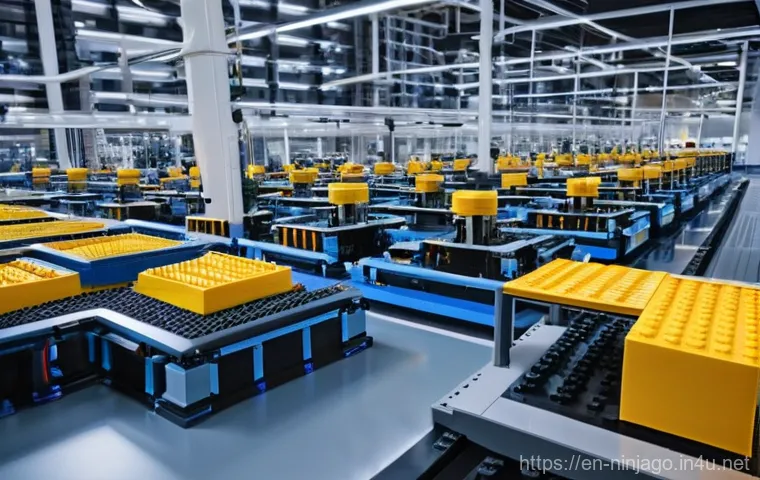
Once the designs are finalized, the real manufacturing magic happens, and believe me, it’s far more complex than just pouring plastic into molds. I’ve always been astounded by the precision required to produce millions of perfectly interlocking bricks. Think about it: every single stud has to be just right, every color consistent. The sheer scale of Lego’s factories, churning out those vibrant pieces day in and day out, is mind-boggling. They’re masters of efficiency, employing advanced robotics and quality control systems that ensure every piece meets their incredibly high standards. I sometimes envision these massive machines working in perfect harmony, a symphony of plastic injection and precise assembly, all to bring our favorite Ninjago heroes to life. It’s not just about speed; it’s about maintaining that consistent quality that makes Lego the premium brand it is. From my perspective as a long-time collector, that dedication to flawless production is what keeps us coming back for more.
Navigating the Global Logistics Maze
Once those beautiful Ninjago bricks are molded and packaged, they embark on an incredible journey, often spanning continents. It’s a logistical ballet that most of us never even consider when we’re eagerly ripping open a new set. I’ve often pictured the massive container ships traversing oceans, filled to the brim with boxes of Kai, Jay, Zane, Cole, Lloyd, and Nya, all headed to different corners of the globe. It’s not just about getting them from Point A to Point B; it’s about navigating a truly complex global network. Weather delays, port congestion, unexpected geopolitical shifts – any of these can throw a wrench into the works, and I’ve certainly experienced the frustration of a release date getting pushed back because of “shipping delays.” It really highlights how interconnected the world is and how many moving parts are involved in getting a toy from a factory in, say, Mexico or Europe, all the way to a shelf in my local toy store here in the US. It’s a testament to incredible planning and coordination.
Sea, Air, and Land: The Journey Across Continents
The journey of a Ninjago set is truly a multi-modal adventure. From the manufacturing plants, most bulk shipments start their trip across oceans on massive cargo ships. These behemoths carry thousands of containers, each packed with our future builds. Once they hit port, the containers are offloaded and usually transferred to trains or trucks for inland distribution. I’ve actually seen these specialized Lego logistics trucks on highways, and it always gives me a little thrill, knowing they’re probably carrying some awesome new sets. For more urgent or limited-edition releases, air freight comes into play, significantly speeding up transit times, though at a higher cost. This intricate dance of sea, air, and land transportation is meticulously planned, a true logistical masterpiece designed to minimize delays and costs while ensuring our favorite bricks arrive safely and on time. It’s a huge operation that demands constant optimization.
Customs and Compliance: Clearing the Hurdles
Before any Ninjago set can officially enter a new country, it has to jump through a myriad of hoops known as customs and compliance. This isn’t just a simple stamp of approval; it involves complex regulations, tariffs, and safety standards that vary wildly from one nation to another. I’ve heard stories from folks in the industry about the sheer volume of paperwork and inspections involved. Every set needs to be cleared, ensuring it meets local consumer safety laws, labeling requirements, and import duties. A small hiccup here can lead to significant delays, and I’ve experienced sets being delayed for weeks, which can be agonizing when you’re hyped for a new wave. Lego, being a global brand, invests heavily in experts who navigate these international trade waters, ensuring that every Ninjago set arrives legally and smoothly, ready for eager hands. It’s a critical, yet often unseen, part of the distribution chain that keeps things moving.
The Retail Giants: Big Box Stores and Their Strategy
Ah, the big box stores – places like Target, Walmart, and Toys “R” Us (if you’re in Canada or parts of Asia, lucky you!). These are often our first port of call when a new Ninjago wave drops. They’re massive machines, and their strategy for stocking and displaying Lego sets is incredibly sophisticated. I’ve noticed how different stores prioritize different types of sets or even have exclusive waves. It’s not just about sheer volume; it’s about carefully curated selections designed to attract specific demographics. Walking through the toy aisle, I always keep an eye out for those subtle visual cues that hint at new arrivals or restocks. It’s a thrilling moment when you spot that fresh stack of boxes that weren’t there yesterday. The sheer buying power of these retailers means they often get preferential treatment from Lego, which translates into us having easier access to a wide range of products. It’s a core part of the Ninjago ecosystem, and frankly, a place where many of us start our collecting journeys.
Exclusive Deals and Early Access: What Stores Get What
One of the most exciting, and sometimes frustrating, aspects of collecting Ninjago is the phenomenon of store exclusives. I’ve personally experienced the mad dash to a specific retailer on launch day, hoping to snag that one set you can’t get anywhere else. Target often has its unique mini-builds or polybags, while other retailers might get a larger, exclusive D2C (direct-to-consumer) style set. These exclusive partnerships are a huge win for the retailers, driving foot traffic and online sales, and for us collectors, they add an element of a treasure hunt to the hobby. Lego leverages these relationships strategically, creating buzz and ensuring that different retail channels maintain their appeal. It also means that keeping up with all the various announcements and whispers on collector forums becomes part of the game. It’s a dynamic strategy that keeps the market interesting and us collectors on our toes.
In-Store Experience: The Thrill of the Hunt on Aisles
There’s something truly special about walking into a physical store and browsing the Lego aisle. For me, it’s a tangible connection to the hobby that online shopping, while convenient, can’t quite replicate. The colors, the sheer variety of boxes, the possibility of spotting a rare find or a newly released Ninjago set – it’s a little adventure every time. I’ve had countless moments of pure joy spotting a set I’ve been hunting for, tucked away on a shelf. The tactile experience of picking up a box, examining the artwork, and imagining the build is a big part of the appeal. While online sales are booming, big box stores still offer that immediate gratification and the chance to discover something new without waiting for delivery. It’s a communal experience too, seeing other parents and kids excitedly pointing out sets, sharing in that universal love for Lego. That ‘thrill of the hunt’ is a huge draw for many of us.
The E-commerce Revolution: Online Shopping’s Dominance
Honestly, where would we be without online shopping these days? For Lego Ninjago collectors, e-commerce has completely transformed the game. Gone are the days when your only option was a trip to the local toy store. Now, a new set is just a few clicks away, and the sheer convenience is undeniable. I’ve personally spent countless hours refreshing product pages, hitting that “add to cart” button the moment a new wave drops. It’s a competitive world out there, and being fast can mean the difference between getting a set on day one or waiting for a restock. The reach of online retailers is unparalleled, allowing us to find sets that might not be available in our local area or to take advantage of sales from different regions. It’s also incredible for discovery; browsing through thousands of sets, reading reviews, and getting detailed information is all at our fingertips. This shift has not only made collecting easier but also more global, connecting us to a wider community of enthusiasts.
Direct from Lego: The Official Shop Experience
For me, there’s a certain prestige to ordering directly from the Lego Shop online. It’s the official source, and usually, it’s where new Ninjago sets appear first, sometimes even with early access for VIP members (which, let’s be real, many of us are!). The VIP program itself is a fantastic incentive, giving us points back on purchases that we can then use for discounts or exclusive items. I’ve found their customer service to be top-notch, and the packaging is always secure. Plus, they often have exclusive Gifts With Purchase (GWPs) that you simply can’t get anywhere else, making those launch day orders even more enticing. The website itself is usually clean and easy to navigate, with detailed product images and descriptions. It’s a premium experience for a premium product, and I always feel confident that I’m getting the genuine article, direct from the source. It truly is a haven for serious collectors.
Third-Party Powerhouses: Amazon, eBay, and Beyond
Beyond the official Lego store, the vast world of third-party online retailers is where many of us find our Ninjago treasures. Amazon, for instance, is a juggernaut, offering competitive pricing, fast shipping, and an enormous selection. I’ve snagged some incredible deals there, especially during sales events. Then there’s eBay, which is a whole different beast. It’s the wild west of the secondary market, where you can find retired sets, rare minifigures, and sometimes even great deals on current releases from individual sellers. My advice? Always check seller ratings and be a savvy shopper! BrickLink is another essential for serious collectors, essentially an online marketplace for individual bricks and minifigures, perfect for completing a set or customizing a build. These platforms democratize access to Lego, making it possible for collectors worldwide to find exactly what they’re looking for, often at a variety of price points. It’s a vibrant and ever-evolving landscape.
Specialty Shops and Local Gems: Niche Markets and Community
While the big box stores and online giants handle the bulk of distribution, I’ve always had a soft spot for the smaller, independent toy shops and specialty retailers. These places often offer a completely different vibe and a more personalized experience, especially for us dedicated Lego fans. They might not have the sheer volume of a Walmart, but what they lack in quantity, they often make up for in curated selections and expert staff. I’ve discovered some amazing hidden gems in these shops, sets I might have overlooked elsewhere. It’s also where you often find a stronger sense of community, a place where fellow enthusiasts can chat about the latest Ninjago wave, share building tips, or just revel in their shared passion. Supporting these local businesses is something I genuinely believe in, as they add so much character and uniqueness to the collecting landscape. They’re like little oases for our hobby.
Independent Retailers: Curated Collections and Expertise
Stepping into an independent toy store that specializes in Lego is like entering a treasure trove. These stores, run by passionate owners and staff, often have a deep understanding of the products they sell. They know the Ninjago lore, they can recommend sets based on your interests, and they often have a hand-picked selection that reflects their expertise. I’ve found that these places are fantastic for finding slightly older sets that might have disappeared from larger retailers, or for discovering unique accessories and custom minifigures. The personal touch is what really sets them apart; you’re not just a transaction, you’re part of a community. I’ve had some of my best conversations about Lego with store owners who genuinely love the product, and their insights have often helped me make smarter collecting decisions. They’re a vital part of the ecosystem, fostering a sense of local community that online shopping can’t replicate.
The Secondary Market: Unearthing Hidden Treasures
Beyond the official retail channels, the secondary market is where the true hunt for hidden treasures begins. This encompasses everything from online marketplaces like BrickLink and eBay, which I mentioned earlier, to local swap meets, garage sales, and even thrift stores. It’s a place where retired Ninjago sets, rare minifigures, and even individual pieces can be found. I’ve personally spent countless hours scouring these platforms, sometimes for specific parts to complete a MOC (My Own Creation), and other times just for the thrill of discovering a long-lost set at a fantastic price. It requires patience, a keen eye, and a bit of luck, but the rewards can be immense. It’s a testament to the enduring appeal of Lego that these pieces retain their value and continue to circulate, allowing new generations of collectors to enjoy sets they might have missed the first time around. It’s a vibrant, ever-changing landscape for the dedicated collector.
The Collector’s Edge: Mastering Release Dates and Scarcity
Let’s be real, as Ninjago collectors, mastering release dates and understanding scarcity is practically a superpower. It’s not just about wanting a set; it’s about knowing *when* and *where* to get it before it vanishes into the ether. I’ve certainly felt the sting of missing out on a limited-edition set because I wasn’t quick enough or didn’t have the right information. The online forums and collector communities become invaluable resources here, as people share tips, rumors, and confirmed release schedules. It’s a fast-paced environment, and being proactive is key. You really need to stay on top of the news, subscribe to newsletters, and maybe even set up alerts. It adds a whole other layer to the hobby, transforming casual collecting into a strategic pursuit. The thrill of successfully snagging a highly anticipated, scarce set is truly unmatched, a small victory in the grand scheme of things that makes all the effort worthwhile. It’s a testament to our dedication.
Pre-Orders and Restocks: Staying Ahead of the Game
For us dedicated Ninjago fans, pre-ordering is often the best way to guarantee you get a highly anticipated set on release day. I’ve found that being proactive here can save a lot of stress, especially for those larger, more exclusive sets that tend to sell out quickly. Keeping an eye on retailer websites and official Lego channels for pre-order announcements is crucial. And if you miss the initial window? Don’t despair! Restocks are a common occurrence, especially for popular sets. This is where patience and persistence pay off. I’ve personally signed up for countless “email me when in stock” notifications, and many times, they’ve come through. It’s a game of vigilance, constantly checking trusted sources and staying connected with the community for real-time updates. The feeling of finally getting that email notification that your coveted Ninjago set is back in stock is a small victory, believe me, a true moment of collector triumph.
Limited Editions and Exclusives: The Ultimate Quest
Ah, the legendary limited editions and exclusives – these are often the ultimate quest for any serious Ninjago collector. Whether it’s a convention exclusive minifigure, a seasonal GWP (Gift With Purchase), or a store-specific promotional item, these pieces add an incredible level of excitement and challenge to the hobby. I’ve personally traveled to different cities just to hunt down a particular exclusive, and the stories I could tell about those adventures! These items are designed to create buzz and drive demand, often disappearing from shelves and online stores almost as soon as they appear. They force us to be resourceful, to be quick, and to leverage our networks. While sometimes frustrating, the pursuit of these rare gems is part of what makes collecting so exhilarating. It’s a testament to our passion, pushing us to go the extra mile to complete our collections and cherish those truly unique Ninjago treasures.
The Future of Ninjago Distribution: What’s Next?
It’s mind-boggling to think about how much the world of toy distribution has evolved, even just in the last few years. And for a powerhouse like Lego’s Ninjago line, staying ahead of the curve isn’t just an option; it’s a necessity. I’ve been pondering what the next big shifts might be, especially with all the technological advancements and global changes we’re seeing. Will we see even more hyper-localized distribution centers, perhaps reducing transit times even further? Will AI play an even bigger role in predicting demand and optimizing supply chains? My gut tells me we’re only at the beginning of some truly fascinating innovations. As collectors, these changes directly impact our ability to get our hands on the latest and greatest, so keeping an eye on these trends is almost as exciting as getting a new set itself. The future promises to be just as dynamic and intriguing as the Ninjago storyline.
Sustainability in Supply Chains: A Greener Path
One area I’m really hopeful to see more focus on is sustainability within the Ninjago supply chain. As consumers, we’re becoming increasingly conscious of the environmental impact of our purchases, and Lego, to their credit, has been making strides in this area, particularly with their push for more sustainable materials. But beyond the bricks themselves, I envision a future where the entire distribution process is significantly greener. Imagine packaging made from fully recycled and recyclable materials, or delivery fleets powered by renewable energy. I’ve always thought that if anyone can innovate in this space, it’s a company like Lego. It’s not just about doing good; it’s about smart business, appealing to an increasingly eco-aware customer base. My hope is that the journey of a Ninjago set, from factory to our homes, becomes a testament to environmental responsibility, reflecting the values we all want to see in the world.
Digital Integration: Augmented Reality and Beyond
Looking ahead, I believe digital integration will play an even more pivotal role in how we experience Ninjago distribution. We’ve already seen glimpses of this with apps that let you scan sets and bring them to life with augmented reality. But imagine using AR to virtually “try on” a new set in your own space before buying, or interactive digital displays in stores that offer a deeper dive into the lore of a specific Ninjago collection. Personalized recommendations based on your past purchases, delivered directly to your device, could become even more sophisticated. I can totally see a future where finding and acquiring our favorite Ninjago sets is an even more seamless, immersive, and interactive experience, blurring the lines between the physical and digital worlds. It’s an exciting prospect, pushing the boundaries of how we connect with our beloved bricks and bringing the magic of Ninjago even closer to home.
| Distribution Channel Type | Pros for Collectors | Cons for Collectors | Typical Ninjago Offerings |
|---|---|---|---|
| Official LEGO Shop Online | Access to exclusives, VIP points, GWPs, reliable stock. | Can sell out quickly for popular items, potentially higher prices. | New releases, exclusive sets, VIP perks, full catalog. |
| Big Box Retailers (Target, Walmart) | Widespread availability, competitive pricing, in-store discovery. | Limited stock of some exclusives, inconsistent restocks. | Core sets, some store exclusives, seasonal promotions. |
| Third-Party E-commerce (Amazon, eBay) | Vast selection, competitive pricing, global reach, secondary market. | Risk of counterfeit products (eBay), varying seller quality. | Wide range of current and retired sets, individual minifigures. |
| Independent Toy Stores | Curated selection, expert advice, community feel, unique finds. | Smaller inventory, potentially fewer discounts. | Specialty items, older sets, local community events. |
Wrapping Things Up
And there you have it, folks! What an incredible journey we’ve taken, tracing the path of our beloved Ninjago sets from a spark of imagination to landing right in our hands. It’s truly a testament to the passion, precision, and sheer logistical genius that makes the Lego universe tick. Every brick, every minifigure, every epic dragon model is a product of a complex, interconnected world, and I hope this deep dive has given you a newfound appreciation for the magic behind the scenes. It’s a thrill to be part of this community, and understanding the journey only makes our builds that much more special.
Good to Know Info
1.
Always check the official LEGO Shop Online first for new Ninjago releases. Not only do they often get sets before other retailers, but you’ll also earn VIP points and potentially snag exclusive Gifts With Purchase (GWPs), making it a truly rewarding experience for dedicated fans.
2.
Join online collector communities and forums! These vibrant spaces are invaluable for real-time updates on release dates, restocks, and even rumors about upcoming sets. Many collectors actively share tips on where to find elusive exclusives, giving you a significant edge in your hunt.
3.
Don’t underestimate the power of pre-orders, especially for highly anticipated or larger Ninjago sets. Securing your order early can save you the stress of frantic searching on launch day and ensures you get your hands on those must-have builds without delay.
4.
Explore the secondary market, but do so wisely! Sites like BrickLink and eBay are fantastic for finding retired sets, individual minifigures, or even specific pieces to complete your collection. Just remember to always check seller ratings and be a savvy shopper to ensure you get authentic products at fair prices.
5.
Keep an eye on store exclusives and regional releases. Major retailers like Target or Walmart often have unique Ninjago sets or promotions you won’t find elsewhere. Staying informed about these partnerships can lead you to some truly special additions to your collection.
Key Takeaways
So, what’s the big picture here? The distribution of Lego Ninjago sets is a fascinating blend of art and science, a global ballet that ensures these incredible creations reach us, the fans. From the meticulous design and manufacturing processes to the intricate logistics networks and diverse retail channels, every step is optimized to deliver that unparalleled building experience. For us collectors, navigating this landscape means being informed, strategic, and connected to our community. The future promises even more innovation, but one thing’s for sure: the thrill of the hunt and the joy of the build will always remain at the heart of our Ninjago passion.
Frequently Asked Questions (FAQ) 📖
Q: Why do some Ninjago sets seem to vanish so quickly or become incredibly hard to find right after launch?
A: Oh, this is a question that hits close to home for every serious collector, myself included! I’ve been there, refreshing pages endlessly only to see “out of stock.” What I’ve learned from years of chasing these amazing sets is that it’s a mix of clever strategy from Lego and pure, unadulterated collector demand.
Lego often releases certain Ninjago sets as “limited editions” or store exclusives, which immediately creates a sense of urgency. Think about those highly anticipated builds or unique minifigure packs – they’re intentionally produced in smaller quantities to make them feel special.
And let’s be honest, we all love feeling like we’ve snagged something rare, right? This scarcity, combined with the immense popularity of Ninjago, means that dedicated fans and resellers alike are ready to pounce the moment a set drops.
I’ve personally seen a set sell out in minutes online because everyone knew it was going to be a hot item. It’s a thrill, but also a bit of a scramble!
Q: Beyond the usual big-name stores, where else can I reliably find new or even older Ninjago sets?
A: While the big retailers like Target, Walmart, and Amazon are always my first stops for new releases, they aren’t the only game in town, especially if you’re hunting for something a bit older or more unique.
My personal strategy involves a few other fantastic avenues. First, don’t underestimate your local, independent toy stores. These gems often have a slightly different inventory or might even hold onto older stock longer than the big chains.
I’ve stumbled upon some absolute treasures there! Then there’s the official Lego Store, both online and physical. They frequently have exclusive sets you won’t find anywhere else, plus early access for VIP members, which has saved me so many times.
For those really elusive, retired sets, I’ve had surprisingly good luck on reputable secondary markets and collector forums. It takes a bit more digging and careful vetting, but finding that one missing piece for my collection through another enthusiast is incredibly satisfying.
It’s all about diversifying your search, because you never know where your next Ninjago adventure will lead you!
Q: How has the rise of online shopping and global supply issues really changed the game for us Ninjago collectors?
A: Wow, this is a huge one, and something I think about constantly! The game has absolutely transformed. I remember a time when the hunt for a new Ninjago set meant a trip to the toy store, plain and simple.
Now, online shopping has opened up the world, giving us access to a much wider selection, often with better prices, and the sheer convenience of getting new sets delivered right to our door.
I mean, who doesn’t love avoiding crowded stores? However, it’s not all sunshine and rainbows. I’ve experienced the flip side, too: the frustration of “add to cart” only to find it sold out seconds later, or the agony of tracking a package that’s stuck in transit due to global supply chain hiccups.
These days, a single disruption, whether it’s a shipping port backlog or a factory slowdown, can cause widespread delays and stock shortages that impact collectors everywhere.
It means we have to be more proactive than ever – signing up for email alerts, following fan communities for stock updates, and sometimes, just plain patience.
The collecting world is more interconnected than ever, which is amazing, but it also means we’re all feeling the ripple effects of global events in our pursuit of those awesome Ninjago builds.