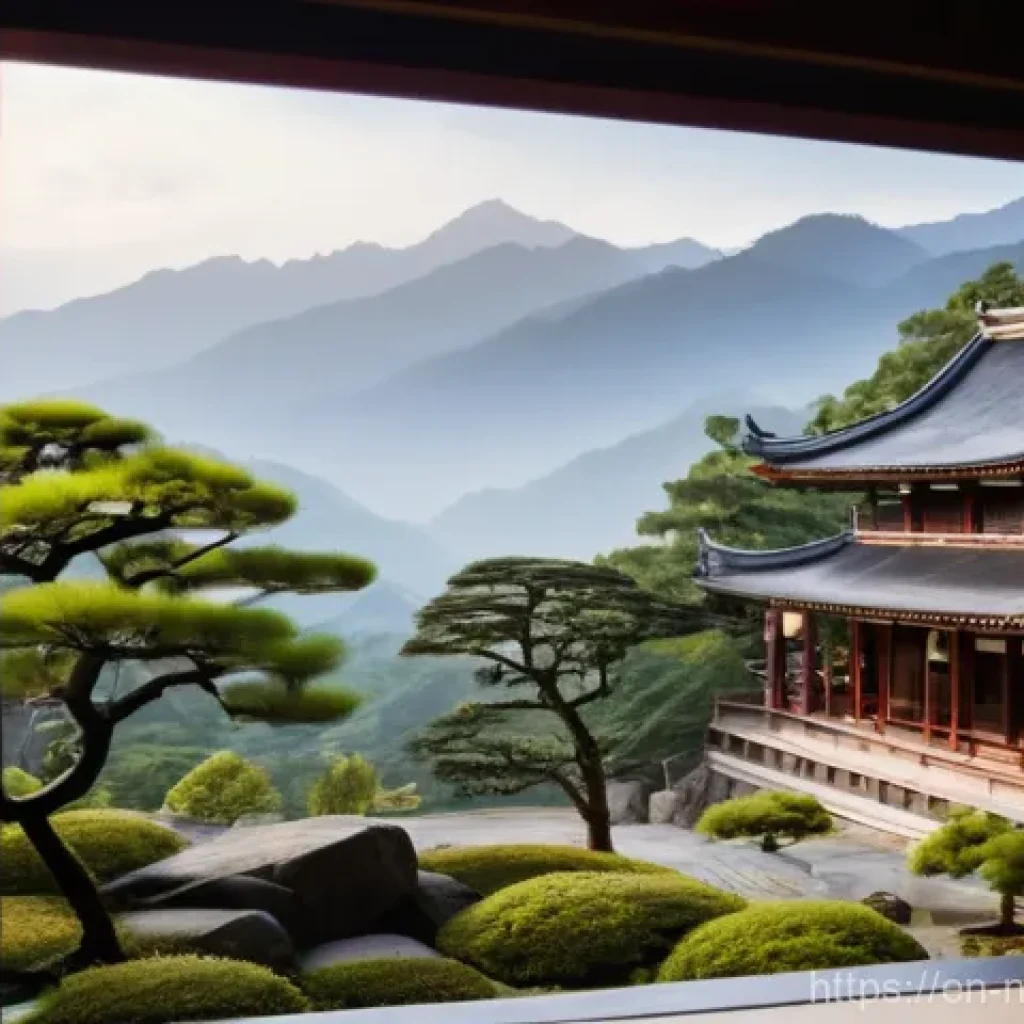
Hey there, fellow adventurers and LEGO enthusiasts! You know, every time I dive into the world of Ninjago, whether it’s through the epic animated series or meticulously building one of those incredible sets, I’m always utterly captivated by the sheer artistry of its architecture.
It’s not just bricks and imagination; it’s a whole universe of stunning buildings that somehow blend ancient mystique with dazzling futuristic vibes. Think about it – those serene temples with their intricate curved roofs, standing tall amidst bustling, neon-lit cityscapes.
How do they pull off such a visually rich and diverse world? It’s like a masterclass in design, pulling from so many fascinating real-world inspirations that you might not even realize.
I’ve spent countless hours admiring these structures, and trust me, there’s more to their design than meets the eye, a secret sauce that makes Ninjago feel both timeless and cutting-edge all at once.
If you’ve ever wondered what goes into creating such an iconic backdrop for our favorite ninja heroes, you’re in for a treat because I’m about to spill the beans on the brilliant architectural influences behind Ninjago, from traditional East Asian aesthetics to futuristic cyberpunk skylines.
You’re not going to believe the detailed thought process that brought these incredible designs to life and how they keep us coming back for more, enhancing every story and every play session.
Get ready to have your mind blown as we explore the fascinating architectural styles that make Ninjago truly unique! Let’s uncover all the exciting details right now.
Echoes of Ancient Wisdom in Modern Skylines
Stepping into the world of Ninjago, especially those serene temple settings and peaceful villages, I’ve always felt a deep connection to something older, something profound. It’s like the very air hums with centuries of tradition. You know, when I first saw the curved roofs of the Monastery of Spinjitzu, or the intricately designed wooden structures in early Ninjago sets, I immediately thought of the beautiful architecture I’ve seen in real-world East Asian temples and historic Japanese towns. The designers really nailed that feeling, didn’t they? It’s not just a superficial nod; there’s a real sense of weight and history behind these structures. It transports you, making you feel like the ninja are truly training in a place steeped in ancient martial arts lore and wisdom. I mean, who doesn’t get a little chill when thinking about the stories those old walls could tell?
The Grace of Traditional Japanese Design
For me, the most striking aspect of Ninjago’s traditional side has to be the elegant Japanese influences. Think about the pagodas and the dojos – they often feature those iconic sweeping, multi-tiered roofs and exposed wooden beams. I’ve noticed how the details, like the delicate rice paper windows often depicted in the sets, really bring that classic aesthetic to life. It’s these smaller touches that make the big difference, creating an authentic feel that resonates. When I’m building one of these sets, I can almost smell the incense and hear the gentle rustle of leaves in a zen garden. It’s a peaceful contrast to the chaotic city, offering a sanctuary for reflection and rigorous training. This commitment to detail truly enhances the storytelling, making the locations feel like characters in themselves.
Chinese Architectural Grandeur
Beyond the Japanese touches, I’ve always been fascinated by the subtle yet undeniable Chinese architectural elements woven throughout Ninjago. While it’s often a blend, you can spot the grandeur! I’m talking about the more elaborate gates, the robust temple structures with their vibrant colors, and even the stylized dragon motifs that adorn many buildings. These elements often lean into a more opulent and commanding presence, reflecting the historical power and artistic flair of traditional Chinese design. It’s a broad interpretation, for sure, combining various Asian cultures into a unique tapestry, but the Chinese influence definitely adds a layer of majesty and ancient mystique that I personally adore. It’s never just one thing, which is what makes it so captivating!
The Dazzling Grip of Cyberpunk Dreams
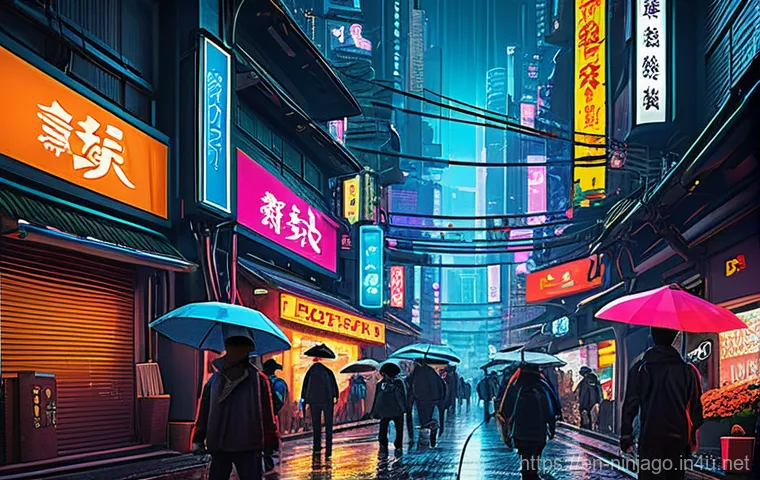
Now, let’s talk about the complete opposite end of the spectrum: Ninjago City itself. Oh my goodness, the first time I saw it, my jaw literally dropped. It’s a pulsating, neon-drenched marvel that screams “cyberpunk” from every towering skyscraper and alleyway. If you’re anything like me, you immediately thought of iconic dystopian futures from movies and video games. It’s not just a futuristic cityscape; it’s a living, breathing entity of glass, steel, and brilliant light. The atmosphere is just electric, a constant hum of activity and innovation, often teetering on the edge of chaos. I swear, sometimes I can almost feel the rain-slicked streets and the glow of holographic advertisements when I look at the sets. This hyper-modern, technologically advanced setting provides such a dynamic backdrop for our heroes, showing a world that desperately needs their ancient wisdom to keep its soul intact. It’s pure visual candy, and I just can’t get enough of it!
Towering Neon Jungles
Those towering skyscrapers, plastered with glowing billboards and digital signage, are a hallmark of Ninjago City’s cyberpunk aesthetic. It’s a concrete jungle, but one illuminated by a thousand dazzling lights. I’ve always found myself just staring at the sheer verticality of it all, how buildings seem to stack on top of each other, creating an almost impossible density. It reminds me so much of real-world mega-cities, but cranked up to eleven with that distinctive dystopian edge. The constant visual stimulation, the crisscrossing elevated walkways, and the sheer scale of it all contribute to this incredible sense of a city that never sleeps, always evolving, and always pushing boundaries. It truly makes you feel like you’re in a high-stakes world where anything can happen around the next glowing corner.
The Shadowy Allure of Dystopian Alleyways
But it’s not all gleaming chrome and bright lights. The underbelly of Ninjago City, those shadowy alleyways and cramped lower levels, really bring home the dystopian feel. It’s a deliberate design choice, reflecting inspirations like the infamous Kowloon Walled City, which was known for its incredible density and labyrinthine structure. I’ve always found these areas just as fascinating, if not more so, than the gleaming towers. There’s a raw, gritty charm to them, suggesting a world where life is lived closer to the ground, away from the corporate glare. It creates a fantastic contrast and adds so much depth to the city’s personality. It’s these hidden corners where you often find the most interesting stories and quirky characters, making the world feel incredibly rich and lived-in.
A Fusion of Eras: Where Time Collides
What truly makes Ninjago’s architecture revolutionary, in my humble opinion, is how seamlessly it blends these seemingly disparate styles. It’s like a master artist took a palette of ancient tradition and futuristic vision, then swirled them together into something entirely new and breathtaking. You can have a venerable, centuries-old temple standing proudly on the outskirts of Ninjago City, while just a few blocks away, neon-lit noodle shops hum with modern energy. This juxtaposition isn’t jarring; it’s harmonious, telling a story of a world that respects its past while hurtling headfirst into the future. I often find myself admiring how a traditional archway might be integrated into a sleek, modern facade, or how a classic lantern design is given a futuristic glow. It’s a testament to incredible creative vision that keeps me coming back to explore every nook and cranny.
Bridging the Old and New
This “old meets new” philosophy is practically a character in itself within Ninjago. It’s not just about placing different buildings next to each other; it’s about integration. I remember one specific set where traditional dragon statues were incorporated into the design of a modern high-rise, almost as guardians. It felt so clever, showing how the cultural heritage is literally built into the fabric of the modern world. This blend creates a sense of continuity, suggesting that even with all the technological advancements and changes, the spirit and values of the past still hold significant weight. It makes the world feel incredibly deep and rich, giving every structure a narrative beyond just its appearance.
Visual Storytelling Through Contrast
The visual contrast in Ninjago architecture is a powerful storytelling tool. The serene, natural elements of the wilderness and ancient training grounds stand in stark relief to the bustling, artificial glow of the city. When I see the ninja, clad in their traditional garb, navigating the complex urban sprawl, it highlights their role as guardians of both ancient ways and modern society. This push and pull between two worlds is what gives Ninjago its unique flavor. It allows for a vast array of narratives, from ancient prophecies unfolding in forgotten ruins to high-tech heists in the city’s financial districts. It keeps the world fresh and exciting, always offering something new to discover.
The Living, Breathing Layers of the City
Okay, let’s get into the nitty-gritty of what makes Ninjago City truly feel alive – its incredible verticality and layered structure. This isn’t just a city; it’s a multi-tiered ecosystem where different levels offer completely different experiences. I mean, I’ve often wondered what it would be like to live on one of the lower levels, where natural sunlight is a rare commodity, compared to a penthouse suite high above the clouds. This intricate layering is directly inspired by historical examples like the Kowloon Walled City, where buildings were built so densely and haphazardly that entire communities lived without ever seeing the sky. It’s a fantastic way to visually represent different social strata and offer endless possibilities for exploration and adventure. Every time I look at a Ninjago City set, I try to imagine the daily lives of the minifigures at each level, from the bustling street vendors to the corporate executives in their sky-high offices.
Sky-High Living and Elevated Pathways
The sheer number of elevated walkways and interconnected buildings is a feature I absolutely love. It gives you the feeling that you can traverse entire sections of the city without ever touching the ground level. I find this aspect incredibly immersive; it’s not just about going from point A to point B horizontally, but vertically as well. This design fosters a sense of constant movement and dynamism, reflecting the fast-paced nature of city life. When I’m thinking about how the ninja move through this world, these pathways are crucial for their parkour and stealth maneuvers. It creates this wonderful sense of a three-dimensional playground, full of hidden routes and breathtaking vistas, making the city itself a character in their adventures.
The Hidden Depths and Ground-Level Grime
Just as fascinating are the hidden depths of Ninjago City, the often overlooked ground-level areas and subterranean passages. These are the places where the city’s true grit and character often reside. You’ll find everything from bustling noodle shops to clandestine meeting points tucked away in these lower sections. I personally love the contrast these areas provide against the gleaming corporate towers. They offer a sense of realism, showing that even in a fantastical world, there are diverse ways of living and working. It also provides excellent opportunities for storytelling, allowing for gritty, street-level narratives that complement the high-flying ninja action. It truly feels like a place where every corner holds a secret, just waiting to be discovered.
A Kaleidoscope of Cultural Touches
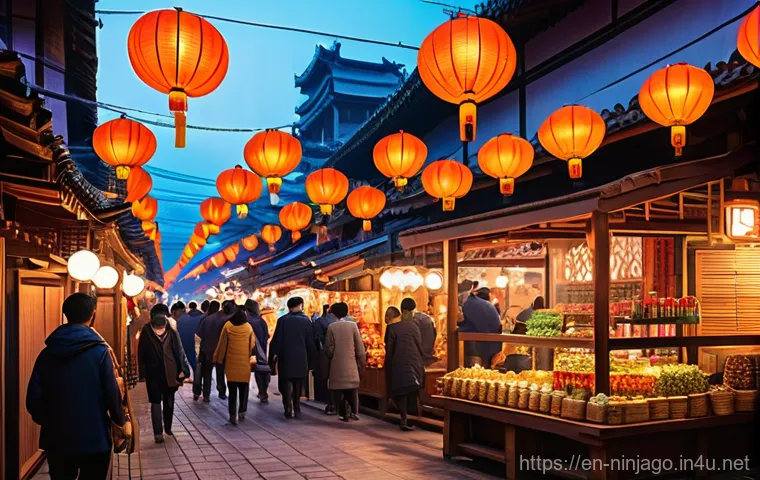
You know, what always strikes me about Ninjago’s world-building is how it manages to feel so expansive and rich, pulling from a veritable kaleidoscope of cultural touches. It’s never just one specific country or region; it’s a thoughtful (and sometimes playful) amalgamation of various East and Southeast Asian influences. This approach creates a truly unique identity that isn’t beholden to a single historical or geographical context, allowing the creators immense freedom. From the martial arts philosophies that underpin the ninja’s training to the culinary delights hinted at in market stalls, these cultural elements are deeply embedded. I’ve often felt that this “mish-mash,” as some might call it, actually enhances the fantastical nature of Ninjago, making it an original world that’s both familiar and wonderfully exotic at the same time. It’s a testament to how creative storytelling can transcend geographical boundaries.
The Spirit of the Dojo and the Temple
At the heart of Ninjago’s cultural fabric are the dojos and temples, which serve as more than just buildings; they are centers of learning, discipline, and spiritual growth. I’ve always been drawn to the serene atmosphere of these places, a stark contrast to the often frenetic pace of the ninja’s battles. The design of these structures, from their architectural lines to the functional spaces for training, really emphasizes the importance of tradition and inner strength. It’s here that the ninja hone their skills and learn valuable life lessons, and the buildings themselves reflect that journey. It feels incredibly authentic, even in a world with mechs and dragons, providing a grounding element that’s crucial for the story’s emotional impact. I personally try to channel a bit of that dojo calm when I’m tackling a challenging LEGO build!
Festivals, Markets, and Everyday Life
Beyond the grand temples and futuristic towers, Ninjago’s architecture also gives us glimpses into the vibrant everyday life of its inhabitants through its bustling markets and residential areas. I mean, who doesn’t love the idea of wandering through a colorful Smugglers’ Market or grabbing a bowl of noodles from a street vendor? These smaller, often more humble, architectural elements really fill out the world and make it feel lived-in. You see the influence of traditional marketplaces, with their diverse stalls and lively atmosphere, alongside more modern residential blocks that show how people truly live in this layered city. It’s these touches that make the world feel cohesive and real, not just a collection of battle arenas and hero bases. It’s the kind of detail that makes you want to explore every single part of the map.
Iconic Structures and Their Real-World Echoes
When I think about the most memorable builds in Ninjago, it’s often the grand, iconic structures that come to mind first. These aren’t just buildings; they’re landmarks that shape the narrative and provide epic backdrops for the ninja’s adventures. And what’s really cool is how many of them have distinct echoes of real-world architectural marvels or established styles, even when they’re given a uniquely Ninjago twist. Whether it’s a soaring monastery perched on a mountaintop or a bustling urban center, the designs always manage to feel both familiar and fantastically original. I’ve spent hours poring over the details of sets like the Temple of Airjitzu, trying to identify all the subtle inspirations, and it’s always a rewarding experience. It’s a blend of inspiration and pure imagination that keeps the world consistently engaging.
The Serenity of the Monastery
The Monastery of Spinjitzu, in its various iterations, is arguably the most recognizable and enduring piece of architecture in Ninjago. It’s a bastion of peace and training, often depicted with classic East Asian temple features like tiered roofs, ornate gateways, and expansive courtyards. I’ve always seen it as the spiritual anchor of the series, representing the core values and history of the ninja. The design perfectly conveys its role as a place of refuge and intense discipline, often set against a backdrop of breathtaking natural beauty. It’s a place where the ancient traditions are kept alive, serving as a powerful counterpoint to the ever-changing, bustling cityscapes that often surround it. It truly feels like a sacred space, even in brick form.
The Dynamic Ninjago City Towers
On the other hand, the imposing towers of Ninjago City are a spectacle of modern engineering and cyberpunk vision. These aren’t just tall buildings; they’re often dynamic, with complex designs, integrated neon lighting, and even multi-functional levels. They represent the cutting edge of Ninjago’s technological advancements and serve as the stage for many of the series’ most thrilling, high-octane sequences. The way they stretch towards the sky, often covered in advertisements and intricate details, really encapsulates the energy and ambition of the city. I remember building my first Ninjago City set and being amazed at how much life and detail was packed into every single floor, from the street level shops to the hidden apartments above. It’s a marvel of vertical living!
The Art of Storytelling Through Structure
Honestly, when I look at Ninjago, I don’t just see cool buildings; I see narratives meticulously crafted into brick and mortar. The designers behind this world are absolute geniuses at using architecture to tell a story, evoke emotions, and even hint at deeper lore. Every curved roof, every neon sign, every stacked residential block feels like it has a purpose, a reason for being there that enriches the overall experience. It’s not just about aesthetics; it’s about creating a living, breathing world where the environment itself plays a crucial role in the adventures of the ninja. This commitment to visual storytelling is what makes Ninjago so compelling for me, both as a viewer and as a builder. It’s a masterclass in environmental design, transforming simple bricks into a universe of endless possibilities.
Architectural Symbolism and Themes
The architecture in Ninjago is brimming with symbolism, often reflecting the overarching themes of the series. The ancient temples symbolize tradition, balance, and the enduring power of elemental mastery. Conversely, the sprawling, intricate Ninjago City represents progress, technology, but also the potential for chaos and moral ambiguity. I’ve always found it fascinating how the physical environment mirrors the internal struggles and growth of the characters. When a new threat emerges, its lair often takes on architectural traits that reflect its nature, whether it’s an imposing fortress of ice or a shadowy, dilapidated hideout. This thoughtful design makes every location feel significant, adding layers of meaning that loyal fans, like myself, absolutely geek out over. It’s a subtle yet powerful way to deepen the narrative.
Creating Immersive Worlds for Play
Ultimately, all this incredible architectural design serves one fantastic purpose: to create unbelievably immersive worlds for us to play in. Whether you’re watching the show or building the sets, the environments are designed to spark imagination and facilitate endless adventures. The modular nature of many Ninjago City sets, for instance, allows for endless reconfiguration and expansion, letting you craft your own unique urban landscape. I absolutely love how these sets aren’t just display pieces; they’re playgrounds for storytelling. The details, the hidden features, the interconnectedness – it all invites you to jump in and become part of the action. It’s this playability, combined with the stunning aesthetics, that makes Ninjago architecture so enduringly popular and endlessly inspiring for builders of all ages.
| Architectural Element | Key Characteristics | Real-World Inspiration | Ninjago Examples |
|---|---|---|---|
| Traditional Temples & Monasteries | Curved roofs, intricate wooden structures, serene courtyards, natural integration | Japanese Buddhist temples, Chinese pagodas, East Asian traditional homes | Monastery of Spinjitzu, Temple of Airjitzu |
| Cyberpunk Cityscape | Dense verticality, neon lights, towering skyscrapers, elevated walkways, cluttered appearance | Kowloon Walled City, Tokyo, Blade Runner, Ghost in the Shell | Ninjago City, Ninjago City Gardens, Ninjago City Docks |
| Fishing Villages & Markets | Waterfront structures, small shops, traditional stalls, docks | Coastal East/Southeast Asian fishing towns, bustling street markets | Smugglers’ Market (from Temple of Airjitzu set), various market stalls in Ninjago City |
| Futuristic Infrastructure | Advanced transportation hubs, high-tech bridges, unique energy systems | Modern architectural marvels, sci-fi city planning concepts | Ninjago City’s monorail system, various advanced vehicles |
Wrapping Up Our Architectural Journey
Phew, what a ride! It’s truly incredible to see how Ninjago’s architectural world masterfully blends ancient traditions with a dazzling cyberpunk future. For me, this isn’t just about cool buildings; it’s a living testament to how creativity can build entire universes that feel both familiar and wonderfully imaginative. This harmonious clash of worlds is what makes Ninjago stand out, constantly inviting us to explore, build, and dream within its unique landscapes. It’s a real masterclass in how environment can enrich storytelling, making every corner of this world feel meaningful.
Pro-Tips for Exploring Ninjago’s Architectural Wonders
1. Re-watch your favorite Ninjago episodes with a keen eye for the background details. You’ll be genuinely surprised by the intricate designs and hidden gems you might have missed before!
2. Don’t just look at the official sets! The Ninjago fan community is bursting with incredibly creative custom builds that expand on these architectural styles in breathtaking ways. Dive in for some serious inspiration.
3. Pay close attention to how different architectural styles define characters or factions within the show. The design choices often tell a powerful story about who lives there and what they value.
4. Get hands-on with your LEGO sets! The modularity of many Ninjago City sets, for instance, means you can endlessly reconfigure and create your own unique urban landscapes, boosting playtime and sparking fresh ideas.
5. Always consider the contrast: How does a serene, centuries-old temple look nestled beside a bustling, neon-lit street? This visual dialogue is absolutely key to Ninjago’s charm and offers fantastic storytelling opportunities.
Ninjago’s Design Legacy: The Core Message
Ultimately, Ninjago’s architectural brilliance lies in its seamless fusion of traditional East Asian aesthetics and vibrant cyberpunk dynamism. This isn’t just about making things look cool; it’s a powerful storytelling device that enriches its world, grounding its heroes in ancient wisdom while propelling them into a technologically advanced future. The commitment to crafting immersive, layered environments with profound cultural touches creates a truly unique and engaging experience for fans, always delivering both aesthetic pleasure and deep narrative meaning. It consistently inspires creativity and encourages endless exploration, making it a cornerstone of the Ninjago universe.
Frequently Asked Questions (FAQ) 📖
Q: What real-world architectural styles truly inspire those incredible Ninjago buildings, making them so unique?
A: Oh, you’ve hit on one of my absolute favorite aspects of Ninjago! When I first started building those majestic temples and bustling cityscapes, I immediately noticed this brilliant fusion of styles that just screams “Ninjago.” On one hand, you’ve got these incredibly serene and intricate structures that are clearly a nod to traditional East Asian architecture.
Think about it – those gracefully curved roofs, the detailed carvings, the tranquil gardens, and the overall sense of ancient wisdom; it’s like stepping right into historical Japan or China.
I’ve personally spent hours just admiring the craftsmanship in sets like the Temple of Airjitzu, where every tile and archway tells a story rooted in centuries of design.
But then, Ninjago throws a fantastic curveball, especially with sets like Ninjago City. Suddenly, you’re plunged into a dazzling, neon-lit metropolis straight out of a cyberpunk movie!
We’re talking towering skyscrapers, vibrant holographic billboards, bustling street markets with a futuristic twist, and layers upon layers of urban life.
It’s truly a spectacle, pulling inspiration from iconic cyberpunk visuals you might see in films like Blade Runner or Ghost in the Shell. It’s this incredible blend, this “secret sauce” as I like to call it, that makes Ninjago’s architecture not just unique but utterly captivating and endlessly inspiring to build and explore.
Q: How do the LEGO designers manage to seamlessly blend such diverse architectural styles – ancient traditions with futuristic cyberpunk – without it looking chaotic?
A: That’s the million-dollar question, isn’t it? It’s a delicate dance, but honestly, the LEGO designers nail it every single time. What I’ve observed, after countless hours immersing myself in the Ninjago universe, is that they don’t just smash two styles together.
Instead, they find a brilliant harmony through thoughtful design choices. They often use a consistent color palette or specific thematic elements that subtly bridge the gap.
For instance, you might see a traditional pagoda roofline incorporated into a modern high-rise, or ancient-looking lanterns casting light over a futuristic street scene.
It’s all about intentional contrast that actually enhances each style rather than clashing. The ancient elements provide a grounding, timeless feel, while the cyberpunk additions inject that vibrant energy and cutting-edge excitement.
It’s like they’ve figured out how to make two completely different genres speak the same visual language. This thoughtful layering and clever integration ensure that the world of Ninjago feels both deeply rooted in history and thrillingly forward-looking, creating a cohesive universe that just makes sense, despite its wild inspirations.
It always amazes me how they pull it off so smoothly!
Q: Beyond just looking cool, what makes Ninjago’s architecture so engaging and important for fans and builders?
A: Oh, it’s so much more than just aesthetics! For me, Ninjago’s architecture is almost a character in itself, deeply interwoven with the very fabric of the stories and adventures we love.
Think about it: when you’re building a Ninjago set, you’re not just assembling bricks; you’re constructing the world where Kai trains, where Lloyd battles formidable foes, and where Nya defends her home.
The architecture provides such a rich and dynamic backdrop for every narrative twist and turn. Those serene temples aren’t just pretty; they’re places of training and introspection.
The bustling city isn’t just vibrant; it’s a playground for high-stakes chases and hidden dangers. From a builder’s perspective, it sparks incredible imaginative play.
I’ve personally found myself creating new stories and scenarios just by looking at the detailed structures, picturing the ninja leaping across rooftops or defending a hidden dojo.
It fuels creativity, making us think about how the environment influences the characters and vice versa. It truly elevates the entire experience, transforming simple bricks into a living, breathing world that keeps us coming back for more, enhancing every epic saga and every single play session.