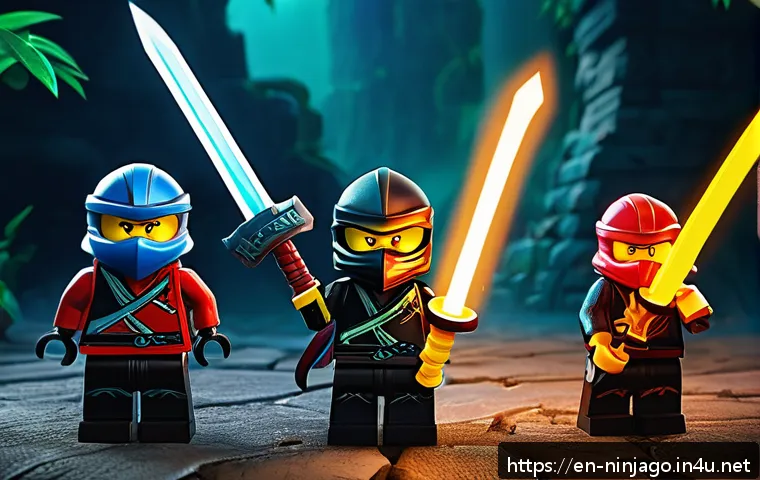
NINJAGO villains tend to repeat four strong patterns: a clear motive, a themed source of power, a faction, and a conflict that puts the ninja’s relationships under pressure.
The best villain era for a viewer depends less on who seems strongest and more on whether they prefer fantasy, machines, supernatural tension, personal rivalry, or large-scale battles.
This pattern makes it easier to compare episodes without reducing every enemy to a simple search for power. It also helps parents choose a tone that suits a child’s comfort level with action or darker imagery.
For LEGO fans, villain themes can be a useful starting point when comparing character guides, vehicles, dragons, locations, and faction-focused sets. Condition, included minifigures, and display appeal are usually more useful buying criteria than assuming one villain theme is automatically better.
At a Glance
- NINJAGO villains commonly combine a motive, special power, faction, and personal challenge for the ninja.
- Fantasy, technology, supernatural horror-leaning tension, and rival-led conflict create different viewing experiences.
- For LEGO collecting, match the villain theme to the characters, vehicles, play features, and display style you actually enjoy.
| Villain Type | Typical Goal | Threat Style | Best for Viewers | Set-Collecting Appeal |
|---|---|---|---|---|
| Artifact-seeking force | Control a powerful object, realm, weapon, or energy source | High-stakes fantasy conflict | Fans of ancient powers and world-changing plots | Dragons, locations, magical elements, and faction characters |
| Technology-driven enemy | Use machines, systems, or control-based power | Fast action and mechanical escalation | Vehicle and battle fans | Mechs, vehicles, robots, and upgrade-focused builds |
| Supernatural threat | Expand the influence of a ghostly, dark, or otherworldly force | Atmosphere, mystery, and fear-based tension | Viewers who enjoy eerie fantasy | Distinctive factions, creatures, and dramatic display scenes |
| Rival leader or corrupted figure | Challenge trust, loyalty, identity, or leadership | Personal and team-focused conflict | Character-driven viewers | Key minifigures, confrontations, and story-linked locations |
The Core Pattern Behind NINJAGO’s Most Memorable Enemies
The most recognizable NINJAGO antagonists are usually built around more than a fight scene. A central villain often has a reason to act, access to a distinctive kind of power, a larger group behind them, and a way of exposing pressure inside the ninja team. That structure keeps a faction from feeling like decoration. It gives the heroes a practical problem to solve and an emotional problem to work through.
The Four Recurring Building Blocks: Motive, Power, Faction, and Personal Conflict
Start with the villain’s motive. It may involve control, revenge, transformation, conquest, or access to a powerful artifact or realm. Next, look at the power
Why a Villain’s Theme Matters as Much as Their Strength
A serpent-themed force, a ghostly threat, a pirate-style faction, and a robot army can all create conflict, but they do not create the same tone. Theme affects the visual language of episodes and the kinds of LEGO NINJAGO sets connected to story events. A viewer who loves dragons and realm-based adventures may not care as much about mechanical battles, while a vehicle fan may prefer enemy designs centered on machines and upgrades.
Quick Summary: Which Villain Styles Suit Different Viewers
Choose fantasy-focused eras for ancient powers, creatures, and realm conflicts. Choose technology-driven eras for vehicles, robots, and tactical battles. Choose supernatural stories for a more eerie mood, while remembering that dark imagery can feel different from child to child. Choose rivalry-based stories when the most interesting question is not “Who wins?” but “Can the team stay united?”
Comparing Villain Types: Magic, Technology, Ancient Evil, and Rival Factions
The simplest comparison is not hero versus villain; it is threat type versus story effect. An artifact hunt can make the stakes feel enormous, while a rival leader can make one conversation feel more important than a battle. Looking at both elements prevents a shallow reading of the story.
Artifact-Seeking Villains and World-Changing Stakes
Many villain plots revolve around gaining a powerful artifact, weapon, realm, or energy source. This device gives the story a visible objective and gives the ninja a reason to race, protect, investigate, or cooperate. The caution is that an artifact is not automatically the villain’s true motivation. It may be a tool for control, a symbol of status, or a way to reshape the world around them.
Tech-Driven Enemies, Machines, and Control Systems
Technology-centered threats often emphasize systems, machines, robotic forces, or upgraded gear. These stories can appeal to viewers who enjoy coordinated action and to LEGO fans comparing vehicles, mechs, and mechanical play features. The useful question is whether the technology creates a new tactical problem for the ninja, rather than merely making the enemy look more powerful.
Supernatural Threats and Fear-Based Storytelling
Ghosts, dark magic, and other supernatural forces can create tension through mystery as well as combat. Their visual themes may be exciting for fans of creatures and unusual locations, but they can also feel darker than a standard vehicle battle. Parents selecting episodes for younger viewers should consider the individual child’s response to supernatural imagery rather than relying on a single broad label.
Rival Leaders Who Create Personal Tension Within the Team
Some antagonists matter most because they pressure the ninja’s relationships. A rival may challenge a hero’s confidence, divide loyalties, or force a difficult leadership decision. This type of conflict is especially useful because it raises the stakes without needing a larger army in every scene. It also gives character-focused collectors a reason to prioritize key minifigures and confrontation-based displays.
How Antagonists Push the Ninja to Change
A strong NINJAGO villain does not only make the heroes fight harder. They make the heroes reconsider how they lead, communicate, and depend on one another. That is why the same broad villain pattern can still feel different from one story arc to another.
Testing Leadership, Trust, and Team Coordination
When a faction attacks from several directions or seeks a major power source, the ninja must coordinate rather than act as isolated heroes. A leader may need to make decisions without full information. Teammates may disagree about risk, loyalty, or priorities. These pressures make victory meaningful because the group has to repair or strengthen its working relationship.
Corruption, Redemption, and Former Allies as Narrative Tools
A recurring device is the transformation or corruption of a character, power, or familiar ally. This works because it makes the conflict emotionally recognizable: the danger is not completely unknown. Still, it is important not to assume every transformed character follows the same path. The story role may be warning, tragedy, temptation, redemption, or simply a new source of uncertainty.
When the Villain Is a Mirror of a Hero’s Weakness
The most useful villain analysis asks what weakness the antagonist exposes. A control-focused enemy may highlight distrust. A power-seeking enemy may reveal impatience. A rival leader may expose uncertainty about responsibility. This does not mean the villain and hero are identical; it means the conflict gives the hero a specific area in which to grow.
Common Storytelling Patterns and Mistakes to Avoid When Analyzing Them
NINJAGO has bold faction designs, but visual style alone does not explain the story. A clearer analysis separates what the villains look like, what they want, and what their actions force the ninja to confront.
Do Not Confuse a Faction’s Visual Theme With Its Actual Motivation
Serpents, pirates, ghosts, robots, and dark magic create immediate recognition. Yet a faction’s theme is its presentation, not necessarily its motive. Ask what the group is trying to change or gain. This distinction also helps when selecting a LEGO set: a striking faction design may suit a display collection even if that storyline is not your favorite.
Separate Short-Term Goals From the Antagonist’s Larger Worldview
Taking an artifact, capturing a location, or activating a power source can be a short-term goal. The larger question is what that action represents: control, revenge, fear, disruption, or a different vision of order. Separating these levels makes an antagonist feel more complete and helps explain why a simple mission can carry emotional weight.
Consider the Cost of Victory: Damaged Trust, Lost Resources, or Changed Relationships
Winning a battle does not always restore everything immediately. Trust may need rebuilding, resources may be lost, and relationships may change after a difficult conflict. This is a useful lens for viewers who want more than an action summary. It also explains why character-focused sets and location builds can matter beside the largest vehicle or dragon.
Choosing Episodes, Character Guides, and LEGO Sets by Villain Theme
Use villain themes as a practical filter. They can help viewers find a preferred tone and help collectors narrow a broad NINJAGO LEGO search into something more personal and manageable.
For Fantasy-Focused Viewers: Creatures, Ancient Powers, and Realm-Based Threats
Look for stories built around magical energy, ancient forces, creatures, dragons, or realm-based danger. These are a natural fit for fans who want an imaginative setting as much as a battle. For a related LEGO set guide, compare how clearly the build represents the faction, location, creature, or story event that interests you.
For Action and Vehicle Fans: Mechanical Armies, Battles, and Upgraded Gear
Technology-driven conflict is a strong match for viewers who prefer movement, tactical clashes, machines, and upgraded equipment. When comparing sets, focus on the balance between vehicle design, included characters, and play features. A large build is not automatically the best choice if it does not include the faction or story connection you want.
For Collectors: Compare Minifigure Exclusivity, Condition, Completeness, and Display Fit
For retired or pre-owned villain-focused sets, compare condition, completeness, included minifigures, and display value before deciding. Availability and resale pricing can vary by seller, region, market conditions, and timing, so avoid treating any single listing as a universal benchmark. If character collecting is your priority, the minifigure selection may matter more than the size of the vehicle or location.
Selection Criteria and Comparison Summary
Choose a fantasy era if you prefer creatures, ancient powers, magical artifacts, and realm-based stakes. Choose a technology-focused era if mechanical armies, vehicles, robots, and upgraded gear are your main draw. Choose a rivalry-centered era if you value leadership, trust, and character tension. Before purchasing a villain-focused LEGO NINJAGO set, compare condition, included minifigures, completeness, play features, story relevance, and display fit. Check the relevant product page or seller details for the exact contents and condition before buying.
In Closing
NINJAGO villain patterns are repeatable, but they are not interchangeable. The strongest analysis connects a villain’s goal to its faction theme and to the pressure placed on the ninja. That same approach makes episode selection easier and gives LEGO fans a better way to compare sets. Rather than chasing a universal “best” villain, choose the threat style and story tone that you enjoy most.
Useful Things to Know
1. A themed faction can be visually memorable without having a simple motivation.
2. Artifact plots usually work best when they also test the team’s relationships.
3. Supernatural imagery may suit some younger viewers and not others.
4. Character relevance can be more important than set size for a focused collection.
Important Notes
There is no objective ranking for the best NINJAGO villain because preferences depend on season, character, and tone. Retired set availability, condition, and resale value require checking current listings in your region. Future story arcs, returning characters, and product releases should only be treated as confirmed when officially announced.
Frequently Asked Questions
Q1. Why do NINJAGO villains often need an artifact or special power source?
A1. An artifact, weapon, realm, or energy source gives the conflict a clear objective. It can also raise the stakes by forcing the ninja to protect something powerful while dealing with the villain’s larger motive.
Q2. Which type of NINJAGO villain is best for younger viewers who dislike darker supernatural themes?
A2. Technology-driven enemies, machines, and vehicle-focused battles may be a better starting point for viewers who prefer less supernatural imagery. Individual comfort with action and tension still varies, so it is sensible to consider the child’s preferences.
Q3. What should collectors compare before buying a retired villain-focused NINJAGO LEGO set?
A3. Compare the set’s condition, completeness, included minifigures, story relevance, play features, and display appeal. Since availability and resale prices vary by seller, region, and timing, check the specific listing details before making a decision.