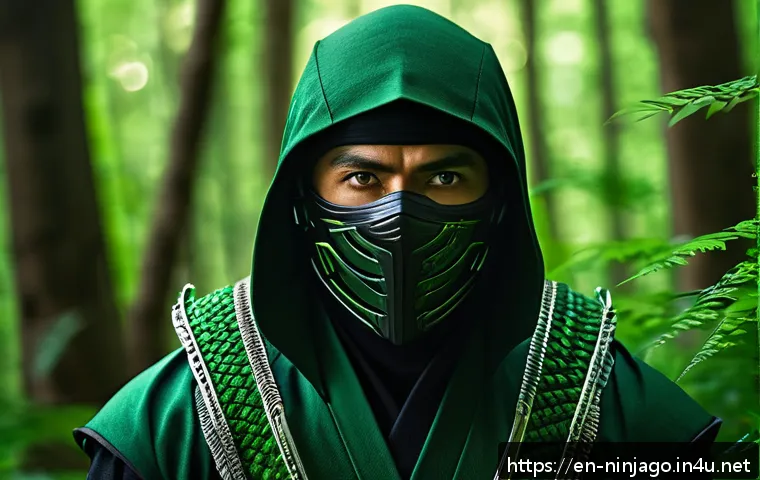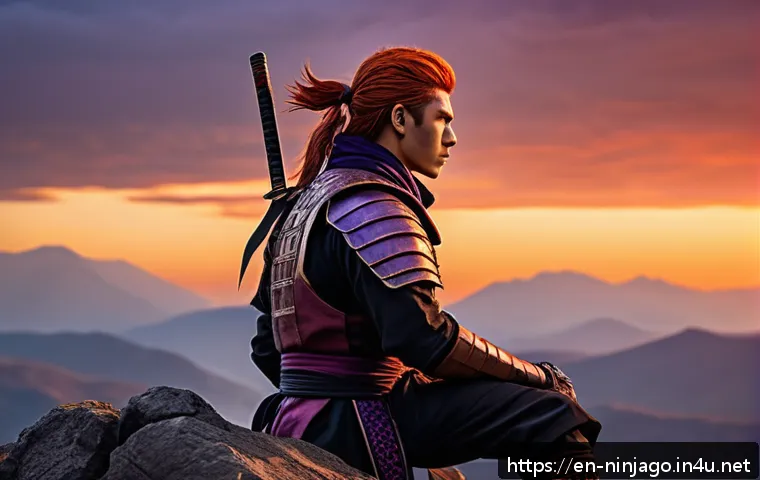
In a world where storytelling constantly evolves, Ninjago stands out by weaving timeless themes with modern twists that resonate across generations. Whether you’re a longtime fan or discovering it for the first time, its rich narrative layers offer more than just action-packed scenes—they invite us into a universe filled with heart, humor, and life lessons.
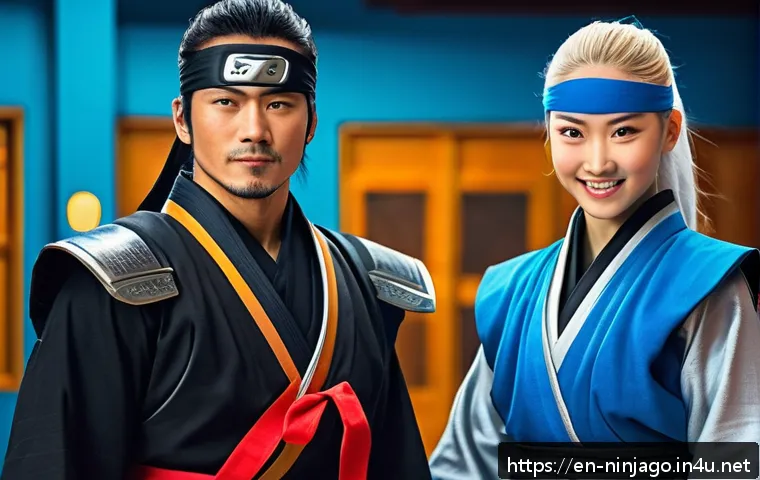
With recent episodes diving deeper into character growth and unexpected plot turns, now’s the perfect moment to explore what makes Ninjago’s storytelling truly captivating.
Stick around as we uncover the hidden depths that keep audiences hooked, no matter their age. You might just find yourself seeing Ninjago in a whole new light.
The Art of Character Evolution
From Stereotypes to Deep Personalities
Ninjago’s characters have grown far beyond the typical archetypes found in many action series. Instead of sticking to one-dimensional heroes or villains, the show invests time in fleshing out their fears, motivations, and contradictions.
For instance, Kai’s journey from a hot-headed fire ninja to a more thoughtful leader reflects real human growth. Watching him struggle with responsibility and self-doubt makes him feel relatable rather than just an action figure.
This kind of character development encourages viewers to reflect on their own challenges and growth, which is a refreshing change from more superficial storytelling.
Interpersonal Dynamics that Feel Real
One of the most compelling elements is how relationships between characters evolve naturally. Whether it’s the brotherly tension between Kai and Jay or the complex mentorship between Sensei Wu and the ninja, these dynamics are layered with humor, conflict, and genuine care.
The writers cleverly avoid cliché resolutions; instead, they show that relationships require effort and sometimes messy emotions. This approach keeps the audience emotionally invested, making every victory or setback feel earned and impactful.
Unexpected Growth Through Adversity
It’s easy to expect heroes to always be strong, but Ninjago challenges this notion by showing that vulnerability and failure are part of the journey. Characters face moral dilemmas, losses, and moments of doubt that shape their paths.
Lloyd’s transformation from a mischievous kid to the Green Ninja, burdened with the fate of Ninjago, is a perfect example. These arcs teach resilience and courage in a way that feels authentic, striking a chord with fans of all ages who face their own struggles.
Layered Storytelling Beyond Battles
Balancing Action with Emotional Depth
While the battles and martial arts choreography are a huge draw, Ninjago’s real strength lies in its ability to blend thrilling action sequences with meaningful emotional beats.
Episodes often weave in humor and lighthearted moments right before or after intense scenes, creating a rhythm that keeps viewers engaged without feeling overwhelmed.
This balance allows the story to breathe, giving characters room to express vulnerabilities and build connections, which enriches the overall narrative.
Incorporating Mythology and Modern Themes
Ninjago cleverly blends ancient myths with contemporary issues, making the story feel both timeless and relevant. Elements like elemental powers and legendary weapons are steeped in fantasy, but the show also tackles themes like identity, friendship, and leadership in ways that resonate today.
For example, the struggle to find one’s place in the world or the importance of teamwork reflects challenges that many viewers face, making the fantasy setting a backdrop for very real human experiences.
Plot Twists That Enhance, Not Confuse
Unlike some series where twists feel forced or convoluted, Ninjago uses them to deepen the story and character arcs. Surprises come not just from external threats but also internal conflicts, such as betrayals or shifts in loyalty, which add emotional weight.
These twists are carefully paced, never overwhelming the audience but instead inviting them to think critically about the characters’ choices and the consequences that follow.
World-Building That Invites Exploration
A Universe Rich in Detail
The world of Ninjago is crafted with attention to detail, from diverse locations like the bustling city of Ninjago to mystical realms filled with ancient secrets.
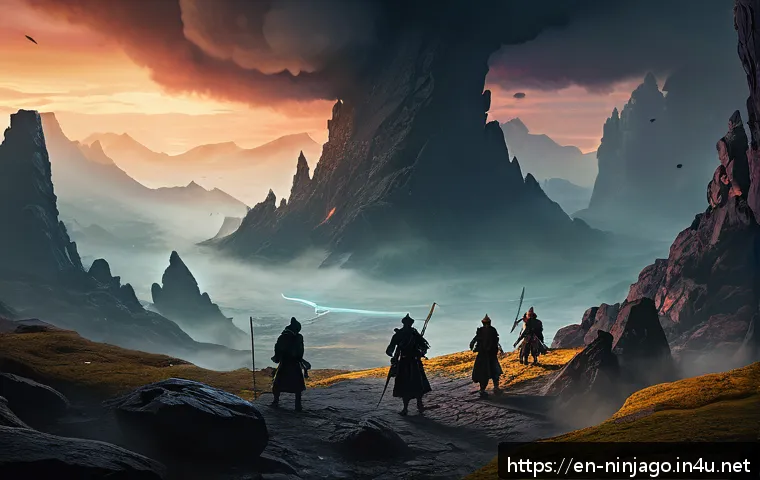
Each setting feels alive and contributes to the storytelling by reflecting the themes or character states. For example, the ominous Shadow Realm mirrors the darker moments of the plot, adding atmospheric tension that deepens immersion.
Cultural Inspirations with a Fresh Twist
Drawing inspiration from East Asian traditions and ninja lore, Ninjago reinterprets these elements with creativity, avoiding clichés. This respectful blend introduces viewers to cultural motifs while adapting them to fit the show’s unique style.
The use of elemental powers tied to nature adds a spiritual layer that enriches the lore, making the universe feel expansive and inviting repeated viewings to catch subtle details.
Interactive Fan Engagement
The creators have cultivated a community that feels connected to the world-building process. Through social media, fan theories, and exclusive content, viewers are encouraged to dive deeper into the lore and speculate about future developments.
This engagement not only sustains interest but also fosters a sense of belonging among fans, turning passive watching into an active experience.
Humor That Resonates Across Ages
Witty Dialogue and Light Moments
Even amidst intense storylines, Ninjago consistently injects humor that feels natural rather than forced. The banter between characters like Jay and Zane adds levity and charm, breaking tension without detracting from the stakes.
This humor appeals to both younger audiences and adults, making it a show that families can enjoy together.
Physical Comedy and Visual Gags
Beyond verbal humor, the show uses clever physical comedy and visual jokes that enhance character personalities. Whether it’s a clumsy ninja mishap or a funny reaction to an unexpected event, these moments add warmth and relatability.
They remind viewers that even heroes don’t have to be perfect and that laughter can be found in the most unexpected places.
Balancing Humor with Respectful Storytelling
What sets Ninjago apart is its ability to maintain humor without undermining serious themes. The jokes never feel cheap or disrespectful to the narrative’s emotional depth.
Instead, they provide a healthy balance that enriches the viewing experience, making the story feel well-rounded and emotionally satisfying.
The Role of Music and Sound in Storytelling
Dynamic Soundtracks That Set the Mood
Music in Ninjago plays a crucial role in shaping the emotional landscape of each episode. From adrenaline-pumping battle themes to softer, reflective melodies during character moments, the soundtrack enhances the storytelling by syncing perfectly with the action and mood.
This careful selection helps immerse viewers, making pivotal scenes more memorable and impactful.
Character Themes and Audio Cues
Each main character often has distinct musical motifs that underscore their personality and journey. These subtle audio cues reinforce character identity and emotional states, helping viewers connect more deeply.
For example, Lloyd’s theme evolves as he matures, mirroring his internal changes and adding a layer of storytelling through sound.
Sound Effects That Bring the World to Life
From the swish of ninja weapons to elemental powers crackling, sound effects in Ninjago are meticulously designed to heighten realism and excitement. These effects create an immersive experience that draws viewers into the battles and everyday moments alike, making the world feel tangible and alive.
Visual Storytelling and Animation Techniques
Expressive Character Animations
The animation style of Ninjago balances detailed expressions with fluid action sequences, allowing emotions to be conveyed clearly even in fast-paced scenes.
Subtle facial movements and body language add depth to character interactions, making their feelings and reactions more palpable. This attention to detail helps viewers empathize with the characters on a more personal level.
Creative Use of Color and Lighting
Color palettes shift to reflect mood and theme throughout the series. Bright, vibrant hues dominate joyful or victorious moments, while darker, muted tones take over during suspenseful or somber scenes.
Lighting effects, such as glowing elemental powers or shadowy silhouettes, enhance the atmosphere and guide viewers’ emotional responses.
Innovative Scene Composition
The show often employs dynamic camera angles and framing to heighten drama or humor. Close-ups capture intense emotions, while wide shots showcase the scale of battles or environments.
These choices make the storytelling visually engaging and support the narrative flow, ensuring that every scene has purpose and impact.
How Ninjago’s Themes Reflect Real-Life Lessons
The Power of Teamwork and Trust
At its core, Ninjago emphasizes that success comes from working together and trusting one another. Each ninja brings unique strengths, and the show illustrates how collaboration often overcomes challenges that individuals can’t face alone.
This message resonates with viewers navigating friendships, family, or work dynamics, reinforcing the value of unity.
Facing Fear and Embracing Courage
Characters frequently confront fears and uncertainties, teaching that bravery isn’t the absence of fear but acting despite it. These storylines provide subtle encouragement for viewers to face their own challenges, whether big or small, fostering resilience and self-confidence.
Growth Through Mistakes and Forgiveness
Ninjago doesn’t shy away from showing that mistakes are part of growth. Characters learn from failures and sometimes seek forgiveness, highlighting important social values.
These narratives promote empathy and understanding, encouraging viewers to be kinder to themselves and others as they navigate life’s ups and downs.
| Aspect | Example | Impact on Audience |
|---|---|---|
| Character Development | Kai’s leadership growth | Relatable emotional journey |
| Humor | Jay and Zane’s witty banter | Family-friendly entertainment |
| World-Building | Shadow Realm atmosphere | Immersive fantasy experience |
| Music | Lloyd’s evolving theme | Enhanced emotional connection |
| Visuals | Color shifts for mood | Clear emotional cues |
| Themes | Teamwork overcoming obstacles | Life lesson reinforcement |
In Conclusion
Ninjago masterfully combines rich character growth, engaging storytelling, and immersive world-building to create a series that resonates on many levels. Its balance of action, humor, and meaningful themes invites viewers of all ages to connect emotionally and reflect on their own journeys. This thoughtful approach ensures that the show remains both entertaining and impactful, standing out in the realm of animated storytelling.
Helpful Information to Keep in Mind
1. Character development in Ninjago emphasizes realistic growth, making heroes relatable beyond their powers.
2. The show’s humor is crafted to appeal to a broad audience, blending wit with physical comedy.
3. World-building includes diverse settings and cultural inspirations that add depth and invite exploration.
4. Music and sound design play a vital role in enhancing mood and character identity throughout the series.
5. Themes like teamwork, courage, and forgiveness offer valuable life lessons that resonate beyond the screen.
Key Takeaways
Ninjago stands out by delivering layered characters who evolve naturally and face authentic challenges. Its storytelling skillfully balances excitement with emotional depth, supported by detailed animation and sound design. The series fosters a strong connection with its audience through relatable themes and respectful humor, making it a meaningful and entertaining experience for viewers of all ages.
Frequently Asked Questions (FAQ) 📖
Q: uestions about Ninjago’s StorytellingQ1: What makes Ninjago’s storytelling appealing to both kids and adults?
A: Ninjago masterfully blends action with meaningful themes like friendship, courage, and growth, making it enjoyable for all ages. Kids are drawn to its exciting battles and colorful characters, while adults appreciate the deeper emotional arcs and life lessons woven throughout.
The show’s ability to evolve its narrative while maintaining humor and heart keeps viewers engaged across generations.
Q: How has Ninjago’s character development improved in recent episodes?
A: Recently, Ninjago has focused more on the inner struggles and growth of its characters, moving beyond just external conflicts. This approach gives each ninja a unique personality and backstory that viewers can relate to, making their journeys feel authentic and impactful.
Watching characters overcome personal challenges adds layers to the story, making it more than just an action series.
Q: Are there any unexpected plot twists that make Ninjago’s story unique?
A: Absolutely! Ninjago regularly surprises its audience with clever plot twists that challenge expectations. These twists often deepen the narrative, revealing hidden motives or new alliances that keep the story fresh and unpredictable.
It’s this element of surprise combined with consistent character development that makes Ninjago’s storytelling stand out.