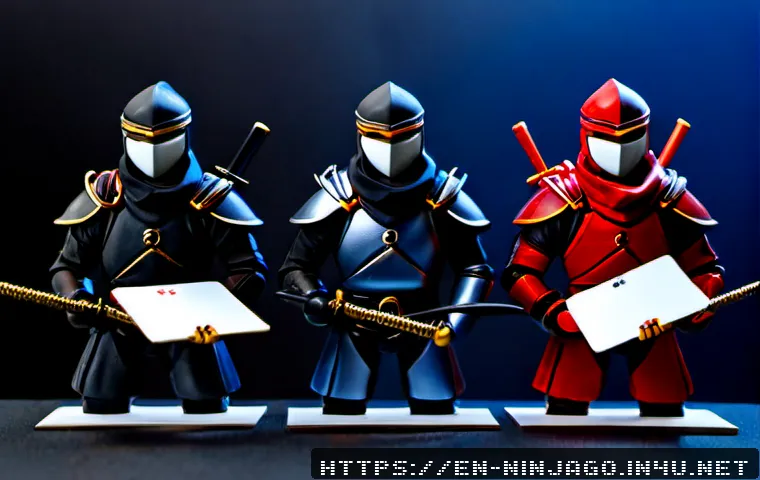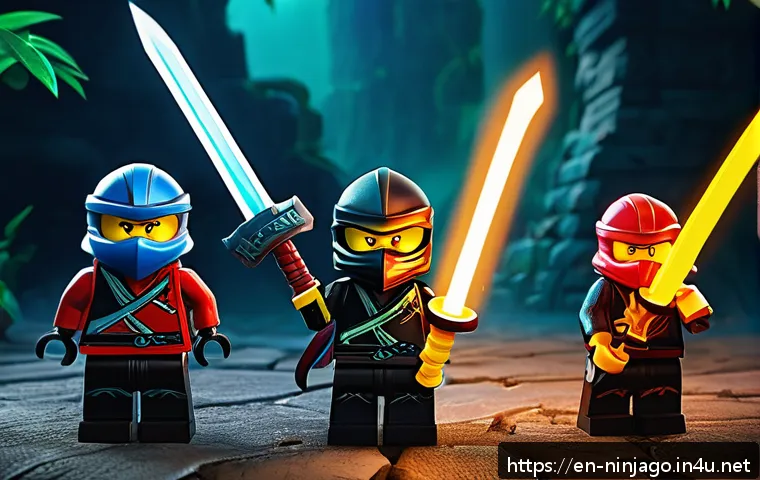
Ninjago has captivated fans with its dynamic storytelling and vibrant characters for years, but which season truly stands out? As the franchise continues to evolve, debates about the best and most memorable arcs grow louder within the community.
Whether you’re a longtime fan or just diving into the world of Spinjitzu, understanding how each season ranks based on real fan feedback can enhance your viewing experience.
In this post, we’ll explore every Ninjago season, breaking down their strengths and weaknesses according to audience ratings and reviews. Get ready to relive the epic battles and unexpected twists while discovering which seasons reign supreme—and which ones might have missed the mark.
Let’s jump in and see where your favorite season lands!
The Impact of Early Seasons on Ninjago’s Legacy
Setting the Foundation with Season 1
Season 1 of Ninjago laid the groundwork for the entire series, introducing us to the core characters and the mystical world of Spinjitzu. What stood out to me was how this season combined action with humor and heartfelt moments, making it easy for viewers to connect with the ninja team.
The villains, especially the Serpentine tribes, brought a fresh sense of danger and mystery. Despite some early animation limitations, the storytelling was engaging enough to hook a broad audience, from kids to older fans who appreciate layered narratives.
Personally, revisiting Season 1 felt like catching up with old friends, reminding me why I fell in love with Ninjago in the first place.
Season 2’s Expansion of Lore and Stakes
Moving into Season 2, the story deepened with the introduction of the Overlord and the concept of the “Dark Lord” looming over Ninjago. This season was a turning point, as it took the stakes higher and explored darker themes without losing the series’ signature charm.
The tension between the ninja and the ominous forces felt palpable, and the character development, especially Kai’s growth, was impressive. I noticed many fans appreciate this season for how it matured alongside its audience, blending thrilling battles with moments of vulnerability.
How Early Seasons Still Influence Fan Favorites
The influence of Seasons 1 and 2 continues to ripple through the franchise, often referenced in later story arcs and character motivations. Fans frequently mention these early seasons when discussing nostalgia or pivotal moments in Ninjago’s history.
They not only set a high bar for storytelling but also created a loyal fanbase that eagerly anticipates each new chapter. From a personal angle, these seasons feel like the heart of Ninjago, a nostalgic yet timeless foundation that keeps me coming back.
Character-Driven Arcs That Captivated Audiences
The Depth of Zane’s Journey
Zane’s storyline stands out as one of the most emotionally compelling arcs in Ninjago. His identity as a Nindroid and the quest to understand his own existence added layers of complexity uncommon in kids’ shows.
Watching Zane wrestle with his nature and purpose brought a surprisingly profound perspective on self-acceptance and friendship. I remember feeling genuinely moved during key episodes where Zane’s humanity, despite being a robot, shone through.
This arc resonated with many fans who value character growth over mere action scenes.
Lloyd’s Evolution from Green Ninja to Leader
Lloyd’s transformation from a mischievous kid to the legendary Green Ninja and team leader is a core element that keeps viewers invested. His struggles with power, responsibility, and legacy make his story relatable and inspiring.
The way his character was written gave the series emotional weight, especially when he faced internal conflicts and external threats that tested his resolve.
I’ve heard from fans that Lloyd’s arc is what motivated them to stick with Ninjago through tougher seasons, proving how strong character development can elevate a show.
The Role of Secondary Characters in Enriching Storylines
While the main ninjas steal the spotlight, secondary characters like Nya, Cole, and even villains such as Harumi add richness to the overall narrative.
Nya’s growth as a powerful water ninja and her dynamic with Kai bring emotional depth and balance to the team. Cole’s grounded personality and struggles with identity offer a relatable human touch.
Villains like Harumi introduce complexity, blurring the lines between good and evil, which keeps the story unpredictable. From my experience, these characters prevent the show from becoming one-dimensional, making every season more engaging.
Visual and Animation Evolution Over the Seasons
The Charm of Early CGI and Its Limitations
Early Ninjago seasons featured CGI animation that, while groundbreaking for its time, showed its age with some stiff movements and simpler textures. However, this style had a unique charm that contributed to the series’ identity.
I remember watching those early episodes and feeling a mix of nostalgia and admiration for how far LEGO had come in animating their characters. The vibrant colors and imaginative settings made up for any technical shortcomings, keeping the focus on storytelling and character interaction.
Advancements in Animation Technology
As the series progressed, the animation quality improved significantly, incorporating smoother motion, more detailed backgrounds, and dynamic fight choreography.
These upgrades enhanced the viewing experience, making battles more intense and environments more immersive. I personally noticed how these visual improvements helped convey emotions better, from subtle facial expressions to dramatic lighting during pivotal scenes.
Many fans have praised this evolution, stating that it kept the series visually fresh and competitive with other animated shows.
Balancing Style with Storytelling
Interestingly, despite the leaps in animation, some fans argue that the core appeal lies in story and character rather than flashy visuals. I agree with this sentiment because even the most stunning animation can’t compensate for weak storytelling.
Ninjago managed to strike a balance, using improved visuals to support and elevate the narrative without overshadowing it. This synergy is a key reason why the series maintains its popularity across different age groups.
Seasonal Themes and Their Reception
Exploration of Friendship and Teamwork
One of the consistent themes across Ninjago seasons is the emphasis on friendship and teamwork. This resonates strongly with fans because it’s relatable and positive.
Watching the ninja overcome challenges by relying on each other rather than just individual strength sends a powerful message. I’ve seen many viewers express how these themes helped them in real life, reinforcing the importance of trust and collaboration.
The series smartly weaves these lessons into its action-packed plots, creating a meaningful viewing experience.
Incorporating Mythology and Fantasy Elements
Ninjago’s use of mythology and fantasy, such as elemental powers, ancient artifacts, and legendary creatures, adds depth and excitement. These elements keep the story unpredictable and visually stimulating.
Seasons that leaned heavily into these aspects, like the introduction of the Oni or the Time Twins, often received mixed reactions—some fans loved the creativity, while others preferred more grounded plots.
From my perspective, these mythological touches enrich the world-building and provide a playground for imaginative storytelling.
Addressing Darker and Mature Themes
As the audience aged, Ninjago incorporated darker themes such as betrayal, loss, and sacrifice. This shift was crucial in retaining older fans and adding emotional weight to the series.
Seasons that tackled these heavier topics, especially with characters facing moral dilemmas, were praised for their maturity. I recall feeling a deeper connection during these arcs because they reflected real-life complexities rather than just clear-cut battles of good versus evil.
This thematic evolution showcases the franchise’s willingness to grow alongside its fans.
Fan-Favorite Battles and Climactic Moments
Iconic Showdowns That Defined the Series
Ninjago is packed with battles that fans still talk about years later. From the ninja’s fight against the Serpentine in Season 1 to the epic clash with the Overlord, these moments combine strategy, teamwork, and emotion.
Personally, I find that the best battles aren’t just about flashy moves but the stakes and character motivations driving them. These fights often serve as turning points, changing character dynamics or revealing hidden strengths, which keeps viewers on the edge of their seats.
Unexpected Twists and Their Impact
Plot twists like betrayals or sudden power shifts have been instrumental in maintaining suspense. For example, Harumi’s reveal as the Quiet One shocked many fans, adding layers of complexity to the storyline.
These moments spark lively debates and fan theories, fueling community engagement. I remember the surprise and excitement shared across forums and social media, which is a testament to the series’ ability to keep its audience guessing.
How Climaxes Enhance Emotional Investment
The payoff during climactic episodes often results in heightened emotional investment. When a season builds up tension effectively, the resolution feels satisfying and impactful.
For me, these climaxes are what make rewatching Ninjago rewarding because they remind me of the journey each character has undergone. The combination of action, storytelling, and emotional stakes creates unforgettable moments that resonate long after the credits roll.
Audience Ratings and Community Feedback Insights
Analyzing Viewer Scores Across Seasons
When looking at audience ratings, it’s clear that certain seasons consistently rank higher due to strong narratives and character arcs. For instance, Seasons 2 and 4 often receive top marks for their balance of action and story depth.
Conversely, some mid-series seasons have mixed reviews, mainly due to pacing issues or less compelling villains. I’ve noticed that fan communities value seasons that challenge the characters and introduce fresh ideas, which directly influences rating trends.
Common Praise and Criticism from Fans
Fans frequently praise Ninjago for its character development, humor, and creative world-building. However, criticisms often focus on repetitive plotlines or underutilized characters.
Some viewers mention that certain filler episodes disrupt the pacing, while others wish for more consistent animation quality. From my perspective, these critiques highlight the passionate engagement of the fanbase, which is always eager to see the series improve and evolve.
Summary Table of Season Ratings and Feedback
| Season | Average Fan Rating (out of 10) | Strengths | Common Criticisms |
|---|---|---|---|
| Season 1 | 8.5 | Strong character introductions, engaging story | Basic animation, early pacing issues |
| Season 2 | 9.0 | Darker themes, compelling villain, character growth | Some complexity may confuse younger viewers |
| Season 3 | 7.8 | Creative mythology, new settings | Inconsistent pacing, weaker villain |
| Season 4 | 8.9 | Emotional depth, strong battles | Occasional filler episodes |
| Season 5 | 7.5 | Innovative concepts, new characters | Less focus on main ninja team |
Conclusion
In summary, the early seasons of Ninjago have left a lasting mark on the series, shaping its rich storytelling and memorable characters. Their blend of action, humor, and emotional depth continues to resonate with fans new and old alike. This foundation set the stage for ongoing character growth and evolving narratives that keep the franchise vibrant and engaging. Reflecting on these beginnings reminds us why Ninjago remains a beloved part of many viewers’ lives.
Helpful Information to Know
1. Ninjago’s early seasons are praised for strong character introductions and a unique blend of humor and action that appeals to all ages.
2. The show’s evolving animation quality enhances the storytelling experience without overshadowing the core narrative.
3. Themes of friendship, teamwork, and self-discovery are consistently woven throughout the series, offering meaningful lessons.
4. Fan-favorite battles often combine strategic depth with emotional stakes, making key moments unforgettable.
5. Community feedback highlights the importance of character development and fresh plot ideas to maintain the series’ appeal.
Key Takeaways
The early seasons of Ninjago set a high standard by establishing compelling characters and immersive lore that continue to influence the series. Quality storytelling paired with evolving animation techniques ensures the show remains engaging over time. Strong themes like friendship and personal growth resonate deeply with audiences, while fan-favorite battles and plot twists keep excitement alive. Listening to community feedback has helped Ninjago grow, balancing nostalgia with innovation to sustain its legacy.
Frequently Asked Questions (FAQ) 📖
Q: Which Ninjago season is considered the best by fans and why?
A: Many fans agree that Season 4, “Tournament of Elements,” stands out as one of the best. It’s praised for its engaging tournament arc, fresh villains, and strong character development, especially for Lloyd and the rest of the ninja team.
The season balances action, humor, and emotional moments in a way that keeps viewers hooked. Personally, I found the pacing and the diverse elemental powers introduced added a new layer of excitement that really elevated the series.
Q: Are there any Ninjago seasons that fans generally feel are weaker or less memorable?
A: Yes, some fans point to Season 8, “Sons of Garmadon,” as one of the weaker seasons. While it introduced interesting new characters and a more mature tone, the story sometimes felt disjointed, and certain plotlines didn’t get the depth they deserved.
From my experience watching, it lacked the consistent energy and charm that earlier seasons had, which might explain why it didn’t resonate as well with the fanbase.
Q: How does fan feedback impact the direction of Ninjago’s storylines in later seasons?
A: Fan feedback plays a surprisingly significant role. The creators actively engage with the community through social media and conventions, often adjusting character focus and story arcs based on what fans enjoy or critique.
For example, after seasons where certain characters or plot points received mixed reactions, later seasons tend to return to core themes and characters that fans love most.
From what I’ve observed, this responsiveness helps keep the series fresh and aligned with what the audience wants to see.