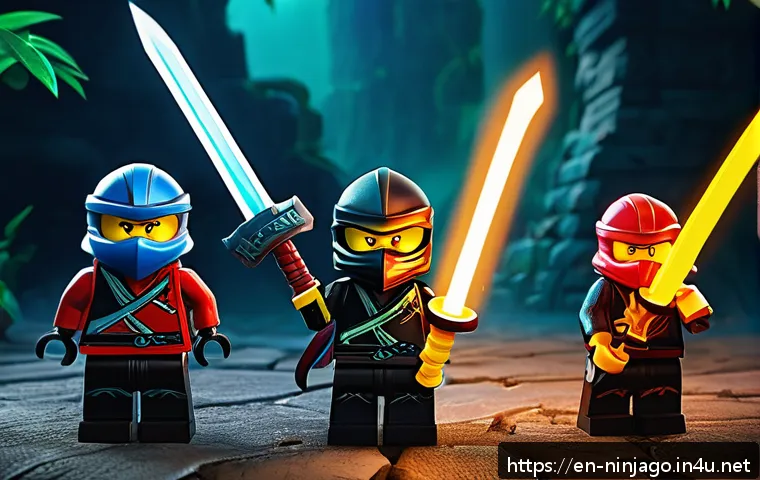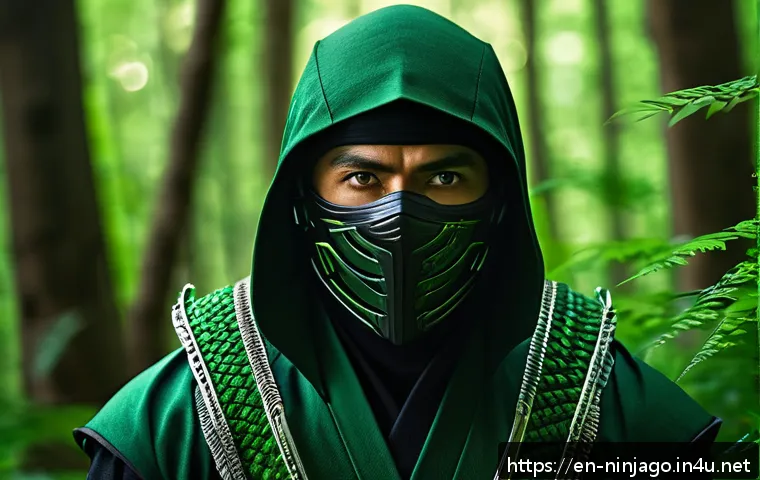
In today’s fast-paced entertainment world, character depth has become more important than ever, and Ninjago’s legendary heroes are no exception. Fans are increasingly drawn to stories where heroes are more than just fighters—they have unique personalities that shape their journeys.
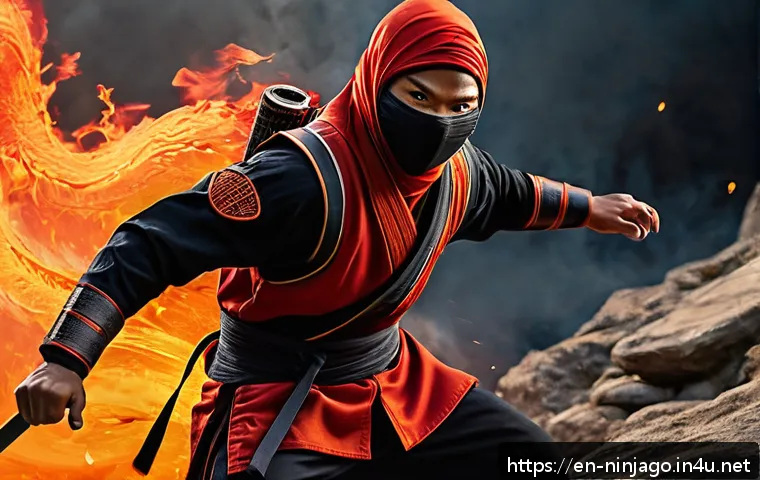
Whether you’re a long-time follower or new to the series, understanding what makes each ninja stand out adds a whole new layer of excitement. Let’s dive into the fascinating traits that define these iconic characters and see how their distinct qualities bring Ninjago’s world to life.
Get ready to discover the hidden strengths and quirks behind your favorite ninjas!
The Unseen Layers Behind the Mask
The Silent Strategist’s Mind
Lloyd isn’t just the Green Ninja with powerful elemental abilities; he carries the weight of leadership on his shoulders. What fascinates me the most is how his calm and collected nature often masks a deeply strategic thinker.
Watching him balance the expectations of being the chosen one while trying to remain relatable shows a vulnerability that’s rare in typical hero stories.
His growth isn’t just about getting stronger physically but also emotionally, as he learns to trust others and accept his own limits. This complexity makes him feel incredibly human despite his supernatural powers.
Embracing Imperfection with Humor
Kai’s fiery personality could easily pigeonhole him as a hotheaded warrior, but there’s a refreshing humor and self-awareness underneath. I’ve noticed how his quick wit and occasional clumsiness add a layer of relatability that breaks the tension during intense battles.
His journey reflects the reality that even heroes mess up sometimes, and how those mistakes can lead to growth. Kai’s ability to laugh at himself while fiercely protecting his friends keeps the story grounded and endearing.
Silent Strength and Loyal Heart
Zane’s cool and composed exterior often hides a deep well of emotion and loyalty. His identity as a Nindroid adds an existential layer to his character that I find incredibly compelling.
He constantly wrestles with what it means to be alive and to have feelings, which is a rare and thoughtful angle in a ninja saga. His quiet dedication to his friends and the team’s mission shows that true strength isn’t always loud or aggressive—it’s often about steadfast support and calm resilience.
Unexpected Flaws That Make Them Real
Struggling with Self-Doubt
Jay’s witty and outgoing personality can sometimes conceal his internal struggles with confidence. I’ve seen episodes where his self-doubt surfaces in ways that feel very authentic, reminding us that even the most upbeat heroes have moments of uncertainty.
This makes Jay a refreshing break from the invincible hero stereotype. His ability to overcome insecurities while keeping his humor intact shows a resilience that’s both inspiring and relatable.
Balancing Ambition and Teamwork
Cole’s grounded and dependable nature is a cornerstone for the team, but beneath his calm exterior lies a constant battle to balance personal ambition with the needs of the group.
His occasional moments of frustration when things don’t go as planned reveal a more human side that’s easy to empathize with. Watching Cole navigate these challenges has given me a better appreciation for how complex teamwork can be, especially when individual goals sometimes clash with collective ones.
The Price of Perfectionism
Nya’s journey as the water ninja isn’t just about mastering her powers; it’s also about overcoming the weight of perfectionism. She often pushes herself hard, which sometimes leads to burnout or feelings of isolation.
What stands out is how she learns to embrace her imperfections, showing viewers that strength also comes from vulnerability. Her arc is a powerful reminder that self-acceptance is a crucial part of growth, especially in high-pressure environments.
How Their Distinct Traits Shape Team Dynamics
Complementary Strengths and Weaknesses
Each ninja’s personality traits don’t just define them individually—they also create a dynamic interplay that keeps the team balanced. For example, Lloyd’s leadership combined with Jay’s humor and Kai’s passion makes for a well-rounded group.
Their differences sometimes lead to clashes, but these moments often drive the story forward by forcing them to grow both as individuals and as a team.
Learning from Conflict
One thing I find particularly engaging is how conflicts among the ninjas aren’t just plot devices but real opportunities for character development. The way they handle disagreements—whether through honest communication or trial and error—reflects real-world teamwork struggles.
It’s refreshing to see heroes who don’t always get along perfectly but work through their differences to achieve common goals.
Shared Values Amid Diversity
Despite their varying personalities, the ninjas share core values such as loyalty, courage, and justice. This shared foundation keeps them united, even when their methods differ.
It’s a subtle but powerful message that diverse perspectives can coexist harmoniously when grounded in mutual respect and common purpose.
The Impact of Personality on Combat Styles
Fire and Impulsiveness
Kai’s fiery spirit isn’t just a metaphor; it directly influences his aggressive combat style. His tendency to charge into battle headfirst sometimes causes trouble, but it also brings an unpredictable energy that can turn the tide.
I’ve noticed that his fighting reflects his personality perfectly—passionate, bold, and sometimes reckless.
Precision and Calm in Action
Zane’s approach to combat is methodical and precise, mirroring his calm and analytical nature. His ability to stay cool under pressure allows him to make calculated moves that often save the team.
This contrast between Kai’s impulsiveness and Zane’s cool-headedness creates a compelling dynamic in battle scenes that keeps me hooked.
Strength Rooted in Stability
Cole’s solid and dependable nature is mirrored in his combat style, which emphasizes strength and endurance. His ability to hold the line and protect his teammates makes him the backbone of the group during fights.
Watching him in action feels reassuring because his steadiness balances out the more volatile approaches of others.
Growth Through Challenges and Setbacks
Learning from Mistakes
One of the most relatable aspects of the ninjas is their willingness to learn from failure. Whether it’s a tactical error or personal misstep, each character’s growth is marked by reflection and improvement.

This ongoing development makes their victories feel earned and authentic rather than handed to them.
Adapting to New Roles
As the series progresses, ninjas often find themselves in roles they didn’t expect—leaders, mentors, or even students again. Watching characters like Lloyd evolve from a hesitant hero to a confident leader feels rewarding because it’s grounded in believable challenges and growth moments.
Emotional Resilience
Beyond physical battles, the ninjas face emotional hurdles that test their resilience. Coping with loss, fear, or self-doubt adds depth to their characters and makes their triumphs more meaningful.
This emotional complexity is a big part of why I keep coming back to the series; it’s not just about cool fights but real human experiences.
Table: Quick Personality Snapshot of Main Ninjago Heroes
| Ninja | Core Trait | Combat Style | Key Strength | Notable Flaw |
|---|---|---|---|---|
| Lloyd | Leadership & Strategy | Elemental Mastery (Green Energy) | Calm under pressure | Self-doubt |
| Kai | Passion & Humor | Fire-based aggressive combat | Fearlessness | Impulsiveness |
| Zane | Calm & Analytical | Precision & technology-based fighting | Steadfast loyalty | Struggles with identity |
| Jay | Witty & Outgoing | Electric attacks & agility | Creativity | Insecurity |
| Cole | Dependable & Strong | Earth-based power & endurance | Reliability | Balancing ambition |
| Nya | Determined & Perfectionist | Water manipulation & adaptability | Self-discipline | Pressure to be perfect |
How Personality Shapes Fan Connections
Relatability Through Flaws
What really hooks me—and many other fans—is how the ninjas’ flaws make them feel more approachable. Nobody’s perfect, and seeing heroes stumble or question themselves makes the story resonate on a personal level.
It reminds us that heroism isn’t about being flawless but about rising despite imperfections.
Inspiration from Growth Arcs
The ninjas’ journeys are packed with lessons on perseverance, friendship, and self-discovery. These themes strike a chord because they mirror real-life challenges.
I’ve found myself inspired by their willingness to evolve, which encourages me to tackle my own obstacles with a bit more courage and patience.
Community and Identity
Fans often identify with specific ninjas based on shared personality traits or values. This creates a vibrant community where people celebrate their favorite characters’ quirks and strengths.
It’s amazing how a fictional team can foster such a sense of belonging and motivate positive conversations about growth and teamwork.
The Role of Humor and Lightheartedness
Breaking Tension with Wit
One thing that stands out about the ninjas is how humor is woven into their interactions. Whether it’s Jay’s jokes or Kai’s sarcastic remarks, these moments of levity make the story enjoyable and prevent it from feeling too heavy.
The humor also humanizes the characters, making them feel like real people rather than distant heroes.
Building Bonds Through Banter
The playful teasing and friendly rivalry between the ninjas add depth to their relationships. I’ve noticed that these lighthearted exchanges strengthen the team’s bond and make their cooperation in battle feel earned rather than forced.
It’s a subtle but effective way to show that friendship thrives even amid challenges.
Humor as a Coping Mechanism
Sometimes, humor serves as a way for characters to deal with fear or uncertainty. This coping mechanism is relatable because many of us use laughter to navigate tough situations.
Seeing the ninjas do the same adds a layer of emotional realism to the series, reminding us that even heroes need a little comic relief.
In Closing
The depth and individuality of each ninja enrich the story far beyond simple heroics. Their unique personalities, struggles, and growth make them relatable and inspiring. This blend of strengths and flaws creates a compelling narrative that resonates with audiences of all ages. Ultimately, it’s their humanity that makes their journey unforgettable.
Helpful Insights
1. Understanding each ninja’s distinct traits helps appreciate how they contribute to the team’s success and challenges.
2. Recognizing the role of humor reveals how lighthearted moments enhance character bonds and story enjoyment.
3. Observing their growth through setbacks highlights the importance of resilience and learning from mistakes.
4. Seeing how conflicts drive development shows that teamwork requires patience and honest communication.
5. Relating to their imperfections encourages viewers to embrace their own vulnerabilities as part of personal growth.
Key Takeaways
Each ninja’s personality shapes not only their combat style but also the team’s dynamics, creating a balanced and engaging group. Their flaws and emotional struggles make them accessible and authentic, reinforcing that heroism involves growth, resilience, and connection. Humor and shared values strengthen their bonds, demonstrating that even diverse individuals can unite toward a common purpose.
Frequently Asked Questions (FAQ) 📖
Q: What makes the Ninjago heroes’ personalities stand out compared to typical action characters?
A: Unlike many traditional action heroes who often fit a single archetype, Ninjago’s ninjas each have distinct, well-rounded personalities that influence their decisions and growth.
For example, Lloyd is not just a powerful Green Ninja but also struggles with leadership and self-doubt, making him relatable and inspiring. This depth adds emotional layers to their battles, allowing fans to connect beyond just the action sequences.
Q: How do the unique traits of each ninja affect the storyline in Ninjago?
A: Each ninja’s individual traits directly impact the plot and team dynamics. Jay’s humor lightens tense moments, while Kai’s fiery determination drives many pivotal missions.
These differences create natural conflicts and alliances that keep the story engaging and unpredictable. Their personalities shape how they face challenges and evolve, making the narrative feel alive and authentic.
Q: Why is character depth important for a series like Ninjago in today’s entertainment landscape?
A: In an era where audiences crave more than surface-level heroics, character depth offers a richer experience. It encourages viewers to invest emotionally, fostering loyalty and excitement.
For Ninjago, this means heroes aren’t just fighters but individuals with fears, dreams, and growth arcs. This complexity makes the series stand out and keeps fans coming back season after season.