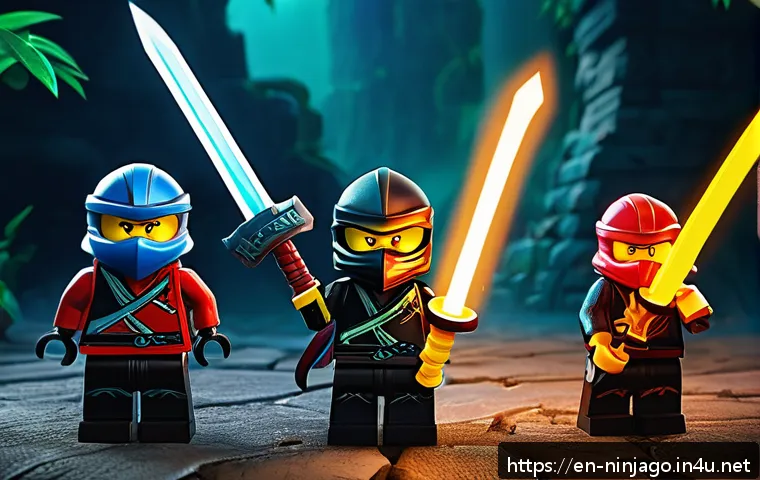
Lloyd and Garmadon are NINJAGO’s most important family rivalry, while Wu and Garmadon provide the core legacy conflict. For early team tension, Kai and Lloyd matter most; for a Green Ninja legacy threat, Morro is the key character.
These distinctions help fans choose a story arc, character-focused minifigure collection, or LEGO NINJAGO gift without assuming every disagreement is a permanent feud.
The best choice depends on the viewer’s preferred version of NINJAGO, favorite character, and comfort with betrayal or family-based drama. Before buying a set or selecting episodes, check which characters are actually featured.
Current availability, included minifigures, and retailer pricing can vary.
At a Glance
- Family conflict: Lloyd and Garmadon combine a father-and-son story with a larger good-versus-evil conflict.
- Classic lore: Wu and Garmadon are brothers whose opposing paths shape early NINJAGO mythology.
- Team and legacy tension: Kai, Lloyd, Morro, Jay, Cole, and Nya show that competition and disagreement are not always lasting rivalries.
| Characters | Conflict Type | Story Importance | Set or Gift-Shopping Angle |
|---|---|---|---|
| Lloyd and Garmadon | Family conflict; good versus evil | Central character drama | Look for Lloyd and Garmadon character focus or opposing minifigures. |
| Wu and Garmadon | Brotherhood; opposing paths | Foundational early mythology | Useful for fans who want classic lore and mentor-focused stories. |
| Kai and Lloyd | Leadership expectation and role tension | Important early team dynamic | Choose ninja team sets when a buyer wants multiple heroes together. |
| Lloyd and Morro | Green Ninja legacy | Major antagonist connection | Compare character focus if the recipient prefers legacy-based conflicts. |
| Jay, Cole, and Nya | Relationship subplot and team tension | Secondary to teamwork | Better for fans who enjoy the full ninja group rather than a villain matchup. |
The Quick Answer: NINJAGO’s Most Important Rivalries
If one NINJAGO rivalry stands above the others, it is Lloyd and Garmadon. Their conflict works on two levels: Garmadon is Lloyd’s father, and their story also carries a larger good-versus-evil meaning. That combination gives the rivalry emotional weight beyond a standard hero-versus-villain matchup.
Lloyd and Garmadon: The Central Family Conflict
Lloyd and Garmadon are the strongest pick for viewers who want personal stakes alongside major conflict. A gift buyer choosing between character-focused LEGO NINJAGO options can use this as a simple filter: look for a set, minifigure selection, or story release that clearly features both characters if the goal is a dramatic rivalry display.
Important: character focus can change by season, special, film, or spin-off. Do not assume that every Lloyd or Garmadon product centers on their father-and-son conflict.
Wu and Garmadon: Brothers on Opposing Paths
Wu and Garmadon offer a different kind of high-stakes conflict. They are brothers, and their opposing paths are central to early NINJAGO mythology. This makes them a strong choice for fans who enjoy lore, mentors, origins, and the history behind the ninja world.
For a collector, this rivalry may be more appealing than a simple battle scene because it connects to the larger background of NINJAGO. Check whether a product emphasizes Wu, Garmadon, or early-story mythology before treating it as a direct rivalry-themed purchase.
Why Rivalry Labels Can Change Across Seasons
“Rival” is a useful fan term, but it can become misleading when it is used too broadly. Some NINJAGO conflicts last across major story arcs, while others are temporary friction, a relationship subplot, or a challenge inside the team. The same characters may be allies, opponents, or uneasy partners depending on the version and story being discussed.
A practical rule is simple: separate long-term antagonist conflicts from short-term team tension. This prevents a common mistake when choosing episodes or buying a character-based gift for someone who has a specific favorite era.
Compare the Major Conflicts by Story Role and Emotional Stakes
The best rivalry is not automatically the biggest fight. Some viewers want family drama, some prefer classic mythology, and others want a lighter team-based story. Comparing the role of the conflict makes choosing episodes, minifigures, or a LEGO set more straightforward.
Family Conflict, Leadership Tension, Legacy, and Betrayal
Lloyd and Garmadon represent family conflict. Wu and Garmadon represent legacy and opposing paths. Kai and Lloyd reflect leadership tension, because Kai initially expects to become the Green Ninja before Lloyd is chosen. Morro is tied to the legacy of the Green Ninja as a former student of Wu and a major antagonist.
Harumi adds another emotional category: trust, betrayal, and conflicting goals. She becomes one of Lloyd’s most significant adversaries, so her story may suit fans who prefer a more personal conflict rather than a straightforward hero-versus-villain setup.
A Simple Comparison Table for Viewers and Collectors
The table above is most useful before a purchase decision. Start with the recipient’s favorite character, then identify whether they prefer a villain matchup, a full ninja team, or lore connected to the Green Ninja. After that, compare the featured characters and included minifigures rather than relying on the product name alone.
Which Rivalries Work Best for New Viewers
For a new viewer, Lloyd and Garmadon are usually the clearest entry point because the family and larger moral conflict are easy to recognize. Wu and Garmadon work well for someone interested in the roots of NINJAGO mythology. Team-focused stories can be a gentler choice for viewers who mainly want the ninja group working together.
Parent note: a child’s comfort level matters more than a rivalry label. Family conflict, betrayal, and villain-centered stories may feel more intense than group action, even when all of them belong to the same franchise.
Kai, Lloyd, and Morro: Leadership and Green Ninja Legacy
Kai, Lloyd, and Morro are connected by expectations around the Green Ninja role, but they do not represent the same kind of conflict. This is one of the easiest areas for fans and gift buyers to oversimplify.
Kai’s Early Expectations and Lloyd’s Role
Kai initially expects to become the Green Ninja. When Lloyd is chosen for that role, it creates early tension. That tension is meaningful because it involves identity, leadership, and expectations within the ninja group.
However, Kai and Lloyd should not be treated as permanent enemies. Their dynamic belongs within a larger team story. A LEGO NINJAGO set with both characters may be ideal for a fan who enjoys the ninja group, but it does not automatically represent a lasting Kai-versus-Lloyd rivalry.
Morro’s Connection to the Green Ninja Legacy
Morro is a former student of Wu and a major antagonist connected to the legacy of the Green Ninja. For fans drawn to the question of who carries that legacy, Morro provides a more direct antagonist angle than Kai’s early disappointment.
When browsing character-focused minifigures or story-based gifts, use Green Ninja legacy as the selection theme. Then confirm whether the item actually includes the relevant character or is tied to the preferred story arc.
Avoid Confusing Competition with Lasting Hostility
Competition, disappointment, and leadership tension can create memorable scenes without becoming permanent hostility. This matters for collectors, too. A display centered on hero-versus-villain conflict calls for a different character pairing than a set intended to represent the whole ninja team.
Relationship and Team Tension: Jay, Cole, Nya, and the Ninja Team
Jay and Cole have a past rivalry involving Nya, but their relationship is primarily portrayed as teamwork within the ninja group. This is a useful example of why not every conflict should be marketed or remembered as a major ongoing feud.
When a Subplot Creates Conflict Without Replacing Teamwork
The Jay, Cole, and Nya dynamic can add personal tension to a group story. Yet the broader context remains the ninja team. For viewers who prefer character interaction without a central villain rivalry, this type of subplot can be more appealing than a family-based conflict.
How Group Dynamics Evolve After a Disagreement
A disagreement does not erase the team’s shared role. When comparing episodes or character collections, look at whether the appeal is the group dynamic or one specific conflict. A multi-character LEGO NINJAGO set may be a better fit for a fan who values teamwork, vehicles, or shared action scenes.
What Parents Should Consider When Selecting Story-Focused Content
Use a short checklist before choosing a story-focused gift:
- Does the child prefer team action or a more personal character conflict?
- Would family tension, betrayal, or an antagonist-focused plot feel comfortable?
- Is the child already familiar with the relevant NINJAGO season, special, film, or spin-off?
- Does the set feature the character they actually recognize and enjoy?
These questions keep the choice focused on the recipient rather than on a vague claim that one rivalry is “best.”
How to Choose Episodes, Sets, or Gifts Around Favorite Characters
A character rivalry can be a good starting point, but it should not be the only buying criterion. The strongest choice connects the fan’s favorite characters with the intended use: watching, playing, displaying, or collecting.
Check the Featured Characters Before Buying
First, confirm the characters shown or included. A product may feature Lloyd without Garmadon, or include the ninja team without centering Kai’s early leadership tension. If the gift is meant to represent a particular conflict, character focus comes first.
Compare Minifigure Selection, Build Complexity, and Current Price
For a LEGO NINJAGO set, compare the included minifigure selection, the apparent build complexity, and current retailer pricing. Availability can change, and regional releases may differ. For a minifigure collector, the character lineup may matter more than the size of the build.
For episodes or story releases, compare the story arc and version of NINJAGO rather than assuming a familiar character always has the same role.
Match the Set to Display, Play, or Collection Goals
A display-oriented choice may emphasize a favorite hero, villain, or character pairing. A play-oriented choice may work better with multiple ninja and a wider group setting. A collection-oriented choice should prioritize the specific minifigures that the recipient wants.
Before purchasing, compare character focus, included minifigures, build style, and current retailer pricing on the relevant product page.
Selection Criteria and Comparison Summary
Use these final checks when narrowing down a NINJAGO story arc, set, or gift:
- Choose Lloyd and Garmadon for high-stakes family drama and a major good-versus-evil conflict.
- Choose Wu and Garmadon for classic NINJAGO lore, brotherhood, and early mythology.
- Choose Kai and Lloyd for early leadership expectations within the ninja team.
- Choose Lloyd and Morro for a Green Ninja legacy-focused antagonist story.
- Choose team-focused stories for lighter conflict, group action, and the broader ninja dynamic.
- Compare character focus, included minifigures, build complexity, and current retailer pricing before making a final choice.
For official details and current purchase conditions, check the relevant product or retailer page.
Closing Thoughts
NINJAGO rivalries are most useful when they help explain what kind of story a fan enjoys. Lloyd and Garmadon offer the biggest family conflict, while Wu and Garmadon bring classic mythology into focus. Kai, Morro, Jay, Cole, and Nya add leadership, legacy, relationship, and team-based layers. The best gift or viewing choice is the one that matches a favorite character and the preferred style of conflict.
Useful Information to Keep in Mind
Tip 1: Separate a long-term antagonist from a teammate who has temporary tension.
Tip 2: Check the exact NINJAGO season, special, film, or spin-off before comparing plotlines.
Tip 3: For a character-focused LEGO gift, verify the included minifigures instead of relying only on box art or a general theme.
Tip 4: A fan theory is not the same as confirmed story information.
Important Notes
Character dynamics can shift across NINJAGO seasons, specials, films, and spin-offs. The “best” rivalry is subjective and depends on the viewer’s preferred version, favorite character, and story preferences. Specific set availability, retail pricing, included minifigures, and regional release dates may change, so confirm current details before purchasing.
Frequently Asked Questions
Q1. Who is Lloyd’s biggest rival in NINJAGO?
A1. Garmadon is Lloyd’s most important rivalry because he is Lloyd’s father and their conflict also carries a larger good-versus-evil role. Harumi is also one of Lloyd’s most significant adversaries, shaped by trust, betrayal, and conflicting goals.
Q2. Are Kai and Lloyd enemies or teammates?
A2. Kai and Lloyd are teammates. Kai’s early expectation that he would become the Green Ninja creates tension when Lloyd is chosen, but that does not make them permanent enemies.
Q3. Which NINJAGO sets are best for fans who collect character-focused minifigures?
A3. Start with the fan’s favorite rivalry or character pairing, then compare the included minifigures and current availability. Lloyd and Garmadon suit family-conflict collectors, Wu and Garmadon suit classic-lore fans, and multi-character ninja sets can suit collectors who prefer team dynamics.