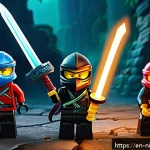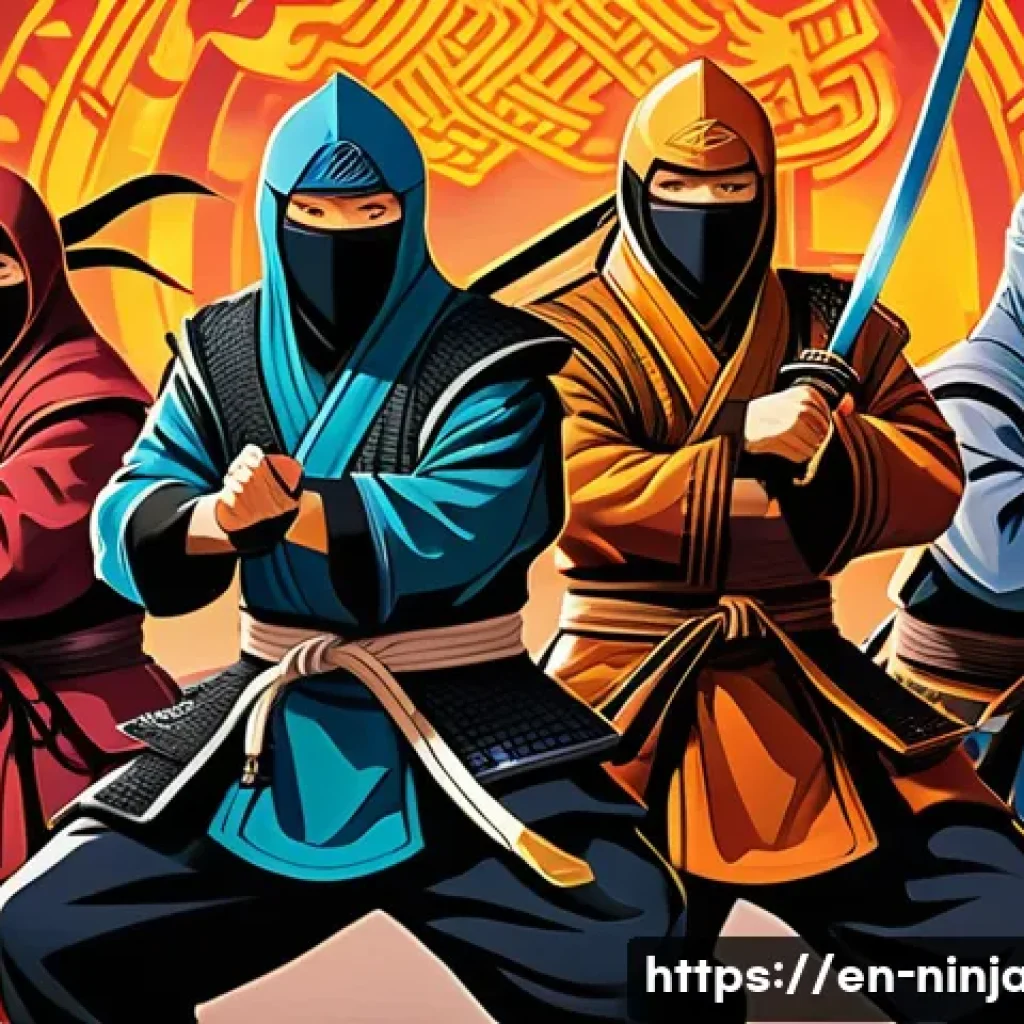
Ninjago has captured the imaginations of fans worldwide with its thrilling adventures and unique characters. But have you ever wondered where the original idea for this iconic series came from?
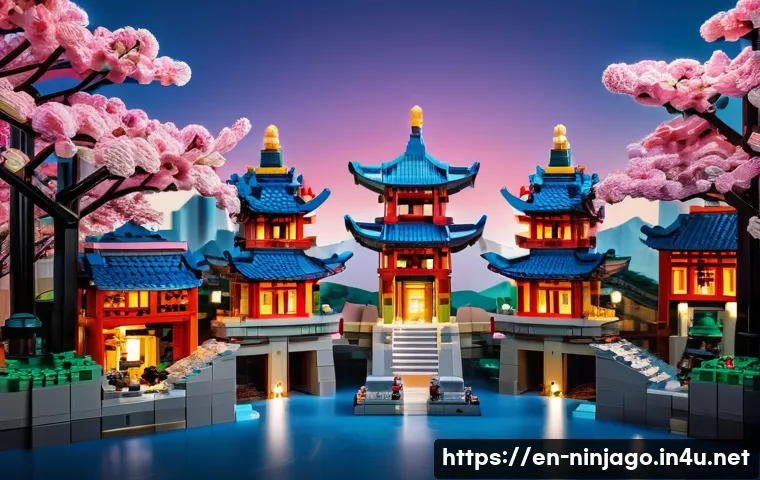
The inspiration behind Ninjago blends ancient mythology, martial arts, and modern storytelling in a way that feels fresh yet deeply rooted. Understanding its creative origins gives us a richer appreciation for the world and characters we love.
If you’re curious about the fascinating backstory and creative sparks that led to Ninjago’s birth, let’s dive in and explore it in detail!
The Blend of Ancient Legends and Modern Creativity
Roots in Eastern Mythology
The core of Ninjago’s inspiration draws heavily from Eastern mythology, particularly the rich tapestry of Japanese and Chinese folklore. The creators took classic elements like elemental powers, mythical creatures, and legendary warriors and reimagined them within a contemporary framework.
This fusion gave the series an authentic vibe without feeling outdated or overly traditional. The ninja characters, for instance, are not just martial artists but also guardians of ancient elemental forces, a concept that resonates deeply with centuries-old stories about nature spirits and mystical guardians.
This connection adds layers to the narrative that fans might not immediately notice but definitely feel on a subconscious level.
Martial Arts as a Cultural Backbone
Martial arts are not only central to the action scenes but also serve as a cultural anchor for Ninjago’s world. The choreography of fights and the philosophy behind the characters’ training regimes borrow from disciplines like kung fu, ninjutsu, and tai chi.
This isn’t just for show—there’s a genuine respect for the traditions and mental discipline that these arts represent. From the way the characters meditate to how they use their weapons, every aspect reflects a real-world martial arts ethos.
Having practiced martial arts myself, I can tell you that this attention to detail makes the fight scenes feel much more immersive and believable.
Storytelling with a Contemporary Twist
While the foundation is steeped in tradition, the storytelling is unmistakably modern. The creators understood that to captivate today’s audiences, they needed relatable characters, humor, and plotlines that reflect current themes like friendship, identity, and resilience.
The blend of serialized storytelling with episodic adventures keeps things fresh and engaging. It’s a smart balance that allows for character growth without overwhelming casual viewers.
Personally, I found that this approach made the series not just entertaining but emotionally resonant, which is why it holds up well even after multiple seasons.
Character Inspirations and Development
Drawing from Archetypal Heroes
The Ninjago characters were designed with a nod to classic hero archetypes but given unique personalities and struggles. For example, the wise mentor figure echoes the traditional “sensei” role seen in many martial arts stories, but with quirks and depth that prevent him from being a one-dimensional trope.
The young ninjas each embody different traits—courage, wisdom, loyalty, and humor—that create a dynamic team. This diversity not only reflects different aspects of heroism but also allows viewers of all ages to identify with someone on the team.
Influence of Pop Culture and Media
The creators also looked to contemporary pop culture for inspiration. Elements from comic books, video games, and even blockbuster films are subtly woven into the fabric of Ninjago.
This mix helps the series appeal to a wide audience, from kids who love action-packed sequences to adults who appreciate clever references and layered storytelling.
I noticed that many fans enjoy spotting these Easter eggs, which adds an interactive dimension to watching the show.
Evolution Through Fan Feedback
Interestingly, the characters have evolved over time partly because of fan input. The production team actively engaged with their audience, which influenced character arcs and story directions.
This dialogue between creators and fans is somewhat rare in animated series and contributed to Ninjago’s longevity and popularity. As a viewer, it’s exciting to see how the characters grow not just on screen but through the community’s passion and feedback.
The Role of Elemental Powers in World-Building
Symbolism Behind the Elements
The elemental powers in Ninjago—fire, ice, earth, lightning, and more—are not just flashy abilities but carry symbolic weight. Each element represents specific virtues and challenges, such as fire symbolizing passion and destruction or ice reflecting calmness and resilience.
This symbolism enriches the story by giving each character’s journey a metaphorical dimension. When you watch the show with this in mind, the battles and personal struggles take on a deeper meaning.
Creative Use of Powers in Plot Development
From a storytelling perspective, the elemental powers are cleverly integrated into plot twists and character growth. They’re not overused but come into play at crucial moments, keeping the tension high and the narrative engaging.
The way powers evolve also mirrors the characters’ internal development, which makes for a satisfying viewing experience. Having followed the series closely, I can say that this thoughtful approach keeps the show from becoming repetitive or predictable.
Balancing Fantasy with Realism
Despite the fantastical elements, the show maintains a certain level of realism in how powers affect the environment and the characters’ physical limits.
This balance helps maintain suspension of disbelief. For example, characters don’t just blast fireballs endlessly; they have to strategize, conserve energy, and sometimes face consequences for overusing their abilities.
This grounded approach makes the world feel lived-in and believable, enhancing overall immersion.
Influence of LEGO’s Legacy on Story and Design
From Toy Concepts to Narrative
Ninjago’s origins are inseparable from LEGO’s legacy as a toy company. The initial concept was inspired by the idea of creating a line of ninja-themed LEGO sets, which naturally influenced the storytelling.
The need to showcase different vehicles, weapons, and playsets encouraged the creators to build a rich, expandable world that could grow alongside the product line.
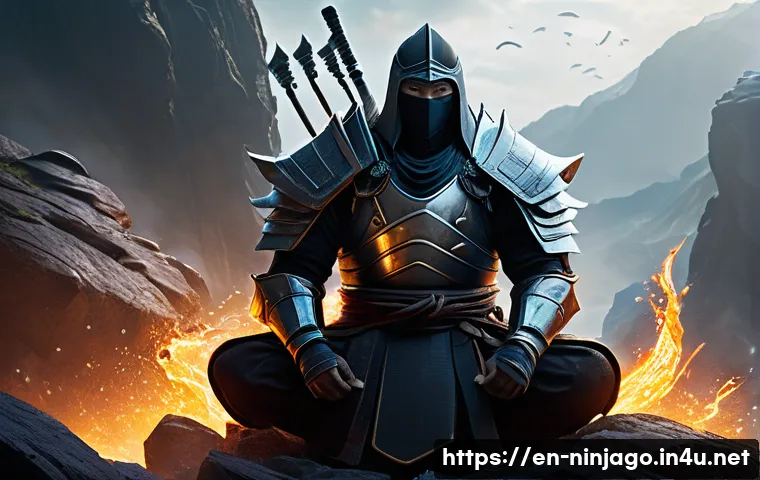
This synergy between toys and narrative is a key reason for Ninjago’s commercial success.
Visual Design Reflecting Playability
The visual style of characters and environments was designed with playability in mind. The blocky, modular aesthetic of LEGO bricks translates into character designs that are instantly recognizable and easy to replicate in physical form.
This connection enhances fan engagement because viewers can bring the story into their own hands through building and customizing sets. Personally, I found that having the physical models added a new layer of enjoyment when watching the show.
Collaborative Development Between Designers and Writers
Behind the scenes, there was close collaboration between LEGO designers and the story team to ensure consistency and innovation. This teamwork allowed for creative ideas to be tested both in narrative form and as tangible products, resulting in a cohesive universe.
The process is somewhat unique in the entertainment industry and highlights how Ninjago is more than just a show—it’s a multimedia experience.
Impact of Global Cultures on Ninjago’s World
Incorporation of Diverse Cultural Elements
Although rooted in Eastern traditions, Ninjago doesn’t limit itself to one cultural perspective. The series incorporates motifs, philosophies, and aesthetics from various global cultures to create a rich, multicultural world.
This includes architectural styles, language influences, and symbolic references that go beyond the ninja trope. This diversity enriches the storytelling and makes the universe more relatable to an international audience.
Respectful Cultural Adaptation
What stands out is the respectful approach to cultural elements, avoiding stereotypes or superficial portrayals. The creators clearly did their homework, consulting experts and drawing inspiration carefully to avoid cultural misappropriation.
This conscientiousness adds credibility and earns respect from fans who appreciate authenticity.
Global Fanbase and Cultural Exchange
The diverse cultural influences also help explain why Ninjago has such a broad global fanbase. Fans from different regions find familiar elements woven into the story, which fosters a sense of inclusion and cultural exchange.
I’ve noticed this firsthand in fan communities where discussions often touch on how various traditions are represented and celebrated in the show.
Technological Advances and Storytelling Innovation
Use of CGI and Animation Techniques
Ninjago was among the early LEGO series to embrace advanced CGI animation, which allowed for dynamic action sequences and detailed environments. The fluidity of movement and expressive character animations bring the ninja battles to life in a way that traditional animation might struggle to achieve.
This technical edge contributes significantly to the show’s appeal, especially for younger viewers who expect high-quality visuals.
Interactive Digital Experiences
Beyond the TV series, the Ninjago franchise expanded into interactive digital experiences, including video games and mobile apps. These platforms let fans engage with the story and characters on a deeper level, often influencing narrative elements or unlocking new content.
Having tried some of these games myself, I can say they complement the show well and keep fans invested between seasons.
Innovations in Story Structure
Technological tools also enabled innovative storytelling structures, such as multi-episode arcs, flashbacks, and parallel plotlines, which add complexity and richness.
This approach reflects a modern understanding of audience preferences for serialized content that rewards long-term engagement without sacrificing accessibility.
| Aspect | Source of Inspiration | Impact on Ninjago |
|---|---|---|
| Eastern Mythology | Japanese and Chinese folklore | Elemental powers, mystical guardians, authentic world-building |
| Martial Arts | Kung fu, ninjutsu, tai chi | Realistic fight choreography, mental discipline, character depth |
| Pop Culture | Comics, video games, blockbuster films | Relatable characters, humor, layered storytelling |
| LEGO Legacy | Toy design and playsets | Visual style, product integration, multimedia experience |
| Global Cultures | Diverse architectural and symbolic motifs | Multicultural world, inclusive storytelling |
| Technology | CGI animation, digital platforms | Dynamic visuals, interactive fan engagement, complex narratives |
In Conclusion
Ninjago masterfully blends ancient traditions with modern storytelling, creating a vibrant world that appeals to fans of all ages. Its rich cultural roots, combined with innovative animation and interactive elements, make it a standout series in today’s entertainment landscape. The thoughtful character development and diverse influences ensure it remains engaging and meaningful across seasons.
Useful Information to Keep in Mind
1. Ninjago’s elemental powers are symbolic, representing virtues and personal challenges beyond just flashy abilities.
2. The martial arts choreography reflects real-world disciplines, adding authenticity to the fight scenes.
3. The series balances serialized story arcs with standalone episodes, making it accessible for new and returning viewers.
4. LEGO’s design heritage shapes the visual style and playability, enhancing fan engagement beyond the screen.
5. Fan feedback has played a significant role in evolving characters and storylines, showing a unique creator-audience relationship.
Key Takeaways
Ninjago’s success lies in its respectful integration of diverse cultural elements and martial arts philosophy, combined with cutting-edge CGI and interactive digital experiences. The franchise’s ability to evolve through fan interaction and maintain narrative depth while being tied to LEGO’s toy legacy makes it both a creative and commercial triumph. This thoughtful blend ensures Ninjago remains a beloved and immersive universe for a global audience.
Frequently Asked Questions (FAQ) 📖
Q: What inspired the creation of Ninjago’s storyline and characters?
A: Ninjago’s storyline and characters were inspired by a blend of ancient Asian mythology, traditional martial arts, and contemporary storytelling techniques.
The creators wanted to craft a world that felt both timeless and relatable, combining the mystique of ninja legends with modern themes of friendship, courage, and adventure.
This mix allows fans to connect with the characters on many levels, from their heroic battles to their personal growth journeys.
Q: How did martial arts influence the design and action in Ninjago?
A: Martial arts are at the heart of Ninjago’s action and character design. The creators drew heavily from various disciplines like kung fu and ninjutsu to shape the fighting styles and philosophies of each ninja.
This authentic influence not only makes the battles visually exciting but also adds depth to the characters, who embody specific martial arts principles such as discipline, balance, and resilience.
As someone who’s practiced martial arts myself, I can tell it really shows in the fluidity and intensity of the fight scenes.
Q: Why does Ninjago resonate so well with both kids and adults?
A: Ninjago strikes a perfect balance between action-packed adventure and meaningful storytelling, which appeals to all ages. For kids, the colorful characters, cool ninja powers, and exciting battles are incredibly engaging.
For adults, the show offers layers of mythology, moral lessons, and character development that add substance beyond just entertainment. Personally, I find that revisiting Ninjago brings back a sense of nostalgia while still offering fresh, thoughtful narratives that keep me hooked.