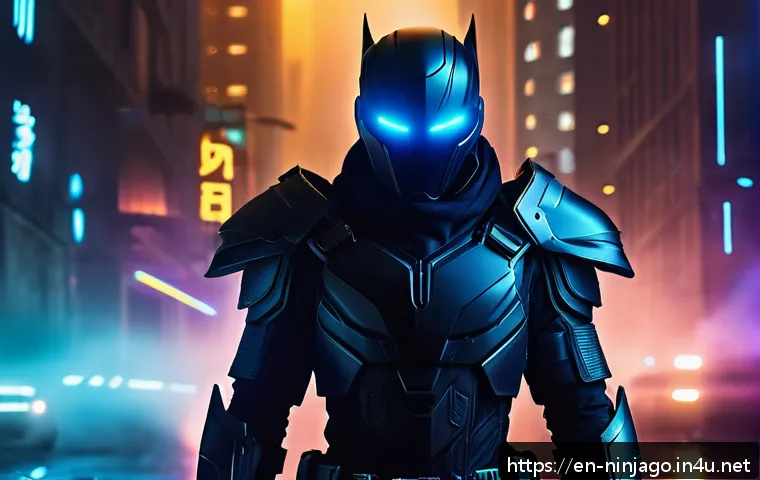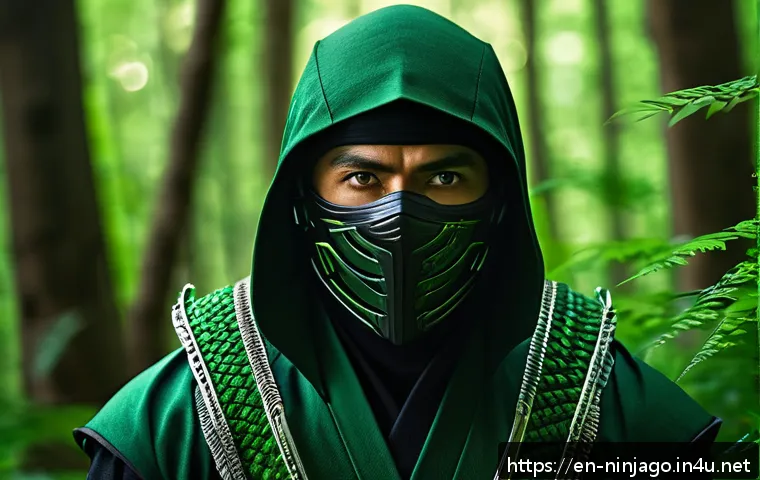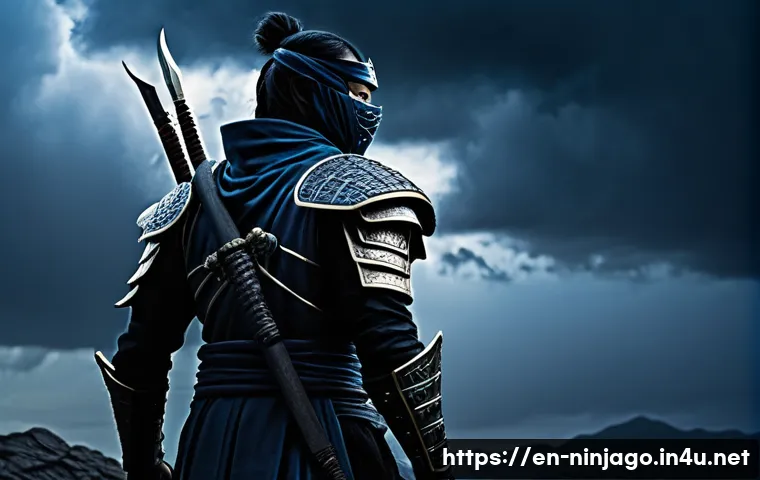
Every villain has a story, and in the world of Ninjago, these dark characters often carry burdens heavier than their evil deeds suggest. Their backgrounds reveal moments of pain, loss, and sometimes twisted justice that shaped their paths.
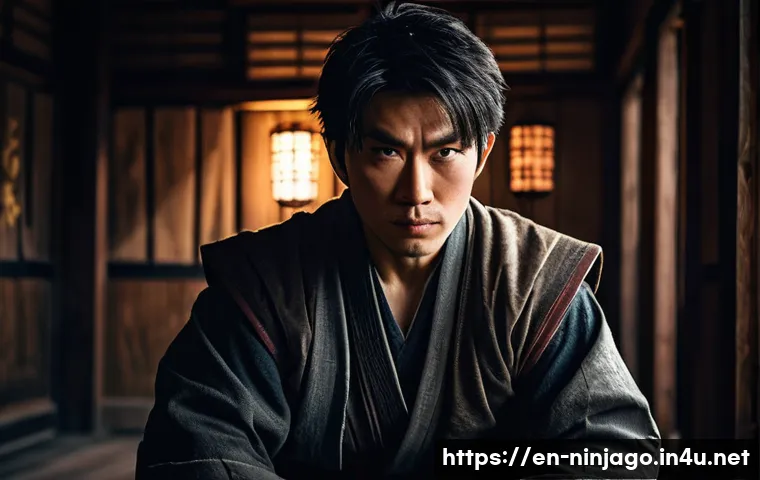
Understanding their origins adds depth to their roles and challenges the simple good-versus-evil narrative. As fans, uncovering these tragic stories not only enriches our appreciation but also sparks empathy for characters we might otherwise dismiss.
Ready to dive into the hidden tales behind Ninjago’s most notorious villains? Let’s explore their complex pasts in detail!
The Seeds of Darkness: How Pain Forged the Villains
Broken Bonds and Betrayal
Many of Ninjago’s villains didn’t start out seeking evil; instead, they were shaped by fractured relationships and betrayals that cut deep. Take, for example, a character who once trusted friends or family only to be cast aside or misunderstood.
These emotional wounds often fueled their descent into darkness. I remember watching one episode where a villain’s heartbreak was so palpable it almost made me root for them despite their cruel actions.
It’s that complex mix of vulnerability and anger that makes these characters feel real and relatable. Their stories remind us that sometimes, villains aren’t born but made through pain and broken trust.
Loss as a Catalyst for Revenge
Loss is a powerful motivator in any story, and Ninjago’s antagonists are no exception. Losing a loved one or a cherished place can twist a person’s sense of justice and drive them to seek vengeance at any cost.
I noticed that many villains channel their grief into destructive actions, convinced that the world owes them retribution. It’s a harsh reminder of how grief, when left unchecked, can corrupt even the most well-meaning individuals.
Watching these villains struggle with their losses adds a layer of tragedy that deepens the narrative beyond a simple fight between good and evil.
The Burden of Expectations and Identity
Some villains in Ninjago grapple with overwhelming expectations or a fractured sense of self. Whether it’s living up to a family legacy or battling internal conflicts about their place in the world, these pressures can push them toward dark choices.
I find it fascinating how these internal battles play out, often making the villains’ actions feel less like pure malice and more like desperate attempts to claim identity or purpose.
This makes their journeys feel intensely human — flawed, painful, and sometimes heartbreaking.
The Role of Twisted Justice and Moral Gray Areas
Villains Who Believe They Are Heroes
One of the most compelling aspects of Ninjago villains is their conviction that they are fighting for a just cause. They often see themselves as heroes in their own stories, battling what they perceive as corruption or injustice.
I’ve seen this firsthand in how certain villains articulate their motives — they don’t view themselves as evil but as necessary forces of change. This moral ambiguity challenges viewers to question the black-and-white nature of good versus evil, adding intellectual depth to the show’s conflicts.
When Rules and Laws Become Chains
Some antagonists rebel not because they want chaos but because they feel trapped by rigid laws or unfair systems. Their defiance is a cry for freedom from what they perceive as oppression.
This perspective gave me a new appreciation for how rules, when enforced without compassion, can create enemies rather than protectors. It’s a subtle but powerful commentary on authority and the consequences of absolute control, reflected through the villains’ struggles.
The Fine Line Between Protector and Destroyer
A recurring theme is how some villains start as protectors of their people or ideals but become consumed by the means they use. Their initial intentions might be noble, but the methods they adopt blur the line between heroism and villainy.
I find this complexity fascinating because it reflects real-world dilemmas — how far is too far when defending what you believe in? It’s this tension that makes these characters memorable and morally compelling.
Childhood Shadows: Early Traumas That Define Fate
Abandonment and Loneliness
Many villains in Ninjago have childhoods marked by abandonment or isolation, which sows deep emotional scars. Experiencing neglect or being left behind can warp their worldview, leading to mistrust and bitterness.
I’ve noticed that these early traumas often explain their hardened exteriors and ruthless behavior. It’s heartbreaking yet enlightening to see how formative years influence their adult choices, reminding us that understanding someone’s past is key to understanding their present.
Lost Innocence and Forced Responsibility
Growing up too fast or being forced into harsh roles prematurely is another tragic element in these villains’ backstories. Some were burdened with responsibilities no child should bear, robbing them of innocence and shaping a hardened resolve.
This premature loss of childhood sweetness often translates into a hardened, sometimes cynical outlook on life. I can’t help but feel a pang of sympathy knowing that their villainous paths might have been avoidable under kinder circumstances.
Training and Manipulation from a Young Age
Certain villains were shaped by intense training or manipulation during their youth, often by figures they trusted. This grooming for power or control sometimes warped their moral compass, blurring right and wrong.
I recall one story where a mentor’s betrayal was the turning point, highlighting how influence during formative years can make or break someone’s character.
It’s a chilling reminder of how vulnerable young minds can be to external forces.
Complex Motivations Behind Notorious Acts
Seeking Recognition and Respect
For some villains, their dark deeds stem from a desperate desire for recognition or respect they never received. Feeling invisible or undervalued can breed resentment that fuels their actions.
I’ve seen this reflected in how these characters crave acknowledgment, even if it means resorting to fear or domination. It’s a sad but relatable motivation that adds emotional layers to their villainy, making them more than just obstacles to the heroes.
Protecting What They Hold Dear at Any Cost
Sometimes, villainous acts are committed with the intent of protecting something precious — a person, a culture, or an ideal. This protective instinct, while understandable, often spirals into harmful extremes.
I find these stories compelling because they show how love and loyalty can be twisted into justification for violence, underscoring the complexity of human emotion and moral decision-making.
Desperation Born from Isolation
Isolation, whether physical or emotional, can drive villains to extreme measures out of desperation. Feeling cut off from support or understanding can push someone to act out in ways that seem irrational but make sense within their lonely context.
I’ve noticed that this theme evokes empathy, as loneliness is a universal human experience, even if the actions that follow are not.
The Impact of Redemption and Forgiveness
Moments of Doubt and Self-Reflection
Even the darkest villains in Ninjago have moments where doubt creeps in, revealing cracks in their hardened personas. These glimpses of vulnerability and self-reflection make their characters dynamic and relatable.
I remember thinking how these moments add tension and hope to the storyline — that maybe change is possible, no matter how deep the darkness.
The Role of Forgiveness in Breaking the Cycle
Forgiveness, both given and received, plays a crucial role in the potential redemption of these villains. When characters are shown mercy or understanding, it often opens a path away from destruction.
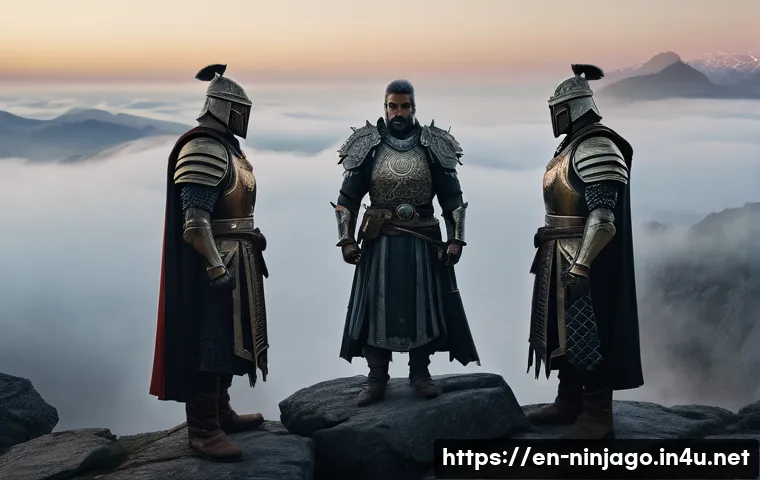
This theme resonates deeply with me because it highlights the power of compassion in healing wounds that fuel hatred. It’s a hopeful reminder that no one is beyond saving.
Challenges and Setbacks in the Road to Redemption
Redemption is rarely a straight path. Villains who seek to change often face internal struggles and external opposition. These setbacks make their journeys more realistic and emotionally gripping.
I appreciate how Ninjago doesn’t shy away from showing that transformation takes time and effort, reinforcing the idea that forgiveness and growth are complex processes.
Villainous Relationships: Alliances and Rivalries
Friendships Twisted by Ambition
Many villainous alliances in Ninjago are built on shaky grounds, often driven by ambition rather than genuine loyalty. These relationships can quickly sour, leading to betrayals that deepen the tragedy.
Watching these dynamics unfold reminded me of real-life friendships strained by competition or mistrust, adding a relatable layer to the drama.
Rivalries Fueled by Shared Histories
Some villains and heroes share intertwined pasts, with rivalries rooted in old wounds or conflicting ideals. These shared histories add emotional weight to their confrontations.
I found that understanding these backstories made battles more meaningful — it’s not just about fighting but about unresolved pain and personal stakes.
The Influence of Mentors and Betrayal
Mentors often play pivotal roles in shaping villains, sometimes guiding them toward darkness or abandoning them when they need support most. The betrayal by a trusted figure can be a catalyst for villainy.
Reflecting on these mentor-mentee dynamics highlights the importance of guidance and trust in shaping character, making the villains’ stories all the more poignant.
| Villain | Key Traumatic Event | Motivation | Notable Outcome |
|---|---|---|---|
| Lord Garmadon | Separation from family and exposure to dark power | Struggle between good and evil within himself | Repeated attempts to conquer Ninjago, yet moments of redemption |
| Harumi (The Quiet One) | Loss of family and betrayal by those she trusted | Desire for revenge against the royal family | Mastermind behind the Sons of Garmadon |
| General Cryptor | Created as a weapon, lacks personal identity | Searching for purpose beyond programming | Conflict between loyalty to creators and self-awareness |
| Morro | Jealousy and rivalry with Sensei Wu | Quest for power and recognition as the Master of Wind | Turned into a vengeful ghost, antagonizing the ninja |
| Pythor P. Chumsworth | Manipulation and survival instincts | Seeking dominance over Serpentine tribes | Repeated betrayals and attempts to seize power |
The Consequences of Power and Corruption
The Corrupting Influence of Dark Energy
Power, especially of a dark or forbidden kind, often corrupts Ninjago villains, amplifying their worst traits. I’ve noticed that once characters tap into such power, it’s a slippery slope from control to obsession.
This transformation serves as a cautionary tale about how unchecked power can consume even those with good intentions.
Loss of Humanity Through Obsession
Obsession with revenge, power, or control often leads villains to lose touch with their humanity. This loss is portrayed through their increasingly ruthless actions and alienation from others.
I find this tragic because it shows how fixation on a single goal can erode empathy and connection, turning people into shadows of themselves.
The Price of Ambition on Personal Relationships
Ambition frequently comes at the cost of personal relationships for these villains. Whether it’s forsaking friends, family, or former allies, their drive often isolates them further.
Watching these sacrifices made me reflect on how ambition, while motivating, can also be deeply lonely and destructive.
Legacy and the Cycle of Villainy
Inherited Burdens and Family Legacies
Some villains inherit their darkness through family legacies, carrying burdens passed down through generations. These inherited conflicts create a sense of inevitability about their paths.
I find these stories compelling because they explore themes of fate versus free will, questioning whether one can break free from the shadows cast by their ancestors.
The Repetition of Past Mistakes
The cycle of villainy in Ninjago often repeats, with new antagonists echoing the mistakes of their predecessors. This repetition highlights the difficulty of breaking free from destructive patterns.
It’s a sobering reminder that history can trap individuals unless they consciously choose change.
Hope for Breaking the Cycle
Despite the heavy weight of legacy, there are glimmers of hope that the cycle can be broken. Characters who seek redemption or new paths offer a vision of change.
I appreciate how Ninjago balances darkness with this hopeful outlook, encouraging viewers to believe in the possibility of transformation and healing.
글을 마치며
Exploring the roots of Ninjago’s villains reveals a rich tapestry of pain, loss, and complex motivations that shape their dark paths. Understanding their stories adds depth to their characters and challenges the simple idea of good versus evil. It’s a reminder that behind every villain lies a human struggle, making their journeys all the more compelling and relatable.
알아두면 쓸모 있는 정보
1. Many villains are driven by personal traumas such as betrayal, loss, and abandonment, which influence their choices and actions.
2. Moral ambiguity plays a significant role in Ninjago, with villains often believing their cause is just, blurring the line between heroism and villainy.
3. Early life experiences, including manipulation and forced responsibility, often set the foundation for a character’s descent into darkness.
4. Redemption arcs in Ninjago highlight that change is possible, though the journey is complex and fraught with setbacks.
5. The cycle of villainy often involves inherited burdens and repeated mistakes, yet hope remains through characters seeking forgiveness and transformation.
중요 사항 정리
Understanding villains requires looking beyond their actions to the emotional and psychological forces shaping them. Trauma, loss, and broken relationships frequently serve as catalysts for their behavior. The show emphasizes moral complexity, showing that villains often see themselves as heroes fighting for what they believe is right. Redemption and forgiveness are key themes, illustrating that even the darkest characters can change, although the process is challenging and realistic. Ultimately, Ninjago’s storytelling reminds us of the power of empathy and the possibility of breaking cycles of pain and conflict.
Frequently Asked Questions (FAQ) 📖
Q: Why do Ninjago villains often have tragic backstories?
A: Many Ninjago villains are written with tragic backstories to add depth and complexity to their characters. These stories show that their evil actions often stem from pain, loss, or misguided attempts at justice rather than pure malice.
This approach challenges the simple good-versus-evil trope, making the villains more relatable and their motivations more understandable, which enhances the overall storytelling experience.
Q: How do the tragic pasts of villains affect the way fans perceive them?
A: When fans learn about the hardships and struggles that shaped a villain’s path, it often sparks empathy and a more nuanced view of these characters. Instead of seeing them as just antagonists, fans can appreciate their complexity and even sympathize with their choices.
This emotional connection makes the narrative richer and encourages viewers to think critically about morality and redemption.
Q: Can understanding a villain’s origin story change the way we interpret the Ninjago series?
A: Absolutely. Knowing the origins of villains helps transform the series from a straightforward battle between good and evil into a layered tale about human nature, consequences, and growth.
It reveals that even those who oppose the heroes have their reasons, often rooted in relatable experiences. This deeper insight makes the story more engaging and thought-provoking for audiences of all ages.