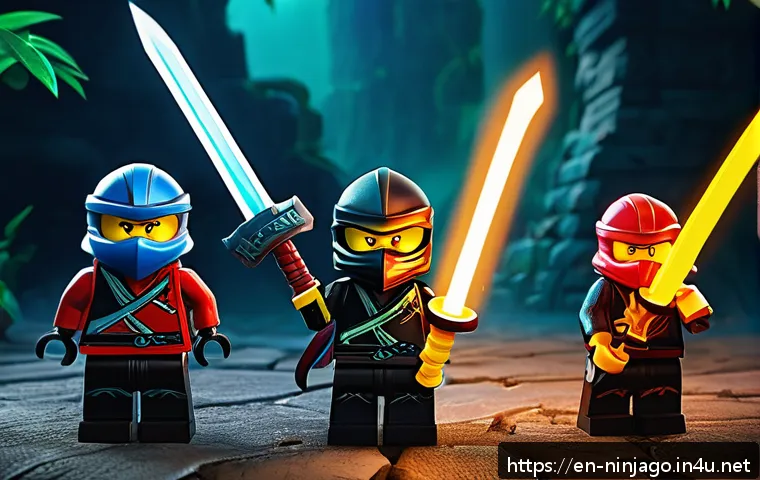
Choose animated NINJAGO episodes for easy, story-first viewing, and choose a NINJAGO video game for hands-on action, puzzles, and repeatable challenges.
The better option depends less on the franchise and more on your child’s attention span, available devices, screen-time rules, and interest in playing rather than watching.
Episodes are usually simpler to start because they need less equipment and parent setup. A game can offer more replay value, especially when it includes collectibles, optional objectives, or cooperative play.
Before purchasing a game, confirm the platform, age rating, edition, storage needs, and multiplayer details. For many families, watching first and choosing a game later is the most practical way to see what type of NINJAGO experience fits best.
At a Glance
- Choose animated NINJAGO episodes for guided stories, character moments, and simple family viewing.
- Choose NINJAGO video games for player control, exploration, puzzles, combat, and repeatable goals.
- Before spending on a game, check platform compatibility, age rating, edition, storage, and multiplayer options.
| Decision Factor | Animated NINJAGO Content | NINJAGO Video Games |
|---|---|---|
| Main experience | Passive viewing with episodes, story arcs, and character development. | Interactive play with levels, objectives, puzzles, exploration, and enemies. |
| Equipment needed | A suitable screen and access to the program. | A compatible console, handheld, or PC, plus possible storage, accounts, and controllers. |
| Replay value | Often depends on whether the viewer wants to revisit favorite episodes. | Can be higher when a title includes collectibles, optional missions, co-op, or challenge-based play. |
| Multiplayer | Family members can watch together. | Varies by game title, edition, and device. |
| Screen-time control | Episodes provide a natural stopping point. | May need clearer time limits because objectives can continue from one level to another. |
| Parent involvement | Usually lower after selecting an episode. | May include setup, rating checks, account settings, controller help, and online-feature review. |
The Quick Answer: Storytelling on Screen vs. Hands-On Ninja Play
The biggest difference is simple: animated NINJAGO content tells a story to the viewer, while a NINJAGO game asks the player to take part in the action. Neither is automatically better. The right choice depends on whether the child wants to follow the ninja characters through a guided story or control characters inside a game world.
Choose animated episodes for guided stories and easy family viewing
Animated episodes are a strong fit for children who enjoy characters, humor, dragons, vehicles, fantasy settings, and ongoing story arcs. The pace is set by the program, so viewers do not need to learn controls, solve a puzzle, or complete an objective before the story moves forward.
This can be especially useful for a family movie night or a shorter entertainment break. An episode also gives parents a clearer stopping point than an open-ended game session. Still, do not assume every season or program has the same content suitability. Check the program information for the specific title you plan to watch.
Choose games for player control, puzzles, action, and repeatable challenges
A NINJAGO video game is better suited to players who want to do something with the characters rather than only watch them. Games typically involve exploring levels, fighting enemies, completing objectives, solving puzzles, and progressing through challenges. That active format can feel more personal because the player decides where to go, what to collect, and how to approach a task.
Games can also provide a reason to return after the main story or primary objectives are complete. Collectibles, optional missions, cooperative play, and difficulty-based challenges may add replay value. These features are not identical across every title, however, so review the individual game listing before buying.
When enjoying both makes more sense than choosing only one
For many NINJAGO fans, the best answer is not an either-or choice. A child may enjoy watching episodes to learn about the characters and then prefer a game for active LEGO-style play. The series can provide a lower-setup introduction to the franchise, while a game may become a birthday or holiday gift once you know the child enjoys the theme.
If you are unsure, start with the option that requires less commitment. Viewing may be the easier first step when device access, controller availability, or gaming habits are still unclear.
What Changes Between Watching and Playing?
Watching and gaming may both involve NINJAGO characters and fantasy worlds, but they ask for different kinds of attention. The key question is whether your household wants a structured story experience or an interactive challenge experience.
Narrative pace, character focus, and how much control the audience has
In animation, the episode decides the timing. Viewers follow the story arc, see character development unfold, and move through the action at the program’s pace. This is often appealing to fans who care most about personalities, humor, alliances, and what happens next.
In a game, the player has more control over the moment-to-moment experience. A player may spend extra time exploring, retrying a section, looking for items, or working out a puzzle. That freedom can be rewarding, but it can also make the experience slower for a child who only wants to see the next story event.
Gameplay loops: exploration, combat, puzzles, collectibles, and progression
Most NINJAGO games are built around gameplay loops rather than episode-style viewing. Players typically move through levels, face enemies, solve puzzles, search for collectibles, and complete objectives. Progress may depend on learning controls and trying again after a missed jump, unfinished task, or difficult encounter.
This structure gives a game a different kind of value. Instead of finishing an episode and moving on, a player may revisit a level to find something missed or attempt a challenge in another way. Before treating that as a guaranteed benefit, look at the title’s product details to see which gameplay features are actually included.
Attention span and screen-time differences for younger viewers
Episodes can make screen-time planning easier because they have a defined beginning and end. A parent can decide whether one episode fits the day’s schedule without needing to interrupt a task halfway through.
Games may need a more specific family rule, such as stopping after a level, at a natural save point, or after a set play period. This does not make gaming a poor choice. It simply means active play can be harder to pause when a child is close to completing an objective. Clear expectations before play begins can reduce frustration.
Compare Value Before Spending on a Game
A NINJAGO game is not only a choice between “fun” and “not fun.” It is also a purchase decision involving hardware, format, player habits, and possible long-term use. Compare the complete setup rather than focusing only on the game title.
Upfront purchase cost versus access through an existing game subscription
A game may be purchased as a physical copy or digital download, and availability can change over time. Some households also check whether a title is available through a game subscription they already use. That can be worth checking, but inclusion is not permanent and should be confirmed at the time of decision.
When comparing options, consider what you already own. If the household has no compatible console, handheld, or PC, a game may require more than the game itself. If you already have a suitable device and controller access, the decision may be simpler. Check current store information rather than relying on an older listing or gift guide.
Replay value, co-op play, and whether one title can suit multiple family members
A game may offer stronger long-term value when more than one person can enjoy it. Cooperative play can make a NINJAGO game appealing for siblings or family members who want to solve puzzles and complete objectives together. But multiplayer availability varies by title, edition, and device.
Do not purchase a game based on an assumption that it supports local co-op, online play, or multiple players. Check the game’s official description and the platform store page for the exact version. Also consider whether the players enjoy taking turns. A single-player game can still work well for a family, but it creates a different shared experience.
Physical copy or digital download: convenience, resale, storage, and account considerations
A physical copy can be easy to wrap as a gift and may be convenient for households that prefer a tangible game case. A digital download avoids handling a disc or cartridge, but it may require available storage space and the correct account setup. These practical differences can matter more than they first appear.
Before choosing a format, ask who will use the game, which account will access it, and whether the device has enough available storage. For physical copies, confirm that the disc or cartridge matches the household’s platform. For digital purchases, make sure you are buying from the correct platform store.
Common Buying Mistakes Parents and Gift Buyers Can Avoid
The most expensive mistake is often not choosing the “wrong” NINJAGO game. It is buying a version that cannot be used, does not match the player’s needs, or lacks an expected feature. A short check before checkout can prevent that problem.
Buying a version that does not work on the household’s console or PC

NINJAGO games have been released for different console, handheld, and PC platforms. A title name alone is not enough. Check the exact platform listed on the product page, game case, or digital storefront.
For PC purchases, confirm the game’s compatibility information before buying. For console and handheld purchases, verify that the version matches the device in the home. If the game is a gift, discreetly confirm the recipient’s system first.
Confusing a movie tie-in game with the ongoing animated series
The NINJAGO franchise includes animated content and games that may be connected to different parts of the wider theme. A game may not be a direct replacement for an ongoing animated series, and a child who loves one story format may not automatically want the other.
Read the game description to understand what it is based on and what type of experience it offers. If the child mainly talks about favorite episodes or story arcs, animation may be the safer first choice. If they talk about controlling characters, building a team, or solving game challenges, a video game may fit better.
Skipping age ratings, content descriptors, controller needs, and online settings
Do not assume age suitability from the LEGO NINJAGO name alone. Check the age rating and content description for the exact game or program. These details can differ between titles and regions.
Also review controller needs, player requirements, downloadable content, and online settings where applicable. A child may be interested in multiplayer, but that feature may not be offered in the edition or on the device you are considering. This is a useful point to confirm before making a digital purchase, since availability and purchase conditions can vary.
Which Option Fits Different NINJAGO Fans?
The simplest way to choose is to begin with the child’s usual entertainment style. Interest in NINJAGO is only one part of the decision; how they prefer to spend screen time is equally important.
For children who mainly enjoy characters, humor, and ongoing stories
Animated episodes are generally the better match for story-first fans. They can follow the ninja characters, fantasy worlds, dragons, vehicles, and story arcs without needing gaming skills or extra equipment. This is also a practical option when you want an activity that is easy to start and easy to stop.
For a lower-commitment choice, begin by checking the available animated content and selecting a suitable program for the viewer. It may be enough for a child who prefers watching over playing.
For players who like LEGO-style puzzles and cooperative gaming
A NINJAGO game may be the stronger option for a child who enjoys active problem-solving. Exploration, objectives, combat, puzzles, and collectibles create a more involved experience than watching an episode. A game can be especially appealing when the player enjoys revisiting levels or sharing play with another person.
However, verify co-op details instead of assuming them. Look for the multiplayer information, controller requirements, and supported device details on the exact game page before you buy.
For families choosing a birthday gift or a lower-commitment entertainment option
For a birthday gift, a game can feel substantial if you have already confirmed the recipient’s platform and interests. A physical-versus-digital decision should be based on the family’s device setup and purchasing preferences, not only on convenience.
For a lower-commitment option, animated viewing is usually easier because it requires less setup. It can also help parents see whether the child is interested in the NINJAGO world before committing to a game purchase.
Selection Criteria and Comparison Summary
Choose animated content when the priority is story, easy setup, family viewing, and clear episode-based stopping points. Choose a video game when the player wants control, puzzles, action, exploration, and the possibility of replaying challenges. Before a game purchase, check the device, the age rating, the edition, multiplayer availability, storage needs, and whether the physical or digital format makes sense for your household.
Compare the current platform listing and product details before checkout. The official product page or relevant store page is the best place to confirm compatibility, available features, and current purchase conditions.
Final Thoughts
There is no single best NINJAGO format for every child. Animated episodes are usually the straightforward choice for fans who want to follow stories and characters with minimal setup. Video games can offer a more active experience, with puzzles, objectives, and potential replay value.
The most useful question is not “Which one is better?” but “How does this child like to enjoy NINJAGO?” Once you know that, the choice becomes much easier.
Helpful Things to Know
1. A game title may be available on some devices but not others.
2. Multiplayer and online features can differ by edition and platform.
3. Digital availability, subscription inclusion, and pricing can change.
4. A game’s age rating should be checked individually, even within a familiar franchise.
5. Collectibles, optional missions, and co-op features may affect replay value.
Important Notes
Specific NINJAGO show seasons and game titles can differ in content, features, availability, and suitability. Do not assume a game works on every console, handheld, or PC. Confirm the current platform requirements, age rating, content description, storage needs, and multiplayer details before purchasing. Current prices and digital-store conditions should also be checked at the time you make a decision.
Frequently Asked Questions
Q1. Is a LEGO NINJAGO game better than watching the animated series for kids?
A1. It depends on the child. Animated content is often better for children who prefer guided stories, characters, and easy viewing. A game may be better for players who enjoy controlling characters, solving puzzles, exploring levels, and repeating challenges.
Q2. What should parents check before buying a NINJAGO video game?
A2. Check the compatible platform, age rating, content description, game edition, storage needs, controller access, and multiplayer or online details. Also decide whether a physical copy or digital download fits the household’s setup.
Q3. Are NINJAGO games suitable for cooperative family play?
A3. Some games may include cooperative or multiplayer options, but this varies by title, edition, and device. Review the exact game listing to confirm whether co-op is supported and what equipment or settings may be needed.