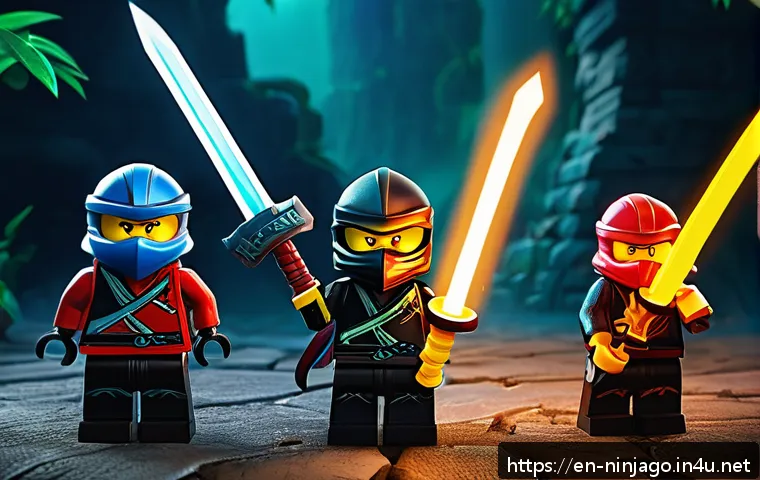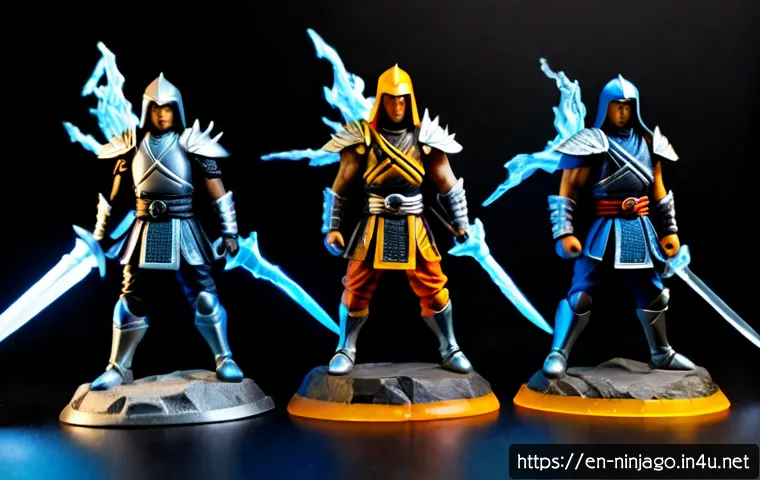
Lloyd is often the broadest all-around NINJAGO pick because Energy, leadership, and central story roles give him a strong overall case. However, there is no single permanent ranking: Kai, Jay, Cole, Zane, and Nya can be the better choice when the test is elemental output, combat style, teamwork, or a specific story era.
The most useful way to compare characters is to separate base abilities from temporary transformations and special-event boosts. That same approach helps when choosing a LEGO NINJAGO set, collectible minifigure, display model, or gift.
A powerful character is not automatically the best set choice if the vehicle, dragon, mech, figure selection, age range, or availability does not match the buyer.
Start with the character you enjoy, then compare the version and product features carefully.
At a Glance
- Lloyd is often the strongest all-around choice, but the answer changes by era and comparison rule.
- Elemental power, combat skill, leadership, and peak forms should be judged separately.
- For LEGO NINJAGO sets and minifigures, choose by character preference and product features, not power level alone.
| Comparison Factor | What to Look At | Why It Matters for Fans and Buyers |
|---|---|---|
| Elemental Ability | Energy for Lloyd; the distinct elemental associations of Kai, Jay, Cole, Zane, and Nya | Useful when picking a favorite ninja or building an elemental-themed team lineup. |
| Combat Skill | Training, weapon mastery, experience, and matchup conditions | A character can perform very well in a fight without having the largest raw power display. |
| Leadership and Team Value | Strategy, reliability, teamwork, and decision-making under pressure | Important for judging an all-around character rather than a single battle moment. |
| Peak Form | Transformations, upgraded states, and story-specific boosts | Great for discussing memorable versions, but not a fair permanent ranking by itself. |
| LEGO Product Fit | Minifigure inclusion, vehicle, dragon, mech, dojo, display appeal, and age range | Helps parents, fans, and collectors compare a set beyond which character seems strongest. |
The Short Answer: Power Depends on the Version and the Test
If the question is, “Who is the strongest NINJAGO character overall?” Lloyd is usually the broadest answer. He is associated with Energy and holds a central leadership role in many story arcs. That combination makes him a strong choice when leadership, versatility, and story importance are part of the test.
Still, “strongest” can mean several different things. A fan may mean the highest elemental output. Another may mean the best fighter in a close matchup. A parent buying a gift may simply mean the character their child recognizes and enjoys most. Those are different decisions, so they should not produce one automatic winner.
Quick Ranking Framework for All-Around Strength, Elemental Output, and Combat Skill
A practical ranking uses separate categories instead of one oversized power number:
- All-around strength: elemental ability, combat capability, leadership, and adaptability.
- Elemental output: the character’s power association and how strongly it matters in a given version.
- Combat skill: training, weapon use, timing, preparation, and the opponent involved.
- Team value: strategy, reliability, support, and the ability to work with other ninja.
Under this framework, Lloyd is a sensible all-around contender, while Kai, Jay, Cole, Zane, and Nya remain strong picks for fans who value a specific elemental identity or fighting style.
Why Peak Forms Should Not Be Treated as Permanent Power Levels
Characters can change substantially across seasons, training stages, transformations, and special events. A peak form can be exciting, iconic, and important to a favorite scene, but it should not automatically be treated as the character’s everyday baseline.
When comparing two characters, ask a simple question: Are both being judged in comparable versions? If one character is using a temporary upgrade while the other is judged in base form, the result may be entertaining but not especially fair.
How to Compare NINJAGO Characters Fairly
The fairest rankings name the version first and the category second. This avoids turning a favorite moment into a permanent rule. It also makes a comparison more useful for choosing a minifigure, a team set, or a character-focused gift.
Elemental Abilities Versus Training and Weapon Mastery
Elemental ability is only one part of power. Lloyd is associated with Energy, while Kai, Jay, Cole, Zane, and Nya are associated with their own elemental powers. Those associations help define each ninja, but they do not settle every matchup on their own.
Training and weapon mastery matter because battles have conditions. Space, preparation, team support, and the opponent’s approach can all change the result. A character with a less dramatic power display may still be highly effective in the right situation.
For LEGO NINJAGO fans, this is also why a character’s vehicle or mech should not be confused with personal ability. A model may make a character look more powerful in play, but it is still a separate feature of the set.
Leadership, Strategy, Teamwork, and Reliability Under Pressure
Leadership is easy to overlook in power rankings. Lloyd’s central leadership role gives him value that does not always appear in a one-on-one elemental comparison. Planning, keeping a team focused, and making decisions under pressure can change the outcome of a larger conflict.
Teamwork matters for every ninja. A ranking based only on solo power can miss what makes the group effective. If your favorite scenes involve the full team, a LEGO set with multiple minifigures may feel more satisfying than a single-character model, even if the single character ranks higher in a personal power debate.
Base Form, Upgraded Form, and Story-Specific Power Boosts
Use clear labels when discussing versions:
- Base form: the character’s regular abilities for the version being discussed.
- Upgraded form: a stronger state linked to training, equipment, or a transformation.
- Story-specific boost: a temporary advantage connected to a special event or situation.
This wording keeps a ranking honest. It is fine to say that a peak version has a higher ceiling than a base version. It is less reliable to claim that the boost is always available or permanently defines the character.
Character Strength Tiers by Role and Ability
These tiers are best treated as a discussion tool, not an official permanent ladder. NINJAGO does not provide one fixed power-level ranking that settles every character, season, and transformation.
Top All-Around Contenders: Lloyd and Major High-Power Forms
Lloyd belongs near the top of an all-around discussion because he combines an Energy association with a central leadership role in many arcs. For fans who want one character that represents broad importance, team leadership, and strong overall potential, he is often the simplest choice.
Major high-power forms can move a character upward for a particular story period. The important caution is that those forms should be named and compared with equivalent versions. A peak version may be the right choice for a display collection or a favorite-scene purchase, but it does not create a permanent answer for every era.
Elemental Specialists: Kai, Jay, Cole, Zane, and Nya
Kai, Jay, Cole, Zane, and Nya are better understood as elemental specialists with different strengths rather than as a fixed second-through-sixth list. Each is associated with an elemental identity, and each can appeal to fans for different reasons: personality, combat approach, color scheme, vehicle type, or role in a team.
For a character-first purchase, this makes selection easier. A Kai fan may value a set that emphasizes Kai’s minifigure and action features. A Jay, Cole, Zane, or Nya fan may prefer a model that gives their chosen ninja a clear role rather than treating the figure as a small extra in a larger build.
When comparing their power, identify the exact story era and whether the discussion is about raw elemental ability, a direct fight, or team usefulness. Without those details, a confident numerical ranking would suggest more precision than the source material supports.
Skilled Allies, Mentors, Villains, and Matchup-Dependent Threats
Not every important character fits neatly into an elemental-ninja ranking. Skilled allies, mentors, and villains can become major threats depending on the situation, resources, planning, or special story conditions. Their effectiveness may also depend on whether they have access to a weapon, vehicle, ally, or temporary advantage.
That is why “Who wins?” questions should include context. A better version is: Which character has the advantage in this era, in this form, with these tools, and under these conditions? It is a more useful question for fans and prevents a ranking from ignoring the setup of the battle.
Common Ranking Mistakes Fans Should Avoid
The most common problems come from mixing versions or treating every visual advantage as personal power. A careful comparison does not make a debate less fun; it makes the reasoning clearer.
Comparing Different Seasons Without Naming the Era
Character abilities can shift across seasons, training stages, transformations, and special events. Saying “Lloyd versus Kai” is incomplete unless the versions are identified. The same applies to Jay, Cole, Zane, and Nya.
Before making a claim, add a short label such as base version, peak transformation, or story-event version. This one step prevents many unfair comparisons.
Confusing a Powerful Vehicle, Weapon, or Ally With Personal Ability
A dragon, mech, vehicle, weapon, or ally can strongly affect a battle. It can also make a LEGO NINJAGO set much more exciting. But it should be counted separately from the character’s own abilities unless the comparison specifically includes equipment.
For buyers, this distinction is practical. A set may be a great choice because it includes a dragon or mech, even if the included character is not your top-ranked fighter. Play value and character power are not the same category.
Ignoring Battle Context, Preparation, and Team Support
A direct duel, a team mission, and a surprise encounter are not the same test. Preparation, location, available tools, and team support can all affect combat effectiveness. A character’s on-screen power also may not match their best performance in every specific matchup.
Use context before declaring a winner. It keeps the ranking flexible enough to fit the story while giving fans a better way to explain their choices.
Choosing NINJAGO Sets and Minifigures by Favorite Character
A power ranking can point you toward a character, but it should not make the buying decision alone. LEGO NINJAGO products vary by set theme, vehicle, dragon, dojo, mech, minifigure selection, age range, and availability. The best choice depends on how the set will be used.
Play-Focused Choices: Vehicles, Dragons, Mechs, and Action Features
For active play, start with the features that create repeatable stories. A vehicle, dragon, mech, or action-oriented build may matter more than whether the included ninja ranks first in an all-around debate. Look for a favorite character who has a clear role in the set.
For a gift, check the recommended age range, the main play theme, and whether the featured character is actually included as a minifigure. A model centered on a favorite ninja can be a more personal choice than a larger set with only a small connection to that character.
Display-Focused Choices: Detailed Figures, Locations, and Team Lineups
For display, consider the full visual story. Detailed minifigures, recognizable locations, team lineups, and character-specific builds can be more important than battle power. A complete group of ninja may have stronger display value for a fan than a single high-power version.
Collectors should separate character strength from collectible interest. Rarity, condition, completeness, and market demand can affect resale interest, and none of those factors is guaranteed by a character’s place in a ranking.
Budget Checks: Character Inclusion, Duplicate Figures, Condition, and Availability
Before choosing a set or collectible minifigure, make a short comparison list:
- Is the desired character included in the exact version you want?
- Does the set add a vehicle, dragon, mech, dojo, or location you actually like?
- Are there duplicate figures you already own?
- If considering a pre-owned item, are the figure and accessories complete and in acceptable condition?
- Is the product currently available through a source you can verify?
Current prices, stock, retirement status, and resale values can change, so check the relevant product listing or seller details before deciding.
Selection Criteria and Comparison Summary
For the strongest all-around character: start with Lloyd, then specify the era and whether leadership and peak forms are included. For an elemental-ninja collection: choose Kai, Jay, Cole, Zane, or Nya based on the character and version you enjoy most, not a universal rank. For a child’s gift: prioritize age range, play features, and the included character. For display: compare the minifigure design, team lineup, and build theme. For collecting: check condition, completeness, availability, and demand separately from power level.
Before purchasing, review the product page for the included minifigures, build type, recommended age range, and current availability.
Final Thoughts
NINJAGO power levels are more useful when they are treated as a framework instead of a permanent scoreboard. Lloyd is a strong all-around starting point, while Kai, Jay, Cole, Zane, and Nya can stand out under different criteria. Naming the era, form, and battle conditions makes any comparison more fair. For LEGO buyers, the best set is usually the one that matches a favorite character and the intended play or display experience.
Useful Things to Know
1. A temporary transformation should be labeled as temporary in a ranking.
2. A mech, dragon, or vehicle can improve play value without proving that its pilot is personally stronger.
3. A minifigure’s collector appeal can depend on condition, completeness, rarity, and demand rather than the character’s combat ability.
4. Team sets can be a better fit for fans who enjoy group dynamics rather than one favorite ninja.
Important Notes
There is no single official, permanent power-level ranking for every NINJAGO character and season. Exact comparisons can change with transformations, training stages, special events, equipment, and story context. Current retail pricing, availability, retirement status, and resale interest should always be checked separately before buying a LEGO set or minifigure.
Frequently Asked Questions
Q1. Who is the strongest NINJAGO character overall?
A1. Lloyd is often the broadest all-around pick because he is associated with Energy and has a central leadership role in many story arcs. However, there is no fixed official ranking for every season, form, or matchup, so the answer changes when the comparison focuses on a specific era or temporary power boost.
Q2. Is Lloyd stronger than Kai, Jay, Cole, Zane, and Nya in every season?
A2. Not necessarily. Character abilities can change across seasons, transformations, training stages, and special events. Lloyd may be the strongest general all-around choice, but Kai, Jay, Cole, Zane, and Nya can be stronger fits for a particular elemental, combat, or team-based comparison.
Q3. What should I check before buying a NINJAGO LEGO set for a child or collector?
A3. Check whether the favorite character is included, what type of build is offered, the recommended age range, the play or display purpose, and the current availability. For collectible minifigures, also check condition, completeness, duplicate figures, and whether collector interest is based on rarity and demand rather than character strength alone.